
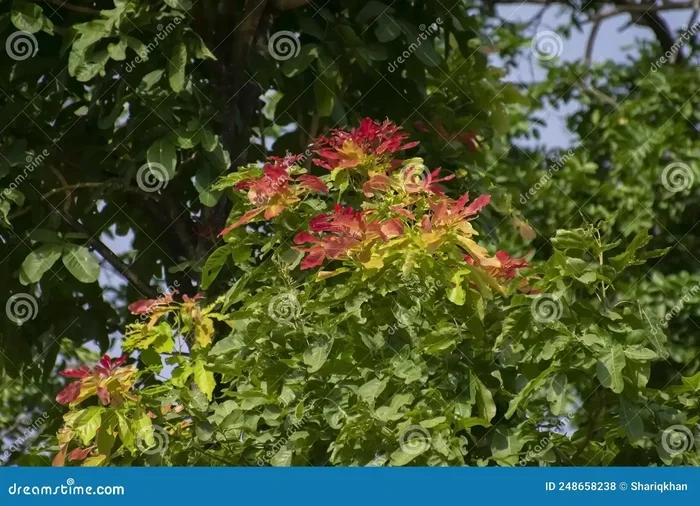
The Kusum tree is a fantastic choice for gardeners who want a low-maintenance plant with many uses. This guide covers growing tips, health benefits, and practical ways to include it in your garden. You will learn how to care for it and why it stands out among other trees. Read on to discover how the Kusum can transform your outdoor space.
Welcome to your complete guide on the Kusum tree. If you are looking for a plant that is easy to grow and useful, you are in the right place. Many gardeners love this tree because it does not demand much attention. It also offers many benefits that go beyond just looks.
In this guide, we will walk through everything you need to know. We will talk about growing tips, uses, and how to care for it. You will see why the Kusum is a smart pick for your garden. Let us dive right into the details.
Key Takeaways
- Low Maintenance: The Kusum tree needs very little water once it is established.
- Soil Health: This plant helps improve soil quality and prevents erosion.
- Versatile Uses: You can use parts of the Kusum for medicine and crafts.
- Garden Beauty: Its unique leaves and flowers add visual interest to any landscape.
- Easy Growing: Growing tips show that it thrives in many soil types.
- Eco-Friendly: Planting a Kusum tree supports local wildlife and bees.
- Long Lifespan: With proper care, this tree can last for many years.
📑 Table of Contents
What Makes the Kusum Tree Special
The Kusum tree is known for its hardiness. It can survive in tough conditions where other plants might fail. This makes it a top choice for new gardeners or busy people. You do not need a green thumb to keep it alive.
Unique Features of the Kusum
One of the first things you notice is the bark. It has a smooth texture that changes over time. The leaves are also distinct. They provide good shade without blocking all the light. This helps other plants grow near the Kusum tree.
The flowers are another highlight. They bloom in season and add a soft touch to your landscape. Many people plant the Kusum just for this visual appeal. But there is more to it than beauty.
Why Choose Kusum Over Other Trees
Some trees need heavy watering or special soil. The Kusum does not have these strict needs. It adapts well to different environments. This flexibility is a major plus for home garden owners.
You also save time on care. Less pruning and less watering mean more free time for you. Compare this to high-maintenance plants that need daily checks. The Kusum tree fits a relaxed gardening style.
Top Benefits of Planting Kusum in Your Garden
There are many benefits to adding this tree to your space. It helps the environment and your garden health. Let us look at the key advantages.

Visual guide about Kusum tree garden close-up
Image source: c8.alamy.com
Soil Improvement and Erosion Control
The roots of the Kusum go deep into the ground. This helps hold the soil in place. It stops erosion on slopes or bare spots. The roots also break up hard soil, which helps other plants grow better.
Over time, the soil quality improves. Leaves fall and decompose, adding nutrients back to the earth. This natural process reduces the need for chemical fertilizers. Your garden becomes healthier without extra work.
Supports Local Wildlife
Bees and birds love the Kusum tree. The flowers provide nectar for pollinators. This helps boost the ecosystem in your area. You may see more butterflies and bees visiting your garden.
Birds also use the branches for shelter. They may nest in the Kusum during the breeding season. This brings life and sound to your outdoor space. It is a great way to support nature at home.
Low Water Needs
Water is a precious resource. The Kusum does not need much of it. Once the tree is established, it can handle dry spells. This makes it ideal for areas with water limits or dry climates.
You save money on your water bill too. Less irrigation means lower costs. This is a practical benefit for long-term garden planning. You get a green plant without high upkeep.
Practical Uses of the Kusum Tree
The Kusum tree is not just for show. It has many practical uses that people value. From home remedies to craft materials, this plant offers a lot.
Traditional and Home Uses
In some cultures, parts of the Kusum are used for simple remedies. People use leaves or bark for minor skin issues. These traditional uses have been passed down for years. Always check with a professional before trying any home remedy.
The wood is also useful. It is hard and durable. Some people use fallen branches for small craft projects. You can make simple tools or decorative items from the Kusum wood.
Garden and Landscape Uses
You can use the Kusum tree as a shade provider. Place it near seating areas to cool down your garden. It also works well as a boundary marker. Plant a row of Kusum trees to define your property line.
The plant can act as a windbreak too. Its branches slow down strong winds. This protects more fragile plants in your garden. It is a smart way to organize your outdoor space.
Compost and Mulch Material
Fallen leaves from the Kusum make great mulch. Spread them around other plants to keep moisture in. They also break down into compost over time. This adds organic matter to your soil naturally.
Using leaf litter reduces waste. You do not need to buy bagged mulch. The Kusum tree gives you free garden material. This is a simple way to save money and resources.
Growing Tips for a Healthy Kusum Tree
Now let us talk about growing tips. These steps will help your Kusum thrive. Follow this advice for a strong and healthy tree.
Choosing the Right Spot
Pick a sunny location for your Kusum tree. It likes light but can handle some shade. Make sure the spot has room for the roots to spread. Do not plant it too close to buildings or pipes.
Check the soil before you dig. The Kusum grows in many soil types. It prefers well-drained ground. If your soil holds too much water, add sand or organic matter. This helps the plant avoid root rot.
Planting Steps for Success
Start with a healthy sapling from a trusted nursery. Dig a hole that is wider than the root ball. Place the Kusum in the hole and fill it with soil. Press the soil down gently to remove air pockets.
Water the tree right after planting. This helps the roots settle. Add a layer of mulch around the base. Keep the mulch a few inches away from the trunk. This prevents moisture buildup on the bark.
Watering and Feeding
Young Kusum trees need regular water. Keep the soil moist but not soggy. Once the plant is older, you can cut back on watering. It will handle dry periods better as it grows.
Feeding is simple. You do not need heavy fertilizers. A little compost in spring is enough. This gives the Kusum gentle nutrients. Too much fertilizer can hurt the roots. Less is more with this tree.
Pruning and Care
Prune the Kusum only when needed. Remove dead or broken branches first. This keeps the tree safe and healthy. You can also shape it if you want a neat look.
Do light pruning in the dormant season. This reduces stress on the plant. Use clean tools to avoid spreading disease. Wipe your shears before and after use. Good care habits keep your Kusum tree strong.
Common Mistakes to Avoid
Even easy plants can have problems if you make mistakes. Here are some common errors with the Kusum. Avoid these to keep your garden happy.
Overwatering the Kusum
Too much water is a big risk. The Kusum tree does not like wet feet. Soggy soil can cause root rot. Check the ground before you water. If it is damp, wait a few days.
Watch for yellow leaves. This can be a sign of too much water. Cut back on irrigation and let the soil dry. Your Kusum will bounce back with better care.
Planting Too Close to Structures
Roots need space to grow. If you plant the Kusum too near a wall, roots may cause issues. Give it a safe distance from buildings. This protects your foundation and pipes.
Also think about the canopy. Branches can grow wide over time. Leave room for the tree to spread. This avoids crowding in your garden later.
Ignoring Soil Drainage
Bad drainage can harm the Kusum. Water should not pool around the base. If your yard floods, fix the drainage first. You can raise the planting bed or add gravel.
Good drainage keeps the roots healthy. It also stops fungus growth. A well-drained spot is the best start for your Kusum tree. Do not skip this step.
Expert Insights for Long-Term Success
Here are some pro tips to help you get the most from your Kusum. These insights come from experienced gardeners. They focus on long-term health and ease of care.
Mulching for Moisture Retention
Mulch is your friend. A thick layer of organic mulch keeps water in the soil. It also stops weeds from growing near the Kusum tree. Use wood chips or leaf litter for best results.
Refresh the mulch each year. This keeps it effective. Make sure it does not touch the trunk. A small gap prevents bark rot. This simple step boosts tree health.
Monitoring for Pests
The Kusum is fairly pest-resistant. But you should still check it often. Look under the leaves for bugs. Early detection makes treatment easy.
If you see pests, use natural methods first. A strong spray of water can remove many bugs. Avoid harsh chemicals if you can. This keeps your garden safe for pets and kids.
Seasonal Care Tips
Each season brings different needs. In spring, check for new growth. Add a bit of compost to feed the Kusum. Summer may need extra water during heat waves.
In fall, clear fallen leaves if they pile up too thick. Winter is a good time for light pruning. These seasonal steps keep your Kusum tree in top shape. A little attention goes a long way.
Final Thoughts on the Kusum Tree
The Kusum tree is a wonderful addition to any garden. It offers benefits like soil health, wildlife support, and low water use. With simple growing tips, you can enjoy this plant for years. It is a smart and easy choice for many spaces.
Remember to plant it in a sunny spot with good drainage. Water it well at first, then let it adapt. Use mulch and check for pests now and then. These small steps make a big difference.
If you want a tree that works hard without asking for much, the Kusum is it. Add it to your landscape and watch your garden thrive. You will love the simplicity and the results.
Frequently Asked Questions
Can the Kusum tree grow in pots?
Yes, you can grow a young Kusum in a large pot. Just make sure the container has drainage holes. As the tree gets bigger, you may need to move it to the ground for best results.
How fast does the Kusum tree grow?
The Kusum tree has a moderate growth rate. It does not shoot up overnight, but it grows steadily. With good care, you will see noticeable growth each season.
Does the Kusum tree need full sun?
It prefers full sun but can handle some shade. For the best growth, give the Kusum at least six hours of light each day. Too much shade may slow down its growth.
Is the Kusum tree safe for pets?
The Kusum is generally safe around pets. Still, it is best to watch animals around any plant. If you see chewing or signs of illness, contact your vet for advice.
When is the best time to plant Kusum?
Spring or early fall is the best time to plant the Kusum tree. The weather is mild, which helps the roots settle. Avoid planting in the hottest summer months or deep winter.
Can I use Kusum leaves for compost?
Yes, Kusum leaves work well in compost. They break down and add nutrients to your soil. Mix them with other green and brown materials for a balanced compost pile.