

Dulari is a beloved term that carries deep cultural and emotional meaning across South Asian traditions. In this guide, you will learn about its origins, how it shapes language and art, and why it remains a symbol of beauty today. We break down the history, modern usage, and practical ways to appreciate its charm. Whether you are curious about words or culture, this article gives you clear insights you can use right away.
This is a comprehensive guide about Dulari.
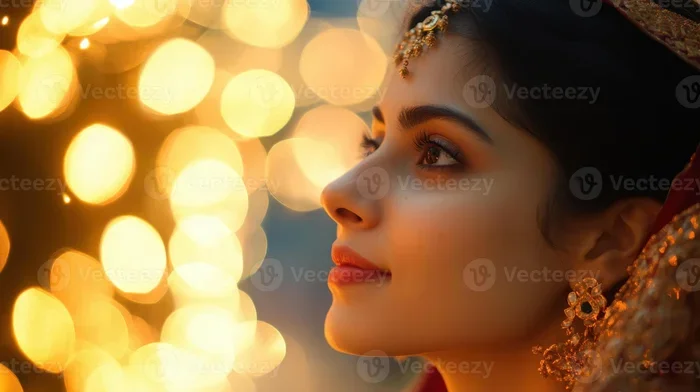
Visual guide about elegant Indian woman portrait
Image source: static.vecteezy.com
Key Takeaways
- Meaning matters: Dulari represents love, beauty, and cherished value in everyday speech.
- Cultural roots: The word connects to poetry, music, and family traditions across generations.
- Language use: Dulari appears in songs, stories, and daily conversation as a term of endearment.
- Art and beauty: The concept inspires visual art, fashion, and creative expression.
- Modern relevance: People still use Dulari to share warmth, respect, and affection.
- Easy to explore: You can learn more through music, literature, and community stories.
- Timeless appeal: Dulari stays beautiful because it reflects simple human emotions.
[FEATURED_IMAGE_PLACEHOLDER]
Words carry feelings. Some words feel soft. Some words feel warm. Dulari is one of those special words. It brings comfort. It brings joy. It brings a sense of beauty that people remember.
You may hear it in songs. You may see it in stories. You may even use it in daily talk. This guide will show you what it means. It will also show you why it matters. You will learn how it fits into culture, language, and art. By the end, you will see why this word still shines.
What Dulari Means in Simple Terms
Dulari is a word that people use to show love and care. It often points to someone dear. It can also point to something lovely. The feeling behind it is soft and warm. People like to use it because it sounds gentle. It feels like a smile in word form.
In many homes, this word acts like a sweet nickname. It can describe a child. It can describe a loved one. It can even describe a treasured object. The main idea stays the same. It shows value. It shows affection. It shows beauty that feels close to the heart.
Here are a few simple ways people understand it:
- A term of endearment: People use it to show deep care.
- A symbol of beauty: It points to something pleasant and lovely.
- A cultural touch: It connects to family, music, and shared memory.
The beauty of Dulari is that it feels personal. It does not stay rigid. It bends to the moment. That is why it feels so human.
The Cultural Roots of Dulari
Words do not live alone. They grow inside homes. They grow inside stories. They grow inside songs. Dulari has that kind of life. It sits inside many cultural moments. You can feel it in family talk. You can hear it in old melodies. You can see it in the way people speak with kindness.
Family and Daily Life
In daily life, people use sweet words to build closeness. Dulari fits that role well. It can soften a conversation. It can make a simple moment feel special. A parent may use it with a child. A friend may use it with care. A partner may use it to show love. The word becomes a small bridge between hearts.
Music and Storytelling
Music loves gentle words. Stories love emotional words. Dulari works in both places. It can appear in lyrics. It can appear in poems. It can appear in family tales passed down over time. These moments give the word texture. They give it memory. They give it rhythm.
When a word lives in music, it travels farther. When it lives in stories, it stays longer. That is part of why Dulari keeps its charm. It moves through people. It settles into shared life.
Tradition and Memory
Tradition often keeps language alive. Grandparents may use older words. Parents may repeat them. Children may learn them by ear. Dulari can live in that chain of memory. It becomes more than a word. It becomes a feeling tied to home.
That link matters. It shows how language and culture hold hands. It also shows why some words feel timeless. They are not just sounds. They are living pieces of everyday love.
Dulari in Language and Expression
Language changes with mood. It changes with place. It changes with who speaks it. Dulari shows how a word can carry many shades of meaning. It can be soft. It can be playful. It can be respectful. It can be loving. That range makes it useful.
How People Use It
People use words like Dulari in different ways. Some use it directly. Some use it with a smile. Some save it for special moments. The tone matters. The feeling matters. The relationship matters. A word can feel warm when it comes from a true place.
Here are common ways it may appear:
- In conversation: As a sweet way to address someone.
- In writing: To add warmth to a message or story.
- In song: To create emotion and flow.
- In memory: To recall a person or moment with care.
Why It Feels Natural
Good words feel easy. They do not strain the ear. They do not feel heavy. Dulari has that ease. It flows. It rests well in a sentence. It leaves room for feeling. That is why people remember it.
Language is not only about meaning. It is also about mood. It is about the touch a word gives. Dulari gives a gentle touch. That touch can calm a moment. It can also brighten one.
The Beauty of Dulari in Art and Life
Beauty lives in many forms. It lives in color. It lives in sound. It lives in words. Dulari belongs to that larger beauty. It can inspire art. It can inspire style. It can inspire the way people see the world.
Words as Art
A beautiful word can act like a brushstroke. It can paint mood. It can shape tone. Dulari can do that. It adds softness. It adds warmth. It makes a line feel more human. Writers often look for words like this. They want words that carry feeling without effort.
Style and Visual Beauty
People also link beauty to names and ideas. A word can spark a color palette. It can spark a mood board. It can spark a design idea. Dulari may remind someone of soft light. It may remind someone of warm tones. It may remind someone of grace. That is how language touches visual art.
Here is a simple way to think about it:
- Sound: The word feels smooth and kind.
- Feeling: It suggests care and charm.
- Image: It can bring to mind soft colors and calm moments.
Everyday Beauty
You do not need a gallery to see beauty. You can find it in daily life. You can find it in a kind word. You can find it in a small gesture. Dulari fits into that ordinary magic. It reminds people that beauty is often simple. It is often close. It is often human.
That idea matters. It keeps beauty grounded. It keeps beauty reachable. It says that lovely things do not always need to be grand. Sometimes they just need to feel true.
Why Dulari Still Matters Today
Old words can stay fresh. They stay fresh when people still feel them. They stay fresh when they still fit life. Dulari does both. It keeps a classic feel. It also fits modern moments. That balance helps it survive.
A Word for Warm Connections
Today, people move fast. Messages are short. Days feel busy. Still, people want real connection. They want words that feel sincere. Dulari offers that sincerity. It slows things down for a moment. It brings attention back to the person behind the word.
That is valuable. Small words can build strong bonds. A kind term can make someone feel seen. It can make a message feel softer. It can make a relationship feel warmer.
A Word for Creative Work
Creators also need words that carry feeling. They need words that fit mood. They need words that feel alive. Dulari can help with that. It can fit into poetry. It can fit into captions. It can fit into stories. It can fit into songs that need a tender note.
When a word works in many places, it becomes useful. When it also feels beautiful, it becomes memorable. That is a strong mix.
A Word for Personal Meaning
People also keep words for personal reasons. A word may remind them of home. A word may remind them of a loved one. A word may remind them of a happy time. Dulari can hold that kind of memory. It can sit quietly in the heart.
Personal meaning gives a word strength. It gives it roots. It gives it reason to stay. That is why some words outlast trends. They are not just popular. They are beloved.
Common Mistakes and Quick Tips
Even a gentle word can be used in ways that miss the mark. The feeling matters. The setting matters. The person matters. Here are a few things to keep in mind.
Common Mistakes
- Using it without feeling: A sweet word works best when it feels sincere.
- Using it in the wrong moment: Tone and context should match the mood.
- Forcing it into every sentence: Beautiful words shine more when they are used with care.
- Ignoring the relationship: The meaning can change based on who speaks and who listens.
Quick Tips
- Keep it natural: Use Dulari when it fits the moment.
- Match the tone: Let your voice stay warm and respectful.
- Think of the listener: Choose words that feel comfortable for them.
- Use it in creative ways: Try it in writing, music, or personal notes.
- Let it breathe: A soft word does not need extra noise around it.
Simple use often works best. When a word is good, it does not need much help. It just needs honest use.
Expert Insights on Meaning and Beauty
Language experts often say that emotion gives words power. That idea fits Dulari well. The word is not heavy with rules. It is light with feeling. That makes it easy to carry. It also makes it easy to remember.
Beauty experts often say that charm lives in small details. A word can be one of those details. It can change the mood of a sentence. It can change the mood of a room. It can change the mood of a moment. Dulari does that by staying simple and sincere.
There is also a practical side to this. People remember what feels good. They return to what feels kind. They share what feels true. So a word with warmth has a natural edge. It spreads because people like holding it.
In the end, meaning and beauty often meet in the same place. They meet in human care. They meet in honest expression. They meet in words that make people feel something real. That is where Dulari lives.
Key Takeaways
- Simple meaning: Dulari is a warm word tied to love, care, and beauty.
- Cultural life: It grows through family, music, and shared memory.
- Language value: It works well because it feels natural and gentle.
- Artistic touch: It can inspire writing, design, and creative mood.
- Modern use: It still fits today because people want real connection.
- Careful use: It works best when the tone and moment match.
- Lasting charm: Its beauty comes from sincerity, not complexity.
Conclusion
Dulari is more than a pretty word. It is a feeling that people carry. It is a small spark of warmth in language. It is a reminder that beauty can be simple. It can be close. It can be shared.
When you understand Dulari, you understand a little more about how words live. They live in homes. They live in songs. They live in memories. They live in the way people care for one another. That is what gives this word its glow.
So the next time you hear Dulari, pause for a moment. Listen to the tone. Feel the mood. You may notice how much meaning can fit inside a single beautiful word.
What does Dulari mean?
Dulari is a gentle word people use to show love, care, and beauty. It often feels like a term of endearment. It can describe a dear person or a lovely idea.
Is Dulari only used in one language?
No, words like Dulari can appear in different places and styles of speech. Its exact use may change by region and family. Still, the warm feeling behind it stays similar.
Why do people find Dulari beautiful?
People find Dulari beautiful because it feels soft, kind, and human. It carries emotion without feeling heavy. That makes it easy to remember and easy to enjoy.
Can Dulari be used in writing or art?
Yes, Dulari can work in writing, music, and creative projects. It adds warmth to a line or mood. It can also inspire visual ideas like color and style.
Is Dulari a common word in daily life?
It can be common in homes and social settings where people like sweet speech. Some use it often. Others save it for special moments. Both ways can feel natural.
What makes Dulari different from other pretty words?
Dulari feels personal and affectionate. It does not just sound nice. It also feels close to everyday emotion. That mix of sound and feeling gives it a special place.
Frequently Asked Questions
What is Dulari?
Dulari is an important topic with many practical applications.