
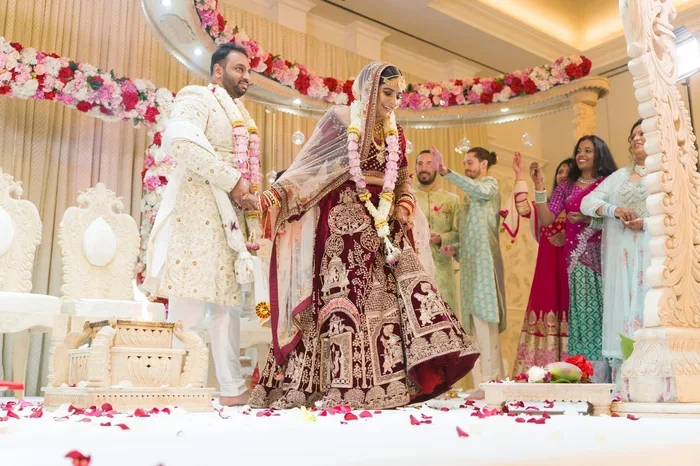
Saat Paake Bandha is a cherished wedding ritual that celebrates love and commitment. This tradition holds deep cultural value for families in Bhojpuri communities. You will learn about its roots, steps, and modern relevance here. We break down every detail in simple terms.
Love feels big on wedding day. Families want to mark that love in a clear way. Saat Paake Bandha gives them a beautiful path to do that. This custom comes from Bhojpuri roots. It uses simple steps and strong symbols. You do not need a big budget to honor it. You only need respect, trust, and a willing heart.
Many people hear the name and feel curious. They ask what it means. They ask why seven steps matter. They ask how to plan it today. This guide answers those questions in plain words. You will see the history, the ritual flow, and the modern touches. You will also find quick tips and common mistakes to avoid.
Key Takeaways
- Cultural Roots: Saat Paake Bandha comes from old Bhojpuri wedding customs.
- Symbolic Steps: Seven rounds around the sacred fire represent seven life vows.
- Family Bonding: The ritual brings two families together in celebration.
- Modern Practice: Many couples still follow this tradition with small updates.
- Community Joy: Friends and relatives share music, dance, and food.
- Simple Meaning: The act shows lasting promise and mutual respect.
- Easy Guide: You can plan this ritual with clear steps and local help.
📑 Table of Contents
- What Is Saat Paake Bandha and Why It Matters
- The Cultural Roots of This Bhojpuri Wedding Ritual
- Step by Step: How the Ritual Unfolds
- Why the Seven Rounds Carry Deep Symbolism
- Modern Twists That Keep the Tradition Alive
- How Families and Communities Celebrate Together
- Common Questions People Ask
- Final Thoughts on Saat Paake Bandha
What Is Saat Paake Bandha and Why It Matters
At its core, this ritual is a promise. Two people walk together around a holy fire. They take seven steps. Each step stands for a life value. The phrase Saat Paake Bandha captures that idea in a short line. Saat means seven. Paake points to the rounds or steps. Bandha means bond or tie. Put together, it speaks of a seven-step tie.
This custom matters because it turns a private promise into a public vow. Family and friends witness the moment. They bless the couple. They share in the joy. That shared witness makes the bond feel stronger. It also keeps old traditions alive in a simple way.
The Seven Steps in Simple Terms
Each step carries a clear message. You can think of them as seven small promises. The couple repeats these promises as they move. The fire stays at the center. The fire acts as a witness. The heat and light remind everyone of warmth and clarity.
Here is a plain look at the seven ideas often linked to the steps:
- First step: Food and daily care for each other.
- Second step: Strength and steady support.
- Third step: Wealth and shared responsibility.
- Fourth step: Happiness and simple joy.
- Fifth step: Children and family growth.
- Sixth step: Health and long life together.
- Seventh step: Friendship and lasting loyalty.
These ideas may shift a bit by family or region. The core stays the same. The couple pledges to stand together through daily life. That is the heart of Saat Paake Bandha meaning for most people.
The Cultural Roots of This Bhojpuri Wedding Ritual
Bhojpuri culture loves music, dance, and strong family ties. Weddings in this region feel lively and warm. Bhojpuri wedding ritual traditions often mix faith, fun, and community. Saat Paake Bandha fits right into that spirit. It keeps the focus on the couple while still honoring the elders.
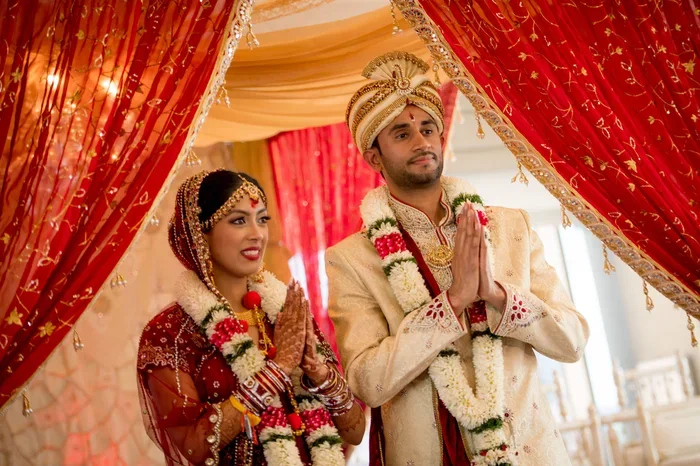
Visual guide about Indian wedding couple cultural ceremony
Image source: i.pinimg.com
The ritual also reflects a simple worldview. Life works best when two people share the load. The seven steps remind everyone that marriage is a team effort. The fire ceremony, or sacred fire ceremony, adds a spiritual layer. It shows that the promise reaches beyond the room. It reaches into the larger circle of family and fate.
How Elders View the Tradition
Elders often see this custom as a link between past and present. They remember their own wedding days. They recall the songs and the steps. They pass the same rhythm to the new couple. This passing of customs builds a sense of continuity. It also gives younger members a clear role in the event.
Many elders like the clear structure. The steps are easy to follow. The meaning is easy to explain. The ritual does not need complex tools. It needs presence, respect, and a calm mind. That simplicity is a big part of its charm.
Step by Step: How the Ritual Unfolds
Planning this ritual is easier when you know the flow. You can keep it short or make it grand. The basic order stays steady. Below is a simple path you can follow.
Before the Seven Steps
Start with a clean space. Set up the wedding altar or wedding altar in a quiet corner. Place the fire pit safely. Arrange the flowers and the small lamps. Invite the priest or elder who will guide the couple. Share the list of vows or lines they will say. Keep the mood calm and focused.
Here is a quick prep list:
- Choose a safe spot for the fire.
- Gather dry wood, matches, and water.
- Keep flowers, rice, and small lamps ready.
- Ask the couple to wear comfortable clothes.
- Brief the guests on the order of events.
- Assign one person to manage photos.
During the Seven Steps
The couple stands near the fire. They hold hands or touch the ceremonial items. They begin the first round. They speak or listen to the first vow. They move to the next point. They repeat this pattern for all seven rounds. The crowd stays quiet and supportive. The elder or priest keeps the rhythm steady.
A good flow looks like this:
- Welcome the couple to the fire.
- State the purpose of the ritual.
- Guide the first step and first vow.
- Continue through all seven steps.
- Close with blessings and applause.
After the Ritual
Once the seven steps end, the mood turns joyful. Guests clap and sing. The families exchange greetings. The couple receives gifts or good wishes. You can serve light snacks or tea. You can also move to the dance floor if the event calls for it. The key is to let the energy rise naturally.
Why the Seven Rounds Carry Deep Symbolism
People often ask why seven rounds matter so much. The number seven shows up in many old stories. It can suggest completeness. It can suggest a full cycle. In this ritual, it gives the couple a clear path to follow. They do not rush. They move one step at a time. That pace builds focus and care.
The fire adds another layer of meaning. Fire changes things. It brings light in the dark. It keeps the space warm. In a seven rounds symbolism view, the fire stands for a witness that never sleeps. The couple speaks their vows in front of that witness. That idea makes the promise feel steady and real.
A Simple Way to Explain It to Guests
Not everyone knows the custom. Some guests may ask for a short explanation. You can use plain words. You can say that the couple walks seven times to show seven shared goals. You can say the fire watches over the promise. You can say the ritual celebrates teamwork and respect. Short answers work best. They keep the mood light and clear.
Quick Tips:
- Keep your explanation under one minute.
- Use everyday words, not heavy terms.
- Smile and keep the tone warm.
- Let the couple share their own words if they want.
Modern Twists That Keep the Tradition Alive
Traditions grow when people use them with care. Many couples today keep the core of Saat Paake Bandha but add small updates. They may shorten the vows. They may mix in a favorite song. They may invite friends to stand near the fire. These changes do not weaken the ritual. They make it feel close and current.
Some couples also blend this custom with other wedding moments. They may place it after the main ceremony. They may use it as a quiet pause before the party starts. That timing can create a nice balance. It gives the event both energy and calm.
Common Mistakes to Avoid
Even a simple ritual can go off track if you rush it. Here are a few pitfalls to watch for:
- Crowded space: Keep the fire area clear and safe.
- Unclear cues: Give the couple simple signals for each step.
- Long speeches: Keep words short so the rhythm stays smooth.
- Poor timing: Do not place the ritual during a busy rush.
- Skipped prep: Test the fire setup and seating before guests arrive.
Expert Insights:
- Ask one person to lead the flow.
- Use a small written card for the vows.
- Keep the fire size modest and controlled.
- Let the elder or priest set the tone.
- End with a clear blessing and a smile.
How Families and Communities Celebrate Together
A wedding ritual feels fuller when people share it. Community celebration turns a private vow into a group joy. Friends bring songs. Relatives bring food. Children dance near the edges. Everyone feels part of the moment. That shared joy is a big reason this custom stays dear.
The family bonding effect is real. Two families meet in a warm setting. They exchange greetings. They share stories. They find common ground. The ritual gives them a natural reason to connect. It also gives the couple a supportive circle as they start life together.
Ideas to Make the Gathering Memorable
You can keep the event simple and still make it special. Try a few easy ideas:
- Invite guests to sing one local song.
- Serve a favorite regional sweet.
- Set out a photo corner with simple props.
- Ask elders to share one short blessing.
- Let the couple thank guests in their own words.
These small touches add warmth without stress. They also help the ritual feel personal and lived-in.
Common Questions People Ask
Many couples plan this ritual with a few worries. They wonder about time, cost, and meaning. They also wonder how to make it feel real. Here are some clear answers in plain language.
A good rule is to keep the ritual focused. Do not try to pack too much into one moment. Let the seven steps breathe. Let the guests enjoy the pace. That simple choice improves the whole event.
Another helpful idea is to practice once. A short rehearsal removes confusion. The couple knows where to stand. The helper knows when to speak. The fire keeper knows how to stay safe. Small practice sessions save time on the day.
Final Thoughts on Saat Paake Bandha
Saat Paake Bandha is more than a pretty custom. It is a clear way to mark a lasting promise. It uses simple steps, a steady fire, and a shared witness. That mix gives the ritual depth without complexity. It also leaves room for personal touches. You can keep it traditional or add a modern spark. Either way, the heart stays the same.
If you are planning this ritual, start with respect. Prepare the space. Guide the couple with calm cues. Keep the words short and true. Let the families share in the joy. When you do that, the event feels full and meaningful. The Saat Paake Bandha meaning then shines through every step.
Remember the main goal. You are not just performing a ceremony. You are helping two people say yes to a shared life. You are also giving their community a reason to celebrate. That is a beautiful thing. Keep it simple, keep it sincere, and let the moment speak for itself.