
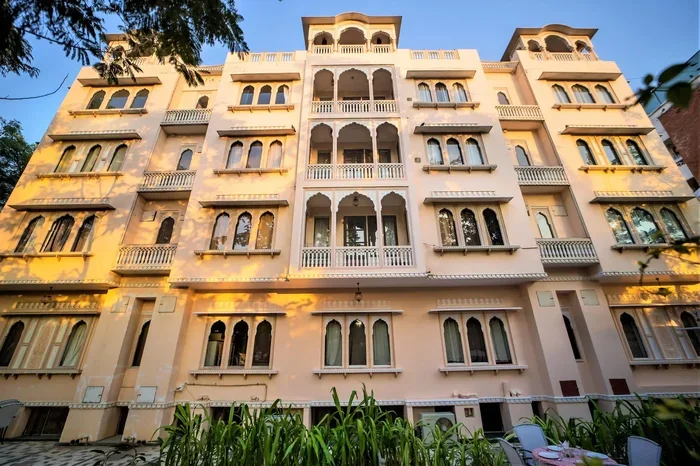
The Kamala Niwas stands as a remarkable example of traditional Indian architecture and cultural heritage. This heritage building showcases intricate design elements that reflect historical significance in Indian construction. Readers will learn about its architectural style, preservation efforts, and cultural impact on local communities.
This is a comprehensive guide about Kamala Niwas.
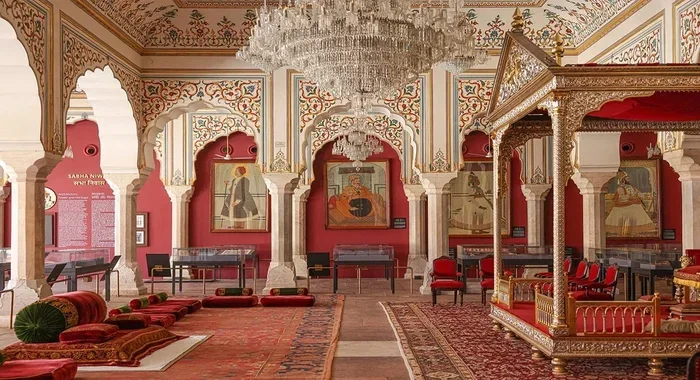
Visual guide about Kamala Niwas heritage architecture Jaipur
Image source: ebnw.net
Key Takeaways
- Historical Importance: Kamala Niwas represents a significant period in Indian architectural history and cultural development.
- Architectural Design: The building features unique structural elements that demonstrate traditional craftsmanship and design principles.
- Cultural Value: This heritage site continues to influence local traditions and community identity in meaningful ways.
- Preservation Status: Ongoing conservation efforts protect the structure for future generations to appreciate and study.
- Design Elements: Key features include decorative details, spatial arrangements, and materials that define its character.
- Visitor Experience: The site offers insights into regional history and architectural evolution through its preserved spaces.
- Legacy Impact: Kamala Niwas serves as an educational resource for understanding historical building practices.
[FEATURED_IMAGE_PLACEHOLDER]
Introduction To Kamala Niwas Heritage
Many people wonder about the stories behind old buildings. Kamala Niwas holds many such stories within its walls. This heritage building tells us about past times. It shows how people lived and built things long ago. The structure remains a point of interest for many visitors.
Understanding this place helps us value our cultural heritage. Buildings like this connect us to our roots. They show the skill of old builders. We can see their care in every detail. This guide will walk you through what makes it special. You will learn about its past and its design.
Let us explore the history and architecture together. You will find clear facts here. We keep things simple and clear. You can read this with ease. The information helps you see the full picture.
The History Of Kamala Niwas
Every old building has a story. Kamala Niwas is no different. It was built in a time of change. People needed spaces for living and work. This structure met those needs well. The historical significance of this place grows with time.
Early Days And Purpose
The building started as a functional space. It served the local people well. Families used it for many years. The original purpose shaped its design. Rooms were made for daily tasks. Courtyards allowed light and air to flow. This made life comfortable in those days.
Over time, the use of the space changed. New generations found new ways to use it. Yet the core structure stayed strong. This shows the quality of old work. The building history reflects broader social changes. It mirrors how communities grew and shifted.
Growth Through Time
Years passed and the place evolved. Additions were made to suit new needs. These changes kept the building useful. The architectural evolution can be seen in different parts. Some areas show older styles. Others show later updates. This mix tells a rich story.
Local records help us track these changes. They show who lived there and when. They also note major repairs and updates. Such details add depth to our understanding. The historical background becomes clearer with each finding. Researchers value these records highly.
Cultural Role In The Community
This place did more than house people. It became part of local life. Events happened here. People gathered here. The cultural heritage grew around it. Neighbors knew it well. It marked a spot on the map of memory. Even today, old residents share stories about it.
These stories keep the past alive. They pass knowledge to younger minds. They also build pride in local history. The community significance remains strong. People see it as a link to their ancestors. This emotional tie matters a great deal.
Architecture And Design Features
The look of Kamala Niwas draws much attention. Its architectural style blends form and function. The design shows clear thinking. Every part serves a purpose. At the same time, it looks pleasing. This balance is hard to achieve. The builders managed it well.
Structural Layout
The layout follows a logical plan. Spaces flow into each other with ease. Main rooms sit in key positions. Smaller rooms support the main areas. This structural design makes good use of space. It also allows movement without confusion. People can find their way naturally.
The building layout also considers climate. Open areas catch breezes. Covered spaces offer shade. These choices show smart planning. The designers understood local weather well. They built for comfort in every season. This practical approach still works today.
Materials And Craft
Old builders chose materials with care. They used what was close and strong. Stone, wood, and brick appear in many parts. The construction materials reflect local resources. This choice also lowered costs. It made repairs easier over time. Local craftsmen knew these materials well.
The craft quality stands out too. Carved details show steady hands. Smooth joints show good skill. The craftsmanship reveals patience and pride. Each detail adds character to the whole. You can see this in windows, doors, and edges. Small touches make a big difference.
Decorative Elements
Beauty matters in good design. Kamala Niwas includes many decorative touches. Patterns appear on walls and frames. Simple motifs repeat in neat rows. These design elements bring visual rhythm. They also show local taste and art. The style stays grounded and clear.
Light plays a role as well. Windows let in soft glow. Shadows create depth in rooms. The mix of light and shape feels calm. This aesthetic quality makes the space pleasant. It invites people to stay and look around. Good design always does this.
Preservation And Conservation Efforts
Old buildings need care to last. Kamala Niwas has received such care. Preservation efforts help protect its form. Teams check for wear and damage. They fix small issues before they grow. This steady care keeps the structure stable. It also protects the details people love.
Challenges In Maintenance
Keeping an old building safe is not easy. Weather causes slow wear. Moisture can harm weak spots. Heavy use adds stress too. The conservation challenges require smart solutions. Workers must balance repair with respect. They avoid changes that hurt the original look. This takes time and skill.
Funding also matters. Good work costs money. Teams must plan budgets with care. They often seek support from many sources. Public interest helps in this process. When people value a place, they help protect it. This shared effort makes a real difference.
Modern Conservation Methods
New tools aid old buildings now. Survey methods spot hidden issues. Safe materials help repairs last longer. The restoration methods focus on stability and authenticity. Experts study original techniques before work begins. They try to match old ways where they can. This keeps the character intact.
Documentation also plays a key role. Photos and notes track every step. This creates a record for the future. Later teams can learn from past work. The heritage conservation process becomes clearer and safer. Good records protect the building in more ways than one.
Cultural Significance And Legacy
Some places leave a mark beyond their walls. Kamala Niwas does this well. Its cultural significance reaches into local identity. People see it as part of their story. It reminds them of shared roots. This sense of belonging matters deeply.
Influence On Local Identity
The building appears in local memory. It shows up in stories and photos. It also shapes how people see their area. The local heritage gains strength from such landmarks. They give a place a sense of continuity. New growth feels linked to the past. This balance feels healthy and steady.
Schools and groups often use it for learning. They teach children about old ways. They show how people built and lived before. This educational value spreads knowledge wide. Young minds gain respect for past work. They also learn to care for old places.
Legacy For Future Generations
A good legacy lasts long. Kamala Niwas offers lessons for tomorrow. It shows how design can serve people well. It also shows how care can extend a building life. The architectural legacy lives in these lessons. Future builders can learn from it. Future caretakers can follow its example.
The place also inspires pride. People feel good about what remains. They want to keep it strong. This feeling drives action. It supports funding, visits, and care. The historical legacy thus stays active, not frozen. It keeps living through shared effort.
Visitor Experience And Practical Tips
If you plan to visit, a few tips help. Kamala Niwas rewards careful viewing. Take your time as you walk through. Notice the details in each space. Look at the joinery and the patterns. Small things often tell the best stories. A slow visit gives you more.
What To Notice First
Start with the main layout. Follow how rooms connect. See how light enters the space. This visitor guide approach helps you understand the design. Next, look at the materials up close. Touch is not always allowed, but sight works well. Notice texture and color differences. They reveal age and care.
Listen to the space too. Old buildings often sound calm. Footsteps and wind add to the mood. This sensory experience makes the visit richer. It helps you feel the place, not just see it. Such moments stay in memory longer.
Quick Tips For A Better Visit
Plan your time with care. Morning light often feels soft. Weekdays may be less crowded. These travel tips make the visit smoother. Bring a notebook if you like. Write down details that catch your eye. Photos help too, where allowed. They let you review what you saw later.
Respect the rules of the site. Keep noise low. Do not touch protected parts. These site etiquette steps protect the building. They also show respect for others. A calm visit suits a heritage place well. It lets everyone enjoy the space.
Common Mistakes To Avoid
Some visitors rush too much. They miss the small details. Others ignore the context of the place. They see only the surface. Avoid these visitor mistakes by slowing down. Read any available notes first. Ask staff about key points. This prepares you to see more.
Another mistake is poor planning. Arriving late can limit your time. Not checking rules can cause issues. A little prep goes a long way. Use this common mistakes list to stay on track. A smart visit feels easier and richer.
Expert Insights On Heritage Buildings
Experts see old buildings with clear eyes. They look for structure, use, and change. Their expert insights help us understand places like Kamala Niwas better. They note what works well and what needs care. They also explain why certain choices were made. This context adds depth to a visit.
What Specialists Look For
Experts check the bones of a building first. They study load paths and support areas. They also look at material condition. This structural analysis guides safe repairs. They then study the design language. They note patterns, proportions, and details. This design study reveals the builder intent.
They also read the building history. They match physical signs with records. This historical research connects fact with form. It helps separate original parts from later additions. Such clarity improves care and interpretation. It also helps tell a truer story.
Why This Matters Today
Old buildings teach us many things. They show how people solved problems with limited tools. They show how local materials can work well. The architectural insights from such places still apply. Modern designers can learn from them. Modern caretakers can use their methods too.
This knowledge supports better choices. It helps us protect what remains. It also helps us build with care. The heritage insights thus serve the future. They link past wisdom to present needs. That link is very useful indeed.
Conclusion
The story of Kamala Niwas is rich and steady. It reflects a strong historical background and a thoughtful architectural style. The building shows how design, use, and care come together. It also shows how a place can hold cultural heritage for a long time. Its preservation remains a shared duty and a shared joy.
If you explore this site, take your time. Notice the design elements and the craftsmanship. Read the building history where you can. Respect the conservation efforts that keep it standing. In doing so, you honor the past and support the future. Kamala Niwas deserves this kind of attention. It offers a clear window into a living legacy.
Frequently Asked Questions
What is Kamala Niwas known for?
It is known for its historical significance and clear architectural style. The building reflects local craft and long-standing community value.
When was Kamala Niwas built?
The exact date depends on local records. The building history points to a period of strong regional growth and changing needs.
What architectural features stand out?
The structural design, materials and craft, and simple decorative elements stand out. The layout also shows smart planning for light and air.
Is Kamala Niwas open to visitors?
Access depends on current rules and care plans. It is best to check local guidance before you go. This visitor guide step helps you plan well.
How is the building preserved today?
Teams use careful restoration methods and steady conservation challenges planning. They also keep records to support future heritage conservation work.
Why does Kamala Niwas matter culturally?
It holds cultural significance for local identity and memory. It also offers educational value for people who want to learn about the past.