
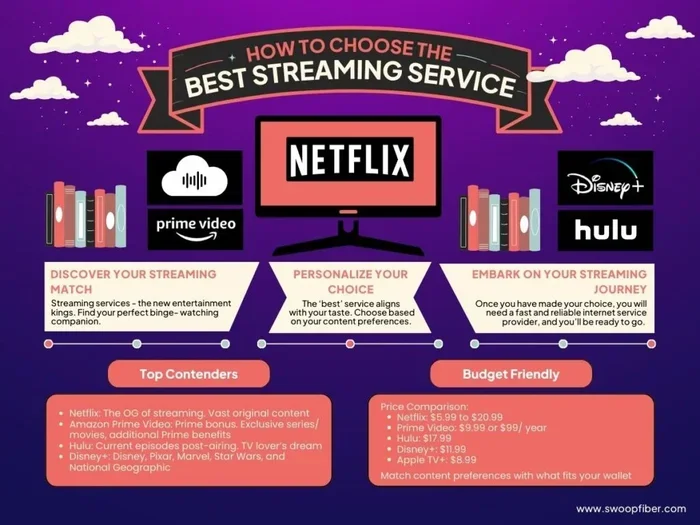
Featured image for how to TV streaming service selection
Image source: swoopfiber.com
Choosing the right streaming setup comes down to matching your viewing habits with the right mix of live TV, on-demand libraries, and device support. Start by listing the shows, channels, and sports you actually watch, then compare monthly costs, contract terms, and video quality across services. This guide walks you through each decision so you can avoid overpaying and pick a service that fits your home.
Streaming television has made choosing a home entertainment setup both easier and more confusing. There are more options than ever, and each service promotes a different mix of live channels, original programs, movies, and sports. If you have ever opened a streaming app and felt overwhelmed by the choices, you are not alone. The good news is that you do not need to guess. You can make a smart decision by breaking the process into a few simple steps.
This guide explains how to choose the best TV streaming service for your household. You will learn how to define what you actually watch, compare pricing and content, check device support, and avoid common mistakes that lead to paying for more than you need. By the end, you should have a clear plan for picking a service that fits your budget and your viewing habits.
📑 Table of Contents
- Step 1: Define What You Actually Watch
- Step 2: Compare Content Libraries and Live TV Options
- Step 3: Understand Pricing, Ads, and Hidden Costs
- Step 4: Check Device Compatibility and Ease of Use
- Step 5: Evaluate Video Quality, Audio, and Internet Needs
- Step 6: Review Contracts, Free Trials, and Cancellation Terms
- Step 7: Make a Shortlist and Test Before You Commit
- Troubleshooting Common Streaming Decisions
- Bringing It All Together
Step 1: Define What You Actually Watch
The best starting point is not a list of popular services. It is a list of your own habits. Before comparing plans, take a few minutes to think about how you use television. Ask yourself what you watch most often, because that answer will shape every choice that follows.
Identify your must-have content
Start by writing down the shows, networks, or types of content you watch regularly. For some people, the priority is live news and sports. For others, it is scripted series, movies, documentaries, or kids’ programming. If you mainly watch a few specific shows, look for the services that carry them. If you enjoy browsing, a larger on-demand library may matter more than any single channel.
A helpful question is whether you need live broadcasting or whether on-demand viewing is enough. Live TV matters if you want to catch games, news, or events as they happen. On-demand libraries matter if you prefer watching at your own pace. Many households need a mix of both, so be honest about which side matters more.
Separate wants from needs
It is easy to assume you need every feature a service offers. In practice, many viewers pay for content they rarely use. Try separating your must-haves from your nice-to-haves. A must-have might be a specific sports league, a favorite network, or a show your family watches every week. A nice-to-have might be an extra movie channel, a second regional sports option, or a feature you rarely open.
This distinction matters because streaming services often tempt buyers with large bundles. If you only need a few core channels or a specific type of content, a smaller plan may be the smarter choice. The goal is not to get the most content. The goal is to get the right content.
Think about who watches in your home
If more than one person uses the television, consider everyone’s preferences. A service that works well for one viewer may disappoint another. For example, one person may care about live sports, while another wants family-friendly shows or movies. When several people share a subscription, the best choice is usually the one that covers the most important interests without adding unnecessary extras.
You can also think about viewing style. Some households like simple menus and curated recommendations. Others want detailed search tools, multiple user profiles, or strong parental controls. These preferences may not decide your choice alone, but they can help you narrow the field.
Step 2: Compare Content Libraries and Live TV Options
Once you know what you watch, compare the content each service offers. This is where many people get stuck, because every platform describes its library in broad terms. A useful comparison looks past the marketing and focuses on the specific channels, shows, and viewing modes you care about.
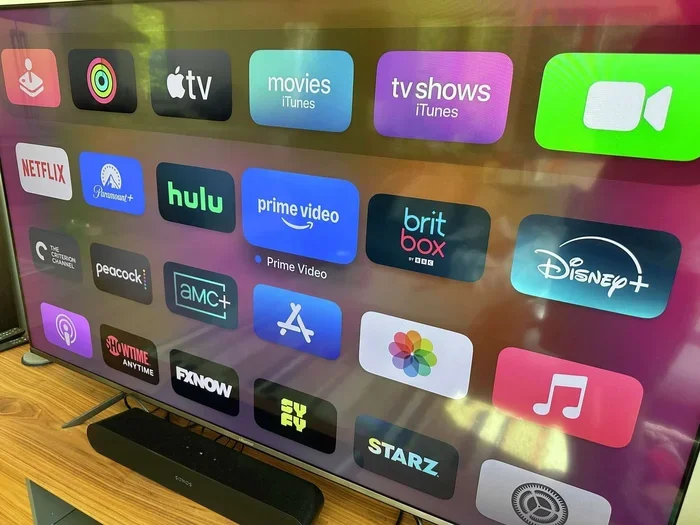
Visual guide about how to TV streaming service selection
Image source: s.hdnux.com
On-demand libraries
On-demand libraries are collections of movies and shows you can watch whenever you want. These libraries can be a major advantage if you enjoy discovering new titles or rewatching favorites. However, libraries change over time. Titles can be added, removed, or moved to another service as licensing agreements shift. That means a catalog that looks strong today may not stay exactly the same.
When comparing libraries, look for the kinds of content you actually want rather than the total number of titles. A large library is not always more useful than a smaller one with better-targeted content. If you mainly watch a certain genre, check whether the service has a strong selection in that area. If you want recent releases, see whether the service tends to carry them or focuses on older titles.
Live TV and channel lineups
If live television matters to you, look closely at the channel lineup. Different services include different networks, and the details can vary by region. A service may advertise a long list of channels, but the ones you care about may not be included in your area or may require a higher tier.
Pay special attention to the channels you watch most often. If your household relies on certain news or sports channels, confirm they are part of the plan you are considering. Also check whether the service offers local channels, because those can be important for regional news and live events. If a service does not include them, you may need a second option to fill the gap.
Originals and exclusive content
Many streaming services promote original shows and exclusive titles. These can be a strong reason to subscribe, especially if there is a program your household wants to follow. Still, it helps to be selective. A service may have one or two popular originals and a smaller amount of other content that interests you.
If you are choosing based on a specific show or series, verify where it is available before you commit. If you are choosing based on a broader appetite for original programming, look at whether the service releases new titles often enough to keep you interested. Exclusive content can be a good tie-breaker, but it should not be the only factor if the rest of the service does not fit your needs.
Step 3: Understand Pricing, Ads, and Hidden Costs
Price is one of the easiest factors to compare, but it is also one of the easiest to misunderstand. The number on a homepage may not reflect what you actually pay each month. To make a fair comparison, look at the full cost structure, including ads, add-ons, and possible price changes.
Monthly price vs. real cost
Start with the advertised monthly price, then ask what is included. Some services charge less because they include ads. Others charge more for an ad-free experience. Some offer a lower introductory rate that increases later. If you are comparing several services, line up the versions that are most similar in features so you are not comparing a basic ad-supported plan with a premium ad-free plan.
Also consider whether you need extra channels or features. A base plan may look affordable, but the total can rise if you add sports packages, premium movie options, or extra screens. If you expect to add several extras, factor that into your budget from the start.
Ad-supported and ad-free tiers
Many services now offer both ad-supported and ad-free choices. An ad-supported plan can be a good way to save money if you do not mind interruptions. An ad-free plan may be worth it if you watch for long stretches, hate commercial breaks, or want a smoother experience during movies and shows.
The right choice depends on your tolerance for ads and how often you watch. If you mainly stream in the background, ads may not bother you much. If you sit down for full episodes or films, the ad-free option may feel more comfortable. Think about the viewing experience, not just the monthly price.
Add-ons, equipment, and price changes
Some services include everything in one price, while others separate features into extras. Common add-ons can include additional simultaneous streams, cloud storage for recordings, premium channels, or enhanced video options. Before subscribing, check whether the features you want are included or billed separately.
You should also think about equipment. Some services work well through a smart TV app or a low-cost streaming device. Others may work best with a specific device or require a higher-quality internet connection for the best playback. If you need to buy a streaming stick, remote, or other hardware, include that in your decision.
Finally, remember that streaming prices can change. Services occasionally adjust monthly rates, so a plan that feels affordable today may not stay that way. It is wise to choose a service that still feels reasonable even if the price rises slightly later.
Step 4: Check Device Compatibility and Ease of Use
A streaming service is only useful if it works smoothly on the devices you already own. A strong content library does not help much if the app is hard to find, slow to load, or unavailable on your main television. That is why device support and usability deserve a close look.
Smart TVs, streaming sticks, and consoles
Check whether the service has an app for your smart TV, streaming device, game console, or mobile device. Some services are widely available across many platforms. Others may be limited to certain devices or operating systems. If you plan to watch primarily on one television, make sure the service is easy to install and open on that screen.
If you use a streaming stick or box, confirm that the app runs well on it. If you use a game console, verify that the service is supported and that the controller or menu navigation feels comfortable. These details may seem small, but they affect how often you actually use the service.
User interface and navigation
Ease of use matters more than many buyers expect. A service can have excellent content and still be frustrating if the menus are cluttered, search is weak, or recommendations feel random. If possible, try the service’s app before subscribing, or read about how the interface is organized.
Look for features that make daily use easier, such as clear categories, reliable search, profiles for different viewers, and simple playback controls. If you have children in the house, parental controls may also matter. A service that is easy to navigate can save time and reduce frustration every day.
Offline viewing and multi-device support
Some services let you download content for offline viewing. This can be useful for travel, commuting, or watching without using home internet bandwidth. If you often watch away from your main television, this feature may be more valuable than you first think.
Also check how many devices can stream at once. If several people in your home watch different shows simultaneously, you will want a plan that supports that. If everyone watches together on one screen, simultaneous streams may matter less. Matching the plan to your household’s habits can prevent annoyance later.
Step 5: Evaluate Video Quality, Audio, and Internet Needs
If you watch on a large television or care about sound quality, playback performance matters. A service may offer the right content but still disappoint if the picture looks soft, buffering happens often, or audio does not match your setup. You do not need to become a technical expert, but you should check a few basics.
Resolution and streaming stability
Many services offer different levels of video quality depending on the plan, device, and internet connection. Higher resolution can matter on bigger screens, especially if you sit close enough to notice detail. If you have a high-definition or 4K television, check whether the service supports the quality you want and whether that quality is included in the plan you are considering.
Streaming stability is just as important as resolution. A service that constantly buffers can ruin the experience, even if the content is excellent. If your home internet connection is limited or shared by many devices, choose a service that performs well at lower bandwidths or offers adaptive streaming that adjusts to your connection.
Audio quality and home theater setups
Audio matters if you use a soundbar, receiver, or surround system. Some services support better audio formats than others, and the difference can be noticeable in movies and action shows. If you have a more advanced audio setup, check whether the service delivers sound in a way your equipment can use well.
If you usually watch with TV speakers or simple headphones, audio may not be a major deciding factor. But if you enjoy cinema-style sound, it is worth confirming that the service does not limit your setup unnecessarily.
Internet bandwidth and household usage
Streaming several hours of video uses internet data, and multiple viewers can add up quickly. If your internet plan has limits or slows during busy hours, think about how streaming fits into your overall usage. A service with lower bandwidth demands may be a better fit if your connection is modest.
You can also reduce problems by choosing a wired connection for your streaming device when possible, or by placing your wireless router in a good location. These are small practical steps, but they can make a noticeable difference in playback quality.
Step 6: Review Contracts, Free Trials, and Cancellation Terms
Before you subscribe, understand how flexible the service is. Some streaming services are easy to start and stop. Others are tied to longer commitments, bundled bills, or promotional terms that affect how and when you can cancel. The best choice is usually the one that gives you the right balance of convenience and control.
No-contract vs. bundled plans
Many standalone streaming services do not require a long-term contract. That flexibility is useful if your interests change or if you want to subscribe only during certain months. Other services may be bundled with internet, cable, or other home services. Bundles can be convenient, but they may also make it harder to separate one cost from another or to change one part of the package without affecting the rest.
If you prefer flexibility, a no-contract option may be the better fit. If you want simplicity and already use a bundled provider, a package may make sense as long as you understand the full cost and terms.
Free trials and promotional offers
Free trials and promotional discounts can help you test a service before paying. If a trial is available, use it to check the content, interface, and playback quality on your own devices. Do not assume a service will feel the same on your television as it does in a promotional video or description.
When a promotional price is offered, check how long it lasts and what happens when it ends. A low introductory rate can be helpful, but only if you are comfortable with the regular price afterward. If the regular price is much higher, decide in advance whether the service is still worth it.
Cancellation and account management
It is smart to know how cancellation works before you sign up. Look for clear instructions on how to cancel, whether you can pause service, and whether any settings or recordings are lost when you stop. Easy account management is especially helpful if you plan to subscribe only for a limited time.
Also consider whether the service makes it easy to find your watch history, profiles, and preferences if you return later. A service that is simple to leave and rejoin can be more convenient for households that change their habits seasonally.
Step 7: Make a Shortlist and Test Before You Commit
After comparing content, price, devices, and terms, narrow your options to a shortlist. You do not need to choose the perfect service on the first try. In fact, it is often better to test a few choices and see which one fits best.
Build a shortlist based on your priorities
Start by ranking your priorities. If live sports matter most, put the services with the best sports coverage at the top. If budget matters most, focus on the lowest total cost for the content you need. If ease of use matters most, give extra weight to interface and device support. Ranking your priorities helps you avoid being distracted by features you do not really need.
Your shortlist should include only the services that meet your core requirements. If a service looks exciting but does not cover your must-have content, move it to a later round or skip it entirely. A focused shortlist makes the final decision much easier.
Test with a trial or a short subscription
If possible, try a service before committing long term. Use the trial period to watch the shows or channels you care about most. Pay attention to how quickly the app loads, how easy it is to find content, and whether playback feels smooth on your main device.
If a trial is not available, consider subscribing for a short period and canceling before the billing cycle resets if the service does not meet your expectations. The point is to verify the experience in your own home, not just on paper.
Reassess after a few weeks
After you have used a service for a while, ask yourself a few simple questions. Did you actually watch the content you expected? Was the interface easy enough to use? Did the price feel fair for the value you received? If the answer to several of those questions is no, it may be time to switch or adjust your setup.
Streaming choices do not have to be permanent. Many households change services over time as shows move, seasons end, or budgets shift. The best approach is to pick a service that works well now and leave room to adapt later.
Troubleshooting Common Streaming Decisions
Even with a careful plan, you may run into a few common problems. Here are some practical ways to handle them.
Too many services, too much confusion
If you find yourself juggling several apps, simplify. Pick one or two core services that cover most of what you watch, and add others only when needed. Too many subscriptions can make it harder to find content and easier to lose track of what you are paying for.
The content you want keeps moving
If a show or channel disappears, do not assume the service is poor. Licensing changes are common in streaming. When that happens, check whether the content is available elsewhere, and decide whether the rest of the service is still worth keeping. Sometimes a temporary gap is inconvenient, but the overall value remains strong.
The price feels higher than the value
If a service no longer feels worth it, review what you actually use. You may be able to downgrade to a cheaper tier, remove add-ons, or switch to a different service that better matches your habits. The goal is to keep paying for value, not habit.
Playback problems on one device
If a service works on some devices but not others, troubleshoot the weakest link first. Check for app updates, restart the device, and confirm your internet connection is stable. If the problem continues, test another device to see whether the issue is with the service, the hardware, or your network.
Bringing It All Together
Choosing the best TV streaming service is less about finding the biggest library and more about finding the best match for your household. When you define what you watch, compare content and pricing honestly, check device support, and understand the terms before you subscribe, the decision becomes much easier. You do not need every feature. You need the features that matter to the people who actually use the television.
The most practical approach is to start with your must-have content, compare a few realistic options, and test the one that seems closest to your needs. If it works well, you have a solid setup. If it does not, you can adjust without much trouble. That flexibility is one of the biggest advantages of streaming, and it is worth using it carefully.
If you take one thing from this guide, let it be this: the best choice is the one that fits your habits, your devices, and your budget without forcing you to pay for content you will not use. When you choose with that mindset, you are far more likely to end up with a service you actually enjoy.