

Featured image for West Bengal history
Image source: tusktravel.com
West Bengal history is a rich tapestry woven with ancient kingdoms, colonial rule, and a brave freedom struggle. This guide covers everything from the Mauryan Empire to the present day. You will learn about key leaders, cultural shifts, and major battles. Dive into the past to understand the present vibrant state. Discover how history shaped modern Bengal.
This is a comprehensive guide about West Bengal history.
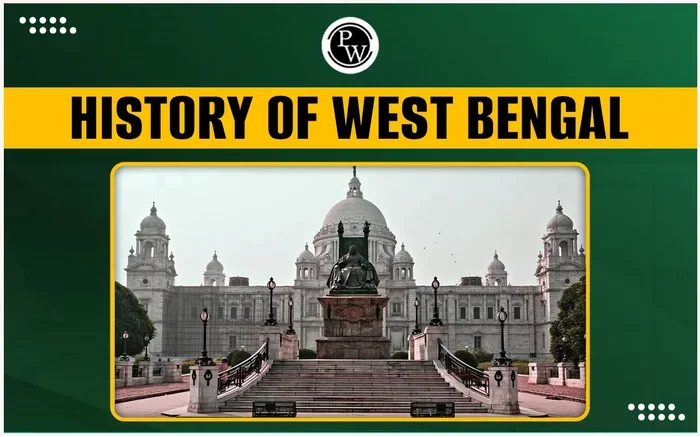
Visual guide about West Bengal history
Image source: static.pw.live
Key Takeaways
- Ancient Roots: The region hosted powerful dynasties like the Mauryas and Guptas.
- Colonial Impact: British rule changed the economy and society deeply.
- Freedom Struggle: Many leaders fought hard for India’s independence here.
- Cultural Hub: Bengal became a center for art, literature, and music.
- Partition Pain: The 1947 split changed borders and lives forever.
- Modern Growth: Today, the state focuses on industry and education.
- Rich Heritage: Temples, mosques, and colonial buildings remain today.
[FEATURED_IMAGE_PLACEHOLDER]
Understanding West Bengal History
West Bengal history is long and full of exciting stories. This state sits in the eastern part of India. It has seen many kings and queens rule over it. People here speak Bengali and love their culture. The land is near the Bay of Bengal. Many rivers flow through this fertile land. These rivers helped farmers grow food long ago. Ancient people settled here because of the water and soil. You can see old ruins in many places today. Historians love to study these old sites. They find coins and pots from long ago. These things tell us about daily life in the past. The story of this place is very deep. It goes back thousands of years. We will look at each time period closely. You will see how things changed over time. From kings to British rulers, many held power. Each group left something behind. Some built big temples. Others built roads and schools. The culture grew rich with each new era. Music and art flourished here too. Poets wrote great books in this language. Leaders fought for freedom with strong voices. The partition was a hard time for everyone. Families had to leave their homes. But people stayed strong and rebuilt their lives. Today, the state is busy and growing. Cities are full of traffic and shops. Villages still have green fields. History is everywhere you look. Old buildings stand next to new malls. This mix makes the place unique. You can feel the past in the air. It is a land of stories and changes.
Why This Past Matters
Knowing the past helps us understand the present. The culture here is very strong. People celebrate many festivals with joy. Durga Puja is the biggest festival of all. Everyone comes together to celebrate. Food is also a big part of life. People eat rice and fish every day. This diet comes from old traditions. The language is also very important. Many great writers came from this region. They wrote poems and novels. Their words still inspire people today. The education system is quite good. There are many old universities here. Students come from all over India. They study history and science. The economy is also changing fast. New factories are opening up. People work in tech and service jobs. But farming is still important. Many families grow crops for living. The government tries to help farmers. They build new roads and bridges. This helps trade move faster. History shapes how people think. They value freedom and art. They love their language deeply. This pride comes from the past. It is good to know these roots. It makes you respect the culture more. You see why people act certain ways. You understand their festivals and food. This knowledge brings people closer. It builds a sense of community. Everyone should learn about this history. It is a key part of India.
Ancient Kingdoms and Early Rulers
Long ago, many kings ruled this land. The Mauryan Empire was one of the first. Emperor Ashoka was a very famous king. He built many stupas and pillars. Some of these still stand today. They show the art of that time. The Gupta Empire came later. This was a golden age for art. Scientists and mathematicians lived here. They made big discoveries in stars. They also learned about numbers. The Pala Empire ruled for a long time. They were Buddhists mostly. They built many big monasteries. Students came from far away to study. Tibetans and Chinese visited too. They learned about religion and philosophy. The Sena dynasty came after the Palas. They were Hindus who ruled the land. They built many beautiful temples. These temples had tall towers. They were made of stone and brick. The architecture was very unique. Carvings showed stories from myths. People prayed there every day. Kings fought many battles too. They wanted to protect their land. They built forts on hills. Soldiers guarded the gates day and night. Trade was also very active. Merchants sold goods to other lands. They used boats on the rivers. Spices and cloth were common items. Money changed hands often. Cities grew big and busy. People lived in houses of mud. They wore cotton clothes mostly. Life was simple but hard. Farmers worked in the fields all day. They grew rice and vegetables. Rain was very important for them. If rain failed, people suffered. Kings tried to help their people. They built wells and tanks. This helped during dry times. The society was structured too. People had different jobs and roles. Some were priests and some were warriors. Others were traders or farmers. Everyone had a place in life. This order kept things stable. It lasted for many centuries.
Cultural Shifts in Early Times
Religion changed over these years. Buddhism grew strong first. Then Hinduism came back. People built shrines for gods. They sang songs in praise. Art became very detailed. Painters used bright colors. They drew scenes from nature. Musicians played drums and flutes. Dancers moved with grace. All this happened in courts. Kings loved to watch arts. They gave money to artists. This helped culture grow. Language also changed slowly. Old scripts were used first. Then new letters came. People wrote on palm leaves. They kept records of events. These books tell us much now. We know about their laws. We know about their taxes. We know about their wars. History lives in these texts. Scholars read them with care. They translate old words today. This helps us understand better. We see how people thought. They valued honor and duty. They respected their elders. Family was very important. Big families lived together. Elders made the decisions. Young ones listened and learned. This tradition stayed for long. It is still seen sometimes. Respect for age is key. This came from old times.
The Medieval Period and Islamic Influence
New rulers came from the west. They brought new ideas with them. The Delhi Sultanate wanted control. They sent armies to the east. Battles were fought on fields. Some kings lost their thrones. New leaders took charge. They built mosques and tombs. These structures were very grand. They used arches and domes. The style was different from temples. It showed a new culture. People mixed their traditions. Food changed with new spices. Biryani became a popular dish. It is still loved today. Music also saw new forms. Qawwali songs started here. They are sung with passion. The Bengali language grew too. It mixed with Persian words. This made the language rich. Many poets wrote in this tongue. They wrote about love and God. Their songs are sung still. The Mughal Empire came later. They ruled most of India. They collected taxes from farmers. They built big cities and roads. Dhaka became a major center. It was close to Bengal. Trade moved through this port. Goods went to many lands. Europeans came to trade too. They wanted spices and cloth. They set up factories here. This changed the local economy. People started using new coins. The system became more complex. Society saw new classes emerge. Rich merchants gained power. Poor farmers stayed humble. There was tension sometimes. Rulers and locals had issues. But culture blended well. People celebrated each other’s festivals. This harmony was rare. It showed the best of humanity. Art and architecture merged too. Temples had new designs. Mosques had local touches. This mix is seen today. Old buildings show this blend. They are tourist spots now. People come to see them. They marvel at the craft. It shows skill of workers. Masons and carpenters worked hard. They built things to last. Many structures still stand. They survive storms and time. This proves their quality.
Daily Life in Medieval Bengal
People lived in villages mostly. They woke up with the sun. They worked in the fields. Women managed the homes. They cooked and cleaned daily. Children helped their parents. They learned by watching. Schools were not common then. Teachers taught in small groups. They sat under trees sometimes. They taught religion and math. Life was tied to nature. Seasons told people what to do. They planted seeds in spring. They harvested in autumn. Festivals marked these times. Everyone took a break then. They wore new clothes. They ate special foods. They visited neighbors and friends. Community was very strong. People helped each other. If a house burned down, others helped. If a wedding happened, all came. This bond was very tight. It kept society safe. Crime was low in villages. Everyone knew everyone else. Fear of shame kept order. People wanted respect. They worked hard for it. Honesty was valued highly. Lies were not tolerated. Trust was the base of life. This made communities stable. It lasted for generations.
The British Colonial Era
The British East India Company arrived. They came for trade first. They bought pepper and textiles. They sold goods from England. Slowly they gained power. They fought battles with kings. The Battle of Plassey was key. This changed the course of history. British rule started in earnest. They built a new system. They made laws for everyone. They set up a court system. Justice was given by judges. They built railways for travel. Trains moved goods and people. This connected remote villages. Cities grew bigger and busier. Calcutta became the capital city. It was the center of power. Many British officials lived there. They built big houses and clubs. The local people worked for them. Some became rich helpers. Others stayed poor laborers. Education changed with English. Schools taught English language. This helped people get jobs. They worked in offices and banks. A new middle class emerged. They read newspapers and books. They discussed politics and rights. This led to new thoughts. People wanted more freedom. They started groups and parties. They demanded better treatment. The economy was taken for profit. Raw materials went to England. Finished goods came back here. This hurt local industries. Handloom weavers lost work. They struggled to feed families. Famines happened due to policies. Food was not shared fairly. Many people died sadly. This was a dark time. But education spread wide. Universities were built here. Students learned science and arts. They became leaders later. They fought for independence. The press became very active. Writers criticized the rule. They used words as weapons. This pressure made changes. The British had to listen. They made some reforms. But control stayed with them. People waited for freedom. They hoped for a better day.
Impact on Society and Economy
Society saw big shifts too. Caste rules were challenged. People questioned old norms. Women started going to schools. This was a big change. They learned to read and write. They joined social groups. They fought for their rights. Health care improved slowly. Hospitals were built in cities. Doctors treated sick people. Medicines became more available. Life expectancy went up. Transport became faster. Boats and trains helped. People could travel far. They visited new places. They saw different cultures. This opened their minds. Economy grew in some ways. Trade increased with the world. Ports handled many ships. Jobs were created in ports. But wealth went out mostly. Local money stayed low. Poverty was still high. Rural areas suffered more. Cities had more opportunities. People moved to cities. They looked for work. Slums grew around towns. This created new problems. Sanitation was poor in slums. Diseases spread easily. The government tried to fix this. They built drains and roads. But it was not enough. The gap between rich and poor grew. This caused social tension. People demanded fair share. They wanted equal rights. This drive led to freedom fights.
The Freedom Struggle and Partition
People wanted to be free. They formed political groups. The Indian National Congress was big. Many leaders came from Bengal. Subhas Chandra Bose was one. He formed his own army. He fought the British hard. He believed in strong action. Another leader was Gandhiji. He came to visit often. He asked people to protest. They made salt on beaches. They wore homespun cloth. This hurt British sales. Many people went to jail. They did not fear punishment. They wanted liberty for all. Women joined the protests too. They marched on streets. They held signs and flags. They sang patriotic songs. The mood was very strong. Everyone wanted a new India. But partition was a sad event. The country was split in two. West Bengal stayed in India. East Bengal went to Pakistan. Many people had to move. They left their homes behind. They crossed the border safely. Some did not make it. Violence happened on both sides. Families were torn apart. This was a painful time. People lost their property. They started life anew. They built homes in new places. They worked hard to survive. Schools and hospitals were built. Life slowly returned to normal. The pain stayed in hearts. But people moved forward. They focused on building peace. They wanted a stable future.
Key Leaders and Movements
Many names are remembered now. Rabindranath Tagore was a poet. He wrote our national song. He won a Nobel Prize too. He loved freedom and art. He built a university too. It is a famous place now. Students learn there with joy. Swami Vivekananda spoke to the world. He told people about strength. He traveled to America too. He showed Indian wisdom. His words inspire youth today. They read his books in schools. They learn about courage. The Quit India movement was loud. People shouted for exit. They broke laws on purpose. They showed they were strong. The British could not ignore this. They knew time was up. Negotiations started for power. Leaders sat at tables. They discussed the future. They agreed on a date. Independence came in 1947. Flags were raised high. People cheered in streets. It was a happy moment. But partition shadowed it. The joy was mixed with tears. People hoped for peace. They worked for unity. They wanted no more fights. This hope drives them still.
Post-Independence and Modern Era
After freedom, things changed. The state became part of India. New leaders took charge. They planned for growth. They built dams for water. They made roads for travel. Industry started to grow. Factories made goods for all. Tea gardens hired many workers. Jute mills processed fiber. This gave jobs to locals. Education got more focus. Schools were built in villages. Colleges opened in towns. Literacy rates went up. Health services improved. Doctors served remote areas. Vaccines stopped many diseases. Life became better for many. But problems stayed too. Population grew very fast. Jobs were not enough for all. Some people moved away. They went to other states. They sent money home. This helped families survive. Politics became very active. Parties fought in elections. People voted for change. Governments came and went. Some focused on welfare. Others focused on growth. Debates happened on policies. People spoke on TV and papers. They demanded better services. Power cuts were a issue. Water supply was sometimes low. The government tried to fix this. They added new power lines. They dug new wells. Progress was slow but steady. The culture stayed strong. Festivals were celebrated with zeal. Art and cinema grew. Movies came from this region. They told stories of life. People watched them with joy. Music remained very popular. Bands played in clubs. Singers sang new songs. The youth loved this change. They mixed old and new. This made a unique style. West Bengal history has many chapters. The modern chapter is being written. People hope for a bright future. They work hard every day. They dream of success. They want their children to thrive.
Current Challenges and Growth
Today the state faces issues. Traffic is heavy in cities. Pollution is a big worry. People want cleaner air. They want better waste management. The government is trying. They plant more trees. They ban plastic bags. This helps the environment. Education needs more funds. Schools need new books. Teachers need better training. Students need computers. This will help them learn. Jobs are needed for youth. Many are educated but jobless. They look for work elsewhere. Startups are coming up. They offer new solutions. Tech hubs are growing. Young people code and design. This brings money to the state. Tourism is also growing. People visit old palaces. They see the sea beaches. They enjoy the hill stations. This brings revenue to locals. Hotels and guides benefit. The economy is diversifying. It is not just farming now. Services and tech are rising. This is a good sign. It shows resilience and hope. People are optimistic. They believe in their land. They know West Bengal history is strong. It gives them confidence. They move ahead with pride.
Conclusion
West Bengal history is a vast story. It covers many centuries of change. From kings to British rulers, power shifted. But the culture remained strong. People kept their language and art. They fought for freedom with courage. The partition was a hard lesson. It taught them about loss and strength. Today the state is growing fast. It faces challenges but stays hopeful. The past guides the future steps. People remember their heroes and events. They celebrate their festivals with pride. This history is part of their soul. It shapes their identity and values. Anyone visiting should learn this. It makes the trip more meaningful. You see the ruins and the cities. You feel the past in the present. West Bengal history is truly remarkable. It is a story of survival and growth. It is a story of art and struggle. It is a story worth telling. And it is a story worth knowing.
Question: What is the oldest dynasty in West Bengal history?
The Mauryan Empire is often considered one of the earliest major dynasties. Emperor Ashoka left behind pillars and stupas that still stand today.
Question: How did the British impact West Bengal history?
The British East India Company changed the economy and built railways. They made Calcutta the capital and introduced English education.
Question: Why was the Partition of Bengal significant?
The partition split the state into two parts in 1947. Many families had to move across the new border, causing great pain.
Question: Who are some famous leaders from West Bengal history?
Subhas Chandra Bose and Rabindranath Tagore are very famous. They contributed greatly to freedom and culture.
Question: What role did culture play in West Bengal history?
Culture was very important in shaping identity. Literature, music, and art flourished even during hard times.
Question: Is West Bengal history important for tourists?
Yes, many tourists visit old temples and colonial buildings. Knowing the history makes the visit more enjoyable.
Frequently Asked Questions
What is West Bengal history?
West Bengal history is an important topic with many practical applications.