
Planning a trip to Kolkata? The weather in Kolkata 10 days forecast helps you pack smart and avoid weather shocks. You will learn about typical temperatures, monsoon risks, and the best times to visit. This guide breaks down daily patterns so you can enjoy the City of Joy without stress. Read on for reliable climate insights and travel tips.
This is a comprehensive guide about weather in kolkata 10 days.

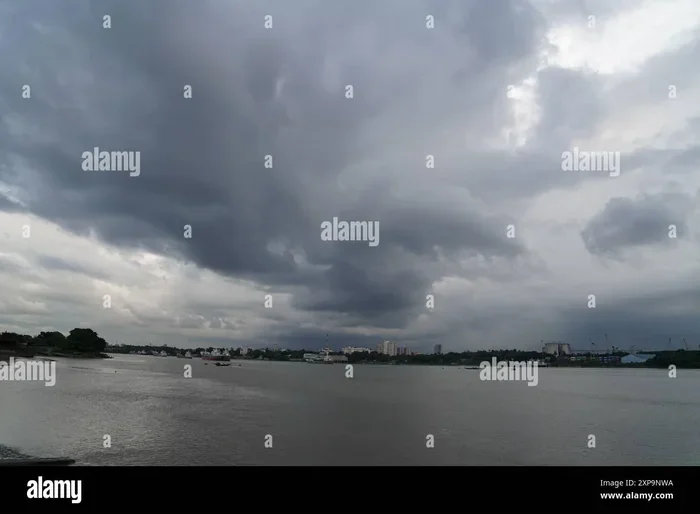
Visual guide about Kolkata cityscape monsoon sky
Image source: c8.alamy.com
Key Takeaways
- Check daily updates: Weather in Kolkata 10 days forecasts change fast, so verify closer to your travel date.
- Know the seasons: Winter, summer, and monsoon each bring distinct temperatures and rainfall patterns.
- Pack for humidity: High moisture levels mean breathable fabrics and rain gear are essential.
- Prepare for heat: Summer days often exceed 35°C, so hydration and sun protection matter.
- Watch monsoon timing: Heavy rains from June to September can disrupt travel plans.
- Use local forecasts: Regional weather services give more accurate city-specific data.
- Plan indoor backups: Keep flexible options for sudden rain or extreme heat days.
[FEATURED_IMAGE_PLACEHOLDER]
Understanding the Weather in Kolkata 10 Days Forecasts
Traveling to Kolkata requires a bit of climate awareness. The weather in Kolkata 10 days forecast gives you a practical window into what to expect. This timeframe is long enough to spot trends but short enough to stay useful. You can plan outfits, book indoor backups, and time your outdoor sightseeing with confidence.
Kolkata sits in eastern India near the Bay of Bengal. This location shapes its climate in big ways. Moisture rolls in from the coast, and seasonal winds drive temperature swings. You will notice hot summers, wet monsoons, and mild winters. Each season changes the daily forecast in clear patterns.
A ten-day outlook helps you see these patterns before you arrive. You can spot rising humidity, approaching rain, or cooling trends. That information matters for packing, transport, and activity planning. It also helps you avoid surprises like sudden downpours or heat waves.
Keep in mind that long-range forecasts are estimates. Weather systems shift, especially during monsoon transitions. Use the ten-day view as a guide, then check shorter updates as your trip nears. This habit gives you the best balance of planning and flexibility.
How to Read a Kolkata 10 Day Weather Forecast
Reading a forecast is easier when you know what to look for. Start with the high and low temperatures. These numbers tell you the daily range you will likely experience. Next, check precipitation chances. A high percentage means rain is likely, not certain, so plan accordingly.
Humidity is another key factor in Kolkata. High moisture makes warm days feel hotter. It also affects how quickly you sweat and how comfortable your clothes feel. Look for humidity percentages alongside temperature readings. This combo gives a clearer picture of real-world comfort.
Wind speed matters too. Strong winds can make cool days feel sharper and can drive rain into short, intense bursts. Calm winds often mean steadier conditions. Pay attention to these details when you review the Kolkata 10 day weather outlook.
Here is a simple way to break down each day:
- Temperature range: Note the morning low and afternoon high.
- Rain probability: Treat higher percentages as a signal to carry cover.
- Humidity level: Expect stickier conditions when numbers climb.
- Wind conditions: Watch for gusty days that may affect travel.
This approach keeps your planning practical. You can match activities to the day’s likely conditions. For example, save outdoor walks for cooler, drier slots. Reserve museum visits or indoor dining for wetter periods.
Temperature Patterns Across the Ten Day Window
Temperature in Kolkata shifts with the season. Winter mornings can start cool, then warm up by afternoon. Summer days often climb quickly, with strong sun by mid-morning. During monsoon months, clouds hold down the highs but keep the air heavy.
In a typical ten-day stretch, you may see steady warmth or a slow cooling trend. The changes are usually gradual, not sudden. That means you can adjust your wardrobe in small steps. Layering works well when mornings and afternoons differ.
Nighttime matters too. Cooler evenings can catch travelers off guard if they only pack for daytime heat. Check the low temperatures so you know what to expect after sunset. This detail helps you plan evening strolls and dinner outings.
Rain and Monsoon Considerations
Rain is a major part of Kolkata’s climate story. The monsoon brings regular showers that can last minutes or hours. Some days stay dry, while others see steady rain. A ten-day forecast helps you see whether wet weather is clustering or scattered.
If rain appears often in the outlook, pack a light umbrella and waterproof shoes. Choose fabrics that dry fast. Keep electronics in sealed bags during wet commutes. These small steps make a big difference in comfort.
Monsoon rain also affects traffic and outdoor plans. Waterlogged streets can slow movement in heavy spells. Build extra time into your schedule when rain is likely. That way, you stay relaxed even if the city slows down for a bit.
Seasonal Breakdown for Better Planning
Kolkata’s weather changes clearly across the year. Knowing the season helps you interpret the weather in Kolkata 10 days forecast with more accuracy. Each period has its own mood, risks, and travel perks.
Winter runs from late October through February. Days are pleasant, and nights can feel crisp. This is a popular time for tourism because the heat is lower and the air feels easier to manage. You may still want a light jacket for early mornings.
Summer spans March through May. Heat builds steadily, and sunny days dominate. Afternoons can feel intense, especially with strong humidity. If you travel in this window, plan outdoor tasks for early hours. Carry water and take breaks in shade or indoors.
Monsoon covers June through September. Rain becomes the main feature, with varying intensity. Skies may look gray for long stretches. The upside is cooler temperatures and lush surroundings. The tradeoff is wet streets and a higher chance of travel delays.
Post-monsoon months can feel transitional. Rains ease, humidity slowly drops, and conditions become more balanced. This period often offers a comfortable mix for sightseeing. It is a good time to watch how the forecast stabilizes before you finalize plans.
What to Expect in Winter Weeks
Winter forecasts usually show comfortable highs and cooler lows. Mornings may require a layer, while afternoons feel mild. Rain is less frequent, though occasional passing showers can still happen. Clear skies are common, which makes this a favorable window for outdoor exploration.
If your ten-day outlook falls in winter, focus on light warmth and sun protection. A hat and sunscreen still matter on bright days. You can enjoy long walks, market visits, and riverfront views with less heat stress. Just keep an eye on evening temperatures so you stay cozy after dark.
Summer Heat and Humidity Tips
Summer forecasts often show high temperatures and strong moisture. The combination can make the air feel heavier than the thermometer suggests. Plan around the hottest part of the day. Early mornings and later evenings are usually more manageable.
Hydration is essential in this season. Drink water regularly, even if you do not feel thirsty. Choose clothing that breathes well and dries quickly. If your forecast shows several hot days, schedule rest breaks and indoor stops between activities.
Packing Smart Based on the Forecast
Packing for Kolkata works best when you follow the forecast instead of guessing. Use the ten-day outlook to shape your luggage list. Focus on versatile items that handle heat, moisture, and sudden rain. A flexible bag makes your trip smoother.
Start with clothing that layers easily. Light shirts, breathable trousers, and a simple cover-up give you options. If the forecast leans cooler, add a light sweater or jacket. If it leans wet, include a compact rain shield and water-resistant footwear.
Footwear matters a lot in a busy city. Choose comfortable shoes that handle walking and occasional wet ground. Sandals can work in dry weather, but closed shoes help during rain or long travel days. Good support matters when you spend hours exploring.
Here is a quick packing checklist:
- Breathable clothing: Light fabrics for warm, humid days.
- Light layer: For cooler mornings or air-conditioned rides.
- Rain gear: Small umbrella or poncho for sudden showers.
- Comfortable shoes: Supportive footwear for long walks.
- Sun protection: Hat, sunglasses, and sunscreen.
- Water bottle: Stay hydrated through busy days.
This list keeps you ready for changing conditions. You can mix and match based on the daily forecast. That flexibility reduces stress and helps you enjoy more of the city.
Essentials for Humid Days
Humid days call for practical comfort choices. Moisture can make clothes cling and skin feel sticky. Pack items that dry fast and feel light on the body. Loose fits often work better than tight styles.
Small comforts help too. Moisture-wicking socks, a portable fan, and a refreshing towel can improve your day. Keep your phone and documents protected from dampness. These details may seem minor, but they add up over several busy days.
Rain-Ready Gear Choices
Rain-ready gear should be light and easy to carry. A compact umbrella fits into most bags without taking much space. A thin rain cover protects your backpack during sudden showers. Waterproof phone storage is also a smart add-on.
Choose shoes that handle wet pavement without slipping. Avoid materials that soak up water and stay heavy. Quick-dry options are better for city travel. With the right gear, rain becomes a small pause instead of a major problem.
Daily Planning Tips for Kolkata Weather
A ten-day forecast is most useful when you turn it into a daily plan. Match your activities to the likely conditions instead of fighting them. This simple habit improves comfort and saves time.
On warmer days, schedule outdoor sights early. Visit parks, markets, or heritage spots before the sun gets strong. Save midday for shaded breaks, meals, or indoor attractions. That rhythm helps you avoid peak heat.
On wetter days, keep a backup list ready. Museums, indoor cafes, shopping complexes, and short taxi rides can fill the gaps. If rain arrives late, you can still shift plans without losing the day. Flexibility is your best travel tool.
Use this simple daily routine:
- Check the morning forecast: Confirm temperature and rain chances.
- Pick one outdoor highlight: Plan it for the best weather window.
- Add an indoor option: Keep it ready in case conditions shift.
- Pack for the day: Carry water, sun cover, and rain protection.
- Review evening conditions: Adjust dinner or night plans if needed.
This routine keeps your trip organized. You can move with the weather instead of feeling surprised by it. Over ten days, that approach creates a much smoother experience.
Balancing Indoor and Outdoor Activities
Balancing activities is key in a climate with changing conditions. Outdoor spots are wonderful when the sky cooperates. Indoor places give you comfort when the weather turns less friendly. A good itinerary includes both.
Think of your day in blocks. Morning may suit a walk or market visit. Midday may suit lunch and a museum. Evening may suit a relaxed outing if the air cools down. This block style makes planning easier and more realistic.
Timing Your Sightseeing Around Heat and Rain
Timing can make or break a day. Heat is usually strongest in the early afternoon. Rain may arrive in bursts or last longer, depending on the season. Watch the forecast and choose your most weather-sensitive plans carefully.
If the outlook shows strong sun, prioritize shade and hydration. If it shows rain, keep travel connections simple and allow extra time. Smart timing helps you enjoy more while feeling less rushed.
Expert Insights for Smoother Travel
Local experience can improve how you use the weather in Kolkata 10 days forecast. The numbers matter, but so does the city’s rhythm. Traffic, street conditions, and seasonal habits all affect how weather feels on the ground.
During heavy rain, some areas may slow down more than others. Short trips can take longer than expected. Keep your schedule loose on wet days. That way, delays do not ruin your plans.
Air-conditioned spaces are a welcome relief in hot weather. Malls, cafes, hotels, and transit stops can help you reset. Use them strategically between outdoor stops. This keeps your energy up through warm days.
Experts also recommend checking updates frequently. A ten-day forecast is helpful, but the nearest few days are usually more reliable. As your trip gets closer, watch for changes in rain chances or temperature trends. Small adjustments can improve your comfort a lot.
Another useful habit is to prepare for the feel of the weather, not just the numbers. High heat with lower humidity feels different from high heat with heavy moisture. The same is true for cool days with wind versus calm days. Reading the full picture helps you choose better.
Common Mistakes to Avoid
A few common mistakes can make weather planning harder than it needs to be. Avoid packing only for one scenario. Kolkata can shift across temperature and rain patterns within a short span. Versatility is safer than extremes.
Do not ignore humidity. It changes how warm days feel and how quickly you tire. Skipping sun protection is another mistake, even on cloudy days. UV rays can still reach you when the sky looks dull.
Avoid overpacking for rare conditions. You do not need heavy winter gear unless your forecast clearly calls for it. At the same time, do not underpack for rain if showers are likely. Balance is the goal.
Here are the main mistakes to skip:
- Packing for only one weather type: Limits your comfort.
- Ignoring humidity: Makes heat feel worse.
- Forgetting sun care: Leaves you exposed on bright days.
- Assuming forecasts are final: They can change as dates get closer.
- Leaving no backup plan: Creates stress when conditions shift.
Quick Tips for a Better Trip
Quick tips can save you time and discomfort. Check the forecast each morning. Wear shoes you can trust on wet or long routes. Carry a small bag with rain cover and water. Keep your plans flexible enough to adapt.
If you are visiting during a hot stretch, slow down between activities. Rest, hydrate, and enjoy indoor breaks. If rain is likely, keep your important items dry and your schedule loose. Small habits make the whole trip easier.
Conclusion
The weather in Kolkata 10 days forecast is a practical tool for smarter travel. It helps you prepare for heat, rain, humidity, and cooler evenings with more confidence. When you read the outlook carefully, you can pack better, plan activities wisely, and stay comfortable across changing conditions.
Use the ten-day view as your starting point, then refine it as your trip approaches. Match your daily plans to the likely weather, and keep a few indoor backups ready. With a flexible mindset and the right gear, you can enjoy Kolkata in almost any season.
The city rewards travelers who come prepared. A little weather awareness goes a long way. Check the forecast, pack for variety, and let the rhythm of the days guide your journey.
Frequently Asked Questions
What does a Kolkata 10 day weather forecast tell me?
It gives you a short-range view of likely temperatures, rain chances, humidity, and general conditions. Use it to plan packing and daily activities, but check closer updates for the most accurate details.
Is the weather in Kolkata 10 days forecast reliable?
It is useful for spotting trends, especially for temperature and rain patterns. However, forecasts can change as the date approaches, so treat it as a guide rather than a final promise.
What should I pack for Kolkata if rain is likely?
Pack a compact umbrella, quick-dry clothing, and water-resistant footwear. It also helps to carry a small rain cover for your bag and protective storage for phones or documents.
How hot does Kolkata get in summer?
Summer days can feel very warm, often with strong sun and high humidity. Early mornings and evenings are usually more comfortable, so plan strenuous activities for cooler parts of the day.
When is the best time to visit Kolkata for mild weather?
Winter months are often considered pleasant for travel, with milder temperatures and less intense heat. Post-monsoon periods can also feel comfortable as rains ease and humidity slowly drops.
How do I handle high humidity in Kolkata?
Wear breathable fabrics, stay hydrated, and take breaks in cooler or air-conditioned places. Light clothing and moisture-friendly gear can make humid days much easier to manage.