
Patanjali Yog benefits for healthy living today are truly incredible for your mind and body. This ancient practice helps you feel calm, strong, and full of energy every single day. You can easily start with simple poses and breathing exercises at home. Many people find that regular practice brings better sleep and less stress. Discover how this gentle path can change your daily wellness routine.
Many people search for Patanjali Yog benefits for healthy living today because modern life feels very fast. We all want more energy, less stress, and a body that feels good. This ancient practice offers a simple path to wellness that anyone can follow. You do not need fancy gear or years of training to start. You just need a quiet space and a few minutes each day.
The practice comes from old Indian wisdom that connects breath, movement, and mind. It focuses on balance rather than extreme effort. That makes it safe for beginners and gentle on joints. You can practice in your home, in a park, or in a small room. The goal is to feel better, not to look perfect. When you approach it with patience, you will notice real changes in your daily life.
Key Takeaways
- Natural Wellness: Patanjali Yog uses simple movements and breath to support your body without any heavy equipment.
- Stress Relief: Regular practice calms your nervous system and helps you handle daily pressure with ease.
- Better Sleep: Gentle stretches and quiet breathing before bed can improve your rest quality quickly.
- Stronger Body: Simple poses build muscle tone and improve your balance over time.
- Mental Clarity: Focused breathing clears your mind and helps you think with more focus.
- Easy Start: You can begin with just ten minutes a day in your living room.
- Long Term Health: Consistent practice supports heart health, digestion, and overall vitality.
📑 Table of Contents
What Makes Patanjali Yog So Special for Daily Wellness
This style of practice stands out because it keeps things simple and natural. It does not push you to stretch too far or hold difficult positions for long. Instead, it teaches you to listen to your body and move with care. That approach helps you build a steady habit without burnout. Many people quit exercise because it feels too hard or too strict. This method avoids that problem by focusing on comfort and consistency.
The practice also blends physical movement with mindful breathing. That combination calms your nervous system and lowers tension. You may notice your shoulders relax and your mind feels quieter after just a few sessions. Over time, these small moments add up to big improvements in your mood and energy. You will feel more present in your daily tasks and less rushed by your schedule.
Simple Poses That Build Strength and Flexibility
You can start with a few basic movements that target your whole body. These poses are easy to learn and safe for most people. They help you move better and feel more stable in your everyday life.
- Mountain pose: Stand tall with feet together and breathe slowly. This builds posture and body awareness.
- Cat and cow stretch: Move on your hands and knees to loosen your spine. This reduces back stiffness and improves mobility.
- Child pose: Rest your forehead on the floor with arms extended or relaxed. This calms your mind and stretches your lower back.
- Warrior stance: Step one foot forward and bend the front knee. This builds leg strength and improves balance.
- Seated forward fold: Sit with legs straight and reach toward your feet. This gently stretches your hamstrings and calms your nerves.
Try to hold each pose for three to five slow breaths. Move gently and never force your body into pain. Small, steady progress works better than pushing too hard. You can repeat these movements daily and adjust them to your comfort level.
Breathing Techniques That Calm the Mind
Breath work is a core part of this practice. It helps you control your energy and quiet your thoughts. When you breathe slowly and deeply, your body receives more oxygen and your heart rate slows down. That creates a natural feeling of peace.
You can practice simple breathing patterns anywhere. Sit comfortably and close your eyes if you want. Inhale through your nose for a count of four. Hold for a moment if it feels good. Then exhale slowly for a count of six. Repeat this cycle for a few minutes. Many people use this technique before work, after a long commute, or before sleep.
Another helpful method is alternate nostril breathing. Use your thumb to close one nostril and breathe in through the other. Then switch sides and breathe out. This pattern balances your energy and helps you focus. It is a great tool when you feel scattered or overwhelmed.
How Patanjali Yog Benefits Your Body and Mind
The Patanjali Yog benefits for healthy living today reach far beyond simple stretching. This practice supports your whole system in a gentle and steady way. You may notice changes in your posture, your mood, and your daily energy. The key is consistency. A short daily session works better than a long session once in a while.
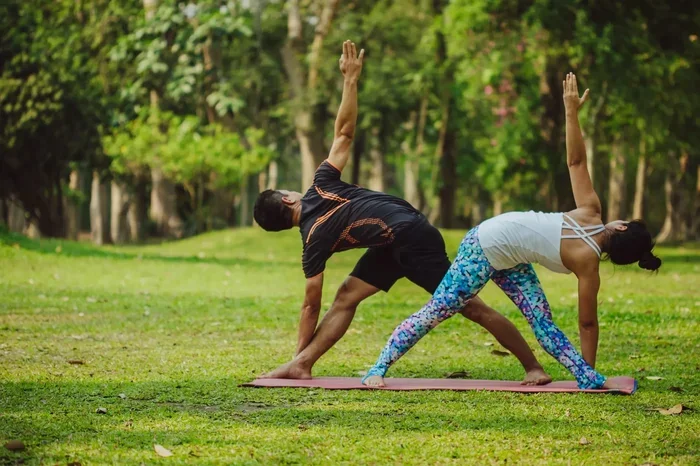
Visual guide about yoga practice healthy living
Image source: res.cloudinary.com
Your body responds well to regular movement and calm breathing. Muscles become more flexible and joints feel smoother. Your circulation improves and your digestion may feel better too. Many people report less tension in the neck and shoulders after practicing for a few weeks. These physical changes make everyday tasks easier and more comfortable.
Your mind also gains a lot from this routine. Focused breathing trains your attention and reduces mental noise. You may find it easier to stay calm during busy moments. Stress feels less heavy when you have a simple tool to return to center. That sense of inner stability can improve your relationships, your work, and your overall outlook.
Better Sleep and Daily Energy
Sleep is one of the first things people notice improving. Gentle movement and slow breathing signal your body that it is time to rest. When you practice in the evening, you release the tension of the day and prepare your mind for sleep. You may fall asleep faster and wake up feeling more refreshed.
Energy levels also tend to rise with regular practice. This may sound surprising because yoga can feel relaxing. However, relaxation and energy work together. When your body is less tense, it uses energy more efficiently. You feel less drained by stress and more ready for daily activities. A short morning session can set a bright tone for the entire day.
Stress Relief and Emotional Balance
Modern life brings many demands and deadlines. It is easy to feel overwhelmed by emails, chores, and responsibilities. This practice gives you a quiet pause in the middle of all that noise. You learn to step back, breathe, and respond instead of react. That small shift can change how you handle difficult moments.
Emotional balance grows when you practice with kindness toward yourself. You do not need to judge your flexibility or compare yourself to others. The mat becomes a safe space to be honest about how you feel. Over time, that self-acceptance spills into the rest of your life. You become more patient, more grounded, and more resilient.
Getting Started at Home With Simple Routines
You do not need a studio or a teacher to begin. You can create a simple routine in your living room and build from there. The best plan is one that fits your schedule and feels enjoyable. Start small and let the habit grow naturally.
Choose a regular time of day that works for you. Morning sessions can wake up your body and clear your mind. Evening sessions can help you unwind and sleep better. Pick a spot with enough space to stretch your arms and lie down. A yoga mat, a blanket, or even a carpet can work fine.
Keep your first sessions short and simple. Ten to fifteen minutes is enough to build a habit. Focus on a few poses and some breathing practice. You can add more later as you feel comfortable. The goal is to show up consistently, not to master everything at once.
A Simple Ten Minute Routine for Beginners
Here is an easy routine you can try today. Move slowly and breathe naturally throughout each step.
- Stand in mountain pose for one minute. Feel your feet on the floor and breathe evenly.
- Move into cat and cow stretch for one minute. Arch and round your spine with your breath.
- Sit into child pose for two minutes. Relax your shoulders and let your breath slow down.
- Step into a gentle warrior stance for one minute on each side. Keep your chest open and your gaze steady.
- Sit comfortably and practice slow breathing for three minutes. Inhale for four counts and exhale for six counts.
- Finish in a quiet seated position for one minute. Notice how your body and mind feel before you move on.
This short routine covers movement, stretch, and breath work. You can repeat it daily or adjust it to your needs. If a pose feels uncomfortable, skip it or make it smaller. Your comfort matters more than perfection.
Common Mistakes to Avoid When You Start
Beginners often make a few simple mistakes that slow their progress. Knowing these pitfalls can help you stay on track and enjoy the process more.
- Rushing through poses: Moving too fast defeats the purpose of calm practice. Slow down and match your breath to your movement.
- Comparing yourself to others: Everyone starts at a different level. Focus on your own body and your own progress.
- Ignoring pain: Mild stretch is fine, but sharp pain is a warning sign. Back off and adjust the pose.
- Skipping breath work: Movement alone is only part of the practice. Breathing brings the calming benefits that make this method special.
- Practicing only when you feel motivated: Motivation comes and goes. A small daily habit works better than waiting for the perfect mood.
If you avoid these common traps, you will build a safer and more enjoyable routine. Patience and consistency will carry you farther than effort alone.
Expert Insights for a Sustainable Practice
Experienced teachers often say that the best practice is the one you actually keep doing. That means it should feel welcoming, not demanding. You can adapt poses, shorten sessions, and change the time of day to fit your life. Flexibility in your routine helps you stay consistent over the long term.
Another helpful insight is to link your practice to a daily habit. You can do a few stretches after brushing your teeth or before your morning coffee. That simple connection makes it easier to remember and repeat. Small anchors like this build strong habits without extra effort.
It also helps to keep a simple note of how you feel after each session. You do not need a long journal. Just a quick note about your energy, mood, or sleep can show you the progress over time. Seeing those small improvements keeps you motivated and focused on the positive changes.
Quick Tips for Long Term Success
- Set a realistic goal, such as ten minutes a day, three days a week.
- Keep your mat visible so you remember to practice.
- Use soft music or silence, whichever helps you relax more.
- Drink water after your session to support your body.
- Celebrate small wins, like better sleep or a calmer morning.
These small habits make your practice feel natural and sustainable. You are building a lifestyle, not chasing a quick fix. That mindset keeps you moving forward with confidence.
Final Thoughts on Your Wellness Journey
The Patanjali Yog benefits for healthy living today come from simple, steady practice that respects your body and mind. You do not need to be flexible or experienced to begin. You only need a willingness to show up and breathe with care. Over time, those small moments create real change in how you feel each day.
Start with a short routine, stay gentle with yourself, and let the habit grow at its own pace. Notice the calm, the better sleep, and the extra energy that follow. This path is open to everyone, and it can fit into even the busiest schedule. Take the first step today and see how a few quiet minutes can brighten your whole life.
Frequently Asked Questions
What are the main Patanjali Yog benefits for healthy living today?
The main benefits include better flexibility, calmer nerves, improved sleep, and more daily energy. Regular practice also supports stress relief and mental clarity. These changes build slowly with consistent practice.
Can beginners practice Patanjali Yog at home safely?
Yes, beginners can practice safely at home by starting with simple poses and gentle breathing. Move slowly, avoid pain, and use a comfortable space. A short daily routine is enough to build confidence and skill.
How long should I practice each day for good results?
Ten to fifteen minutes a day is a great starting point for good results. Consistency matters more than session length. You can increase the time later as your habit grows stronger.
Does this practice help with stress and anxiety?
Yes, slow breathing and gentle movement help lower tension and calm the nervous system. Many people feel more relaxed after each session. Over time, this can support better emotional balance during busy days.
What equipment do I need to start Patanjali Yog?
You only need a comfortable space and a mat or soft surface. Loose clothing that lets you move freely is also helpful. No special equipment or expensive gear is required.
When is the best time of day to practice?
The best time is the one you can stick with regularly. Morning practice can boost energy, while evening practice can support better sleep. Choose a time that fits your schedule and feels easy to repeat.