
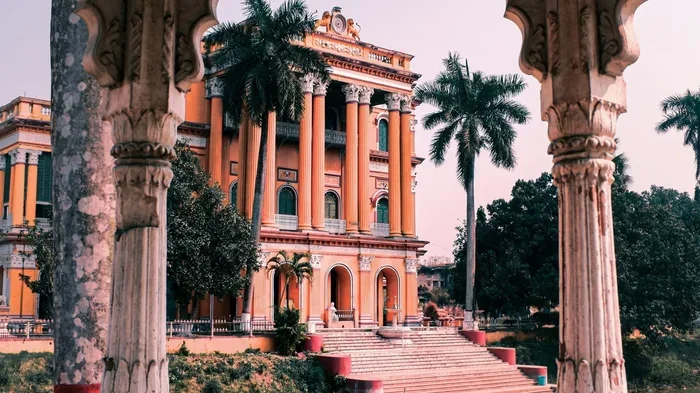
Featured image for Historical Murshidabad palace architecture
Image source: images.travelandleisureasia.com
Murshidabad history reveals a fascinating blend of royal grandeur, political shifts, and deep cultural roots. From the Nawabs of Bengal to British colonial rule, this region shaped eastern India for centuries. You will learn how the Old Capital evolved, why the Hazarduari Palace matters, and what ancient ruins still tell us today. Explore these timeless stories and see why Bengal’s past still lives in every street and monument.
If you love old stories, royal ruins, and places where history feels alive, Murshidabad is a perfect stop. This city sits on the banks of the Bhagirathi River and carries layers of memory from many eras. You can still feel the past in its wide lanes, tall palaces, and quiet burial grounds. The town may look calm today, but it once played a major role in the story of Bengal and India.
Many travelers skip this place because they think it is only about old bricks and dusty records. That idea changes fast once you walk through the streets. You see grand palaces, old mosques, strong forts, and crafts that have survived for generations. The local guides often share small details that bring the past close to life. You do not need a degree in history to enjoy the place. You only need curiosity and time.
In this guide, we will walk through the key moments that shaped this region. We will look at the rise of the Nawabs, the shift to British control, the architecture that remains, and the cultural traditions that still matter. You will also find practical tips for planning a visit and understanding what makes this old capital so special. By the end, you will see why Murshidabad history still matters today.
Key Takeaways
- Royal Legacy: Murshidabad served as the capital of Bengal under the Nawabs, leaving behind palaces, mosques, and gardens.
- Colonial Turning Point: The Battle of Plassey and British control changed the region’s political and economic path forever.
- Architectural Wealth: Hazarduari Palace, Katra Masjid, and the Clock Tower showcase a unique mix of Indian and European styles.
- Cultural Roots: Silk weaving, ivory craft, and traditional festivals continue to reflect the area’s artistic heritage.
- Living History: Many old structures remain preserved, offering a real journey into Bengal’s past for travelers and students.
- Spiritual Heritage: Ancient temples, Sufi shrines, and historic burial sites highlight the region’s diverse faith traditions.
- Travel Value: A visit here connects you with old-world charm, local food, and stories that bring Indian history to life.
📑 Table of Contents
- The Rise of Murshidabad as the Capital of Bengal
- The Nawabs of Bengal and Their Royal Legacy
- The Battle of Plassey and the Colonial Shift
- Architectural Treasures and Heritage Sites
- Culture, Crafts, and Everyday Life in Murshidabad
- Traveling Through Murshidabad History Today
- Why Murshidabad History Still Matters
The Rise of Murshidabad as the Capital of Bengal
The story begins with power, strategy, and a smart choice of location. In the early eighteenth century, the Nawab of Bengal chose this town as his seat of rule. The river helped with trade and movement. The land also offered space for large palaces, courts, and military setups. This decision turned a modest area into a center of administration and culture.
Why the Nawabs chose this town
The Nawabs needed a place that could support their court and their trade links. The Bhagirathi River made transport easier. Merchants could move goods with less trouble. Officials could travel and send messages faster. The town also sat at a useful point for controlling the surrounding region. For a ruling class focused on authority and income, this location made strong sense.
The shift also reflected changing politics. Earlier power centers lost strength, and new leaders wanted their own base. By building a grand capital here, the Nawabs showed confidence. They created courts, administrative offices, and religious structures. They also encouraged art, craft, and building work. The town grew with a mix of practical needs and royal ambition.
How the city developed under early rule
As the capital expanded, different quarters took shape. Royal buildings appeared near the river. Markets grew to serve traders and officials. Residential areas spread around the main roads. The town became more than a political center. It also became a place where people lived, worked, and built community life. You can still sense this layered growth when you walk through the older parts of the city.
The Nawabs also supported public works. They helped build places of worship and resting spots for travelers. They arranged for roads, gardens, and open spaces. These projects gave the town a more organized feel. They also made daily life smoother for residents and visitors alike. In many ways, the early capital was designed to look strong and function well.
Quick Tip: When you explore the old quarters, look for the layout of streets and the placement of large structures. The city plan still shows the thinking of early planners who wanted both beauty and control.
The Nawabs of Bengal and Their Royal Legacy
The Nawabs left a strong mark on the region. Their era brought wealth, style, and a distinct court culture. The rulers lived in large palaces and supported a wide circle of officials, artists, and servants. Their lifestyle mixed local traditions with outside influences. This blend gave the town a unique royal character.
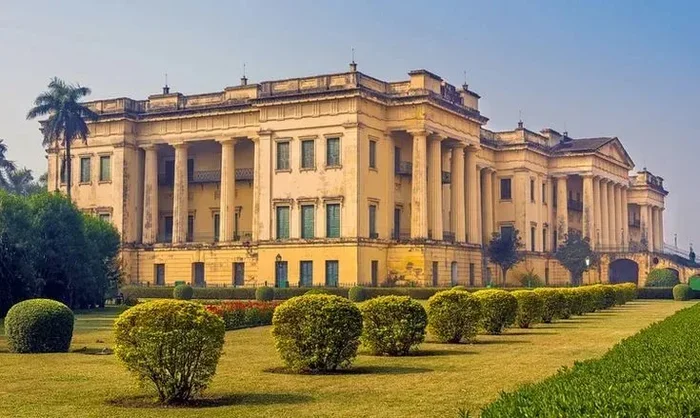
Visual guide about Historical Murshidabad palace architecture
Image source: i.pinimg.com
Palaces, courts, and royal life
Royal life here was not only about luxury. It also involved administration, ceremonies, and public display. The court handled matters of revenue, law, and diplomacy. The palace was a working center, not just a home. Many buildings from this period show careful design. They include large halls, wide staircases, and decorated surfaces that reflect status and taste.
The Nawabs also cared about presentation. They wore fine clothes, used rich textiles, and supported skilled craftspeople. Local artisans produced works that matched the court’s standards. Over time, the town became known for certain handicrafts and luxury goods. These products helped the region gain attention beyond its borders.
Art, craft, and patronage
Patronage played a big role in shaping local culture. When rulers support artists, the whole town benefits. Skilled workers found steady demand. Designs improved. Styles evolved. This environment helped crafts like weaving and decorative work gain strength. Even today, many people remember the region for its handmade goods and traditional skills.
The court culture also encouraged music, poetry, and social gatherings. Such events brought people together and created a lively atmosphere. They gave the capital a sense of identity. The royal presence made the town feel important, and that feeling stayed in public memory for a long time.
Common Mistake: Many visitors expect only palaces and forget the wider court life. The real story includes trade, administration, craft, and daily routines, not just royal grandeur.
The Battle of Plassey and the Colonial Shift
The year 1757 changed the direction of the region. The Battle of Plassey became a turning point in Indian history. It brought the British East India Company into a stronger position in Bengal. After this shift, the old balance of power moved toward colonial control. The town’s role changed with the larger political picture.
What changed after Plassey
Before the battle, local rulers held major authority. After the battle, the Company gained influence over revenue and governance. This change did not happen overnight, but it reshaped the region steadily. The new power structure altered trade, administration, and land control. Many old systems had to adapt to foreign rule.
The town also felt the impact of shifting priorities. Political focus moved as the British strengthened their hold. Some buildings lost their earlier importance. Other structures gained new uses. The city continued to exist, but its role in the wider empire changed. You can trace this change in the way different eras left their marks on the same place.
How British rule reshaped the region
British control brought new systems and new needs. Courts, tax collection, and trade networks were reorganized. Roads and communication routes gained more attention. The old capital no longer served as the main seat of power, but it remained historically important. People still saw it as a place filled with memory and meaning.
This period also created a mixed legacy. Some parts of the town show colonial influence. Other parts preserve older forms. The result is a place where different chapters of history sit side by side. That is one reason the area attracts people who want to understand how power, trade, and culture changed over time.
Expert Insight: Historians often note that Plassey was not just a military event. It also changed economic patterns and local authority. When you visit, try to see both the political story and the everyday impact on people and trade.
Architectural Treasures and Heritage Sites
The buildings here tell their own stories. Some structures are large and dramatic. Others are quiet and delicate. Together, they show how different communities and rulers expressed power, faith, and taste. You do not need to be an architecture expert to enjoy them. You only need time to look closely.
Hazarduari Palace and its stories
Hazarduari Palace is one of the most famous landmarks in the area. People often visit it to see the scale, the design, and the collections inside. The name itself sparks curiosity. The palace reflects a period when rulers wanted to display strength and refinement. Its halls, doors, and wide spaces give a sense of royal ambition.
Inside, visitors can find objects that connect to the past. These may include furniture, decorative items, and records that help explain court life. The building also serves as a reminder that history is not only in books. It is also in walls, floors, and the objects people once used every day.
Katra Masjid and the Clock Tower
Katra Masjid stands as another important site. It reflects the religious and architectural traditions of the time. The structure draws attention for its size and its historical value. Many people also appreciate the way it fits into the larger landscape of the town. It is a place where faith and history meet.
The Clock Tower is another well-known landmark. It adds a distinct visual element to the cityscape. Landmarks like this help people orient themselves in the old city. They also remind visitors that the town once functioned as a busy administrative center with public buildings and open spaces.
Forts, temples, and burial sites
The region also contains other meaningful structures. Fort-like structures and defensive works show the need for protection in earlier times. Temples reflect local religious life and community values. Burial sites and mausoleums preserve the memory of important figures. Each type of structure adds a different layer to the story.
When you move from one site to another, you notice how varied the heritage is. Some places feel grand. Others feel personal. Some were built for public use. Others served specific families or communities. This variety makes the town feel rich and multi-layered.
Quick Tip: Do not rush from one monument to the next. Spend a few minutes at each place and notice the details. Small features often reveal the most about the time when the building was made.
Culture, Crafts, and Everyday Life in Murshidabad
History is not only about rulers and buildings. It is also about the people who lived, worked, and created traditions. This region has long been known for its handmade products and local skills. Even now, craft and culture form an important part of the area’s identity.
Silk, ivory, and traditional crafts
Silk weaving has special importance here. The region became associated with fine textiles and careful craftsmanship. Many people value these products for their texture, design, and local character. Craft traditions also gave workers a sense of pride and continuity. When a skill passes from one generation to the next, it becomes part of the town’s memory.
Other crafts also developed over time. Decorative work, woodcraft, and small handmade items reflected local taste. These goods supported households and markets. They also helped the town connect with wider trade networks. In many cases, craft was both art and livelihood.
Festivals, food, and local traditions
Local life also grew around festivals and shared customs. Community events brought people together. Religious observances, seasonal celebrations, and family gatherings shaped the rhythm of the year. Food played a central role in these moments. Traditional dishes, local spices, and familiar recipes helped define the region’s flavor.
The everyday culture of the town is just as important as its monuments. Markets, lanes, and neighborhood spaces still carry traces of old routines. People meet, trade, pray, and celebrate in ways that connect present life with the past. This living culture makes a visit more meaningful.
Common Mistake: Some travelers focus only on monuments and miss the living culture. The best experience comes when you combine heritage sites with local food, markets, and conversations.
Traveling Through Murshidabad History Today
If you plan to visit, it helps to think of the trip as a journey through time. You can explore palaces, religious sites, craft areas, and quiet streets. Each stop adds a piece to the larger picture. A good plan keeps the trip relaxed and open to discovery.
Best time to visit and how to plan
The weather matters when you plan outdoor walking. A cooler season usually makes sightseeing easier. Try to give yourself enough time to move slowly. This place rewards patience. You will notice more if you do not rush from one site to another. It also helps to carry water, wear comfortable shoes, and keep your schedule flexible.
It is also smart to group sites by location. That saves time and reduces travel stress. Start with the major landmarks, then explore smaller lanes and local markets. This order gives you both the big story and the smaller details. You may also find that guides or local conversations add useful context.
What to look for on the ground
Look for signs of different eras in the same neighborhood. An old wall may stand near a newer shop. A historic doorway may lead into a busy lane. These contrasts show how the town has kept changing while preserving memory. Pay attention to textures, shapes, and local usage. They often tell you more than a quick glance suggests.
Also, listen to the local stories. People often know small facts that are not written in guidebooks. A shopkeeper, a driver, or a guide may share a detail that makes a place feel real. That kind of knowledge helps history feel close and human.
Key Takeaways:
- Plan a slow visit so you can notice architectural details and local life.
- Combine major monuments with markets, food, and conversations for a fuller experience.
- Use the layout of the old city to understand how power, trade, and daily life once worked.
- Respect local customs and heritage sites while exploring.
Why Murshidabad History Still Matters
This region matters because it holds more than one chapter of Indian history. It reflects royal rule, political change, colonial influence, and local resilience. It also shows how culture survives even when power shifts. For students, travelers, and curious readers, it offers a clear view of how places carry memory.
The town also reminds us that history is not frozen. It lives in buildings, crafts, food, language, and daily habits. When you understand Murshidabad history, you understand more than a list of dates. You see how people built, ruled, traded, worshipped, and adapted. That makes the past feel useful, not just old.
If you ever get the chance to go there, take it slowly. Let the streets, monuments, and local voices guide you. The more time you spend, the more the place will speak. And the more it speaks, the more you will understand why this old capital still holds such a strong place in Bengal’s story.
Frequently Asked Questions
What is Murshidabad history known for?
Murshidabad history is known for its time as the capital of Bengal under the Nawabs, its royal palaces, and its role during the colonial shift after the Battle of Plassey.
Why was Murshidabad important in the past?
It became important because it served as a major political center, supported trade through the river, and hosted courts, markets, and cultural life under Nawab rule.
Which places should I visit to understand its history?
You should visit Hazarduari Palace, Katra Masjid, the Clock Tower, and other old monuments, temples, and burial sites that show different periods of the region’s past.
What traditional crafts is the region famous for?
The region is often associated with silk weaving, decorative handicrafts, and other handmade products that reflect local skill and long-standing traditions.
How did British rule affect the area?
British rule changed administration, trade, and land control after Plassey, and it gradually shifted political power away from the old capital while leaving behind a mixed historical legacy.
What is the best way to explore the town?
The best way is to plan a slow visit, combine major heritage sites with local markets and food, and allow time to notice small architectural and cultural details.