
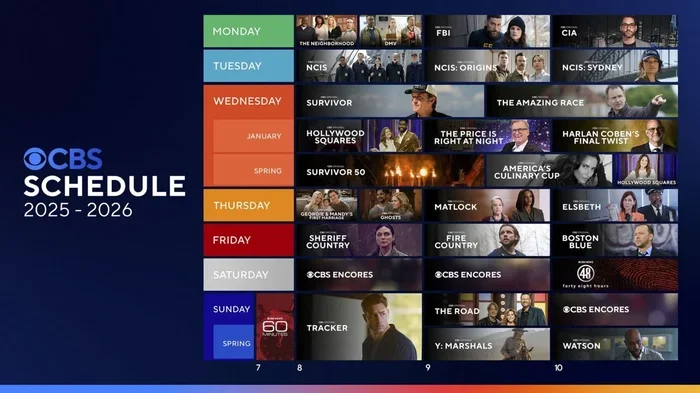
Featured image for how to TV show release schedule calendar
Image source: tvinsider.com
If you want to find the next episode release date quickly, start with the show’s official page and confirm the schedule across trusted sources. Use calendar alerts, notifications, and simple tracking habits so you never miss a new installment. This guide shows you the fastest, most reliable way to stay updated.
If you love a show, nothing feels worse than missing the newest episode. You check your usual apps, scroll through your feed, and still do not know when the next installment drops. That is frustrating, especially when everyone else seems to be talking about it already. The good news is that you can learn how to find the next episode release date fast without wasting time on guesswork.
This guide walks you through a simple system for finding release dates, confirming them, and setting up reminders so you stay on track. You will learn where to look first, how to compare sources, and what to do when the schedule changes. The goal is to make the process quick, reliable, and easy enough to repeat every week.
📑 Table of Contents
- Start With the Official Source
- Use Streaming Platforms and Network Schedules
- Check Official Social Media and Newsletter Updates
- Set Up Alerts and Reminders
- Compare Multiple Reliable Sources
- Understand Time Zones and Local Schedules
- Track the Show Like a Pro
- Handle Schedule Changes and Delays
- Avoid Common Mistakes When Checking Release Dates
- When to Double-Check Before Watching
- Conclusion
Start With the Official Source
The fastest way to find a release date is to begin where the show is officially announced. Official sources usually have the most accurate schedule because they are connected directly to the people planning the episodes. That could be a network website, a streaming platform page, a production company page, or the show’s verified social account.
When you open the official page, look for a schedule section, episode guide, or news update. Many shows list the upcoming episode title, air date, or streaming release time right there. If you see a schedule, save it. If you do not see one, check the page for a newsletter signup or notification option, because those updates often include release announcements.
Check the show’s homepage or episode guide
A show’s homepage often includes the most visible release information. Look for a section that lists current or upcoming episodes. Sometimes the page shows only the most recent episode, so you may need to open an episode guide or archives section to see what comes next.
Look for network or platform scheduling details
If the show airs on television, the network schedule is a strong place to confirm the date and time. If it is on a streaming service, the platform may list the release day or show a countdown. Either way, the official schedule is usually more dependable than random posts or comments.
Use Streaming Platforms and Network Schedules
Streaming services and television networks are often the best places to confirm when an episode becomes available. These platforms know the release plan, and many of them display it directly on the show page. If you already watch the show through a specific app or website, start there before searching elsewhere.
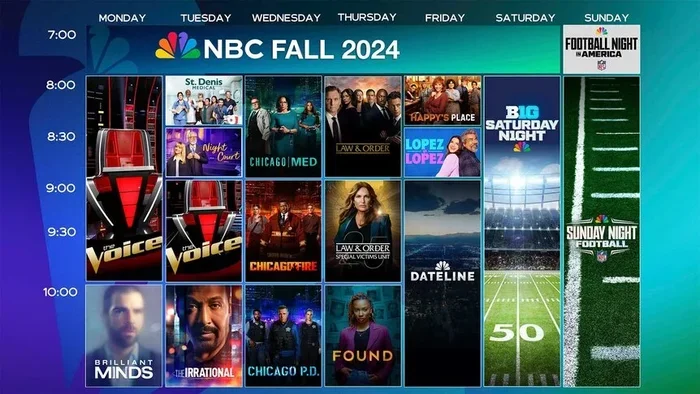
Visual guide about how to TV show release schedule calendar
Image source: nbc.com
Some platforms release episodes all at once, while others release them weekly or on a specific day. That difference matters because it changes how you should look for the next episode. A weekly show may have a consistent release day, while a binge-released show may not have a traditional “next episode” schedule at all.
Confirm whether episodes are weekly or batched
Before you assume the next episode arrives on a certain day, check whether the show follows a weekly schedule or releases multiple episodes together. Weekly shows are easier to track because they usually arrive on the same day each week. Batched releases may make it look like there is no upcoming date, even though more episodes are already available.
Check the platform’s release notes or show updates
Some services include small updates under the show description, in a news section, or inside the app’s notification settings. These updates can tell you when a new episode is scheduled or when the release plan changes. If the platform offers notifications, enable them so you do not have to keep checking manually.
Check Official Social Media and Newsletter Updates
Official social accounts can be helpful when a show does not maintain a detailed schedule page. Many creators and networks post reminders before a new episode appears. They may also share behind-the-scenes updates, premiere dates, or schedule adjustments. The key is to make sure the account is official, not a fan page.
Newsletters can be even more useful if you want fewer surprises. When a show sends direct emails, the release date may arrive in your inbox before it shows up anywhere else. That makes newsletters a smart option if you follow several shows and want one reliable place for updates.
Verify that the account is authentic
Before you trust a social post, check for signs that it is the real account. Official accounts often link back to the main website, use verified badges where available, or post from consistent handles. If a post looks unofficial, compare it with the show’s main page before relying on it.
Use newsletters for direct release alerts
If the show offers a mailing list, subscribe to it. Newsletters can save time because they bring the announcement to you instead of forcing you to search repeatedly. They can also include reminders about time zones, special events, or schedule changes.
Set Up Alerts and Reminders
Once you know the release date, the next step is making sure you remember it. A reminder removes the stress of checking over and over. You can use your phone, calendar app, streaming notifications, or a simple note in your daily routine. The best system is the one you will actually notice.
A good reminder should include the date, the time, and the show name. If you know the time zone matters, add that too. For example, you might set a reminder for the evening before the episode arrives, then another for the release time itself. That way, you have both a heads-up and a final alert.
Use phone reminders and calendar events
Phone reminders are simple and effective. Create a calendar event with the show name and release time, then set an alert for a few hours before and again at the start time. If you use a shared family calendar, you can even coordinate with other viewers so everyone knows when to tune in.
Enable platform and app notifications
If the streaming service or network app allows notifications, turn them on. These alerts can tell you when an episode is ready, when it is about to begin, or when the schedule has changed. Just make sure the notification settings are actually enabled for that specific show or category.
Compare Multiple Reliable Sources
Even when one source looks clear, it helps to compare a few trusted places. Schedules can be updated, and sometimes one page lags behind another. By checking more than one reliable source, you reduce the chance of relying on outdated information.
A good comparison habit is to look at the official page first, then confirm with a platform schedule or verified announcement. If the dates match, you can feel confident. If they do not match, wait for clarification instead of guessing. That small pause can save you from showing up too early or missing the real release.
Match the date across at least two sources
When possible, confirm the release date in two places that are likely to be accurate. For example, check the show’s official page and the platform or network schedule. If both say the same thing, the information is more trustworthy.
Look for the most recent update
Newer updates usually matter more than older ones. If one source was updated recently and another has not been changed in a while, the recent one is more likely to reflect the current schedule. Always pay attention to dates on announcements as well as the announcement itself.
Understand Time Zones and Local Schedules
Release times can be confusing because they are not always written for your local clock. A show may announce a time in one region, then viewers in other regions have to convert it. That is why it helps to check not just the date, but also the time zone and your local equivalent.
If a release is tied to a broadcast schedule, your local channel lineup may affect when you can watch it. If it is a streaming release, the platform may make the episode available at midnight, morning, or another set time in a specific region. Either way, confirming the local time keeps you from missing the moment it appears.
Convert the announced time to your local time
If the release time is listed in a different time zone, use a time converter or calendar tool to find your local version. This is especially useful for international shows or services that publish times in one standard region. A quick conversion can prevent confusion.
Check whether your region has a different release pattern
Some shows release at different times in different places. In some cases, a local broadcast may lag behind the streaming release. In other cases, the platform may release everything at the same time worldwide. Checking your region’s pattern helps you know what to expect.
Track the Show Like a Pro
If you follow more than one show, a simple tracking system can save a lot of time. Instead of checking each show randomly, you can keep all your release dates in one place. That makes it easier to plan your week and avoid duplicate checking.
You do not need a complicated setup. A basic list, spreadsheet, or calendar can work well. The important part is consistency. When you add a new show, record the release day, the source you used, and any notes about schedule changes. Over time, that habit becomes a reliable personal guide.
Keep a simple episode tracker
Create a list with the show name, the usual release day, and the place where you confirmed the schedule. If the show changes timing often, add a note about that too. A tracker like this helps you spot patterns and spot problems faster.
Review your schedule before each release week
A quick weekly check can prevent missed episodes. Look at your tracker, confirm the date, and make sure your reminders are still set. This is especially useful during busy weeks, holidays, or seasons when schedules shift more often.
Handle Schedule Changes and Delays
Even when you do everything right, release dates can still change. A show may move an episode, delay a season, or shift a time for special programming. When that happens, the best response is to check the official update and adjust your reminders.
Do not rely on old screenshots or outdated notes if the schedule has changed. Refresh the official page, look for a new announcement, and update your calendar if needed. If you follow a show closely, it helps to check near the release date instead of assuming the original plan is still in place.
Watch for holiday and special event shifts
Holidays, sports events, breaking news, and other special programming can interrupt regular release patterns. If a show usually airs on a certain night, do not be surprised if the date moves during a busy broadcast week. Checking closer to the expected date is a smart habit.
Update your reminders when plans change
If the release date moves, change your reminder right away. A stale alert can create confusion and make you think an episode is coming when it is not. Keeping your reminders current is one of the easiest ways to stay accurate.
Avoid Common Mistakes When Checking Release Dates
A lot of confusion comes from using the wrong sources or assuming the schedule has not changed. Some people trust fan speculation, old posts, or unofficial pages without checking the original announcement. Others forget to account for time zones or platform differences. These small mistakes can lead to missed episodes or wasted time.
The fix is simple: use trusted sources, confirm the timing, and verify before you set your routine. If something looks uncertain, pause and double-check. It is better to spend a minute confirming than to plan around the wrong date.
Do not rely on unverified fan claims
Fan posts can be fun, but they are not always accurate. Someone may guess a release date, repeat an old schedule, or share a rumor that has not been confirmed. Use fan discussion for excitement, but use official information for planning.
Do not assume every show follows the same pattern
Different shows use different release habits. One may drop episodes every Friday, while another may change its schedule from season to season. Always check the current plan instead of assuming the old one still applies.
When to Double-Check Before Watching
There are a few moments when a second check is worth it. If the release is important to you, verify it the day before and again near the expected time. This is especially helpful when a show has a history of schedule changes or when you are trying to coordinate with friends or family.
A final check can also help when a platform is slow to update its interface or when a network has been changing its lineup. If the information seems inconsistent, look for the most recent official update and use that as your main reference.
Do a final confirmation close to release time
A quick last look before the episode is due can catch late changes. If the schedule still matches, you can relax and wait for the release. If it does not, you have time to adjust.
Keep your sources organized for the next episode
After you find the release date, save where you found it. That way, the next time you need to check, you already know which source is most reliable for that show. Building that habit makes the process faster each time.
Conclusion
Learning how to find the next episode release date fast is mostly about using the right order: start with the official source, confirm it on a reliable platform or network schedule, and then set a reminder so you do not have to keep checking. When you add a simple tracking habit and pay attention to time zones and schedule changes, the whole process becomes much easier.
The best routine is the one that fits your watching style. Some people only need a calendar alert. Others want notifications, newsletters, and a short weekly review. Whatever you choose, consistency matters more than complexity. With a few smart steps, you can stay updated, avoid confusion, and be ready when the next episode arrives.