
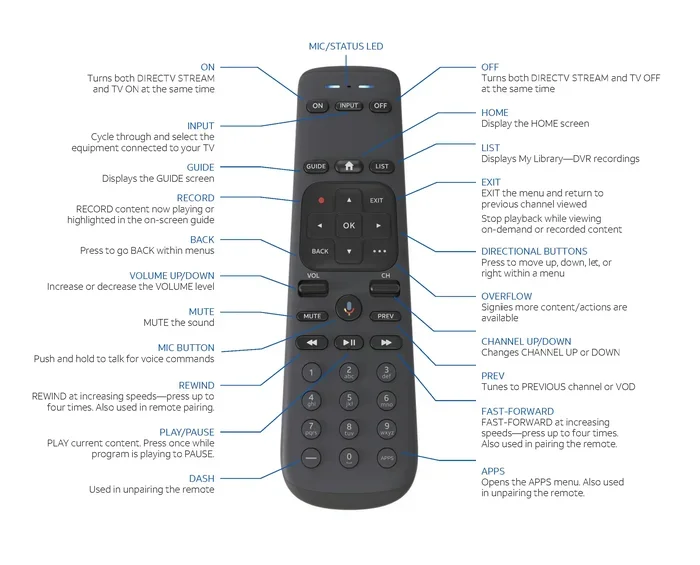
Featured image for how to American television streaming remote
Image source: att.com
Finding great new American TV shows does not have to feel overwhelming. With the right tools, habits, and viewing strategies, you can uncover hidden gems and trending series without wasting hours on guesswork. This guide shows you how to discover new shows fans love and build a smarter, more enjoyable watchlist.
Finding new American TV shows can feel strangely hard, even when there are more options than ever. You open a streaming app, scroll for a while, and then close it without picking anything. That is frustrating, especially when you know there are great series waiting to be discovered. The good news is that discovering new shows does not have to be random. With a few simple habits, you can build a system that helps you find series you actually want to watch.
In this guide, you will learn how to discover new American TV shows fans love without relying on luck. You will see how to narrow down your options, use the right tools, and pay attention to the signals that help a show stand out. By the end, you will have a practical routine for finding fresh series, testing them quickly, and building a watchlist you can trust.
This is not about chasing every trending title or watching only what everyone else is talking about. It is about finding shows that fit your mood, your interests, and your available time. That difference matters. A show can be popular and still not be right for you. A lesser-known series can also become your next favorite. The goal is to make discovery easier, smarter, and more personal.
If you have ever felt stuck in a loop of scrolling through the same apps, this guide will help you break out of it. You will learn how to use genre preferences, release schedules, audience reactions, and simple viewing tests to make better choices. You will also learn how to avoid common discovery mistakes that waste time and lead to disappointment.
Let’s get started with a simple approach that works for both casual viewers and people who want to stay on top of new series all year long.
📑 Table of Contents
- Step 1: Know What Kind of Show You Want
- Step 2: Use Streaming Platforms and Recommendation Tools Wisely
- Step 3: Follow the Release Calendar and TV Seasons
- Step 4: Read Reviews and Audience Reactions Carefully
- Step 5: Sample Shows Before Committing
- Step 6: Build a Better Watchlist
- Troubleshooting: When Discovery Still Feels Hard
- Conclusion
Step 1: Know What Kind of Show You Want
The easiest way to discover new American TV shows is to begin with a clear idea of what you enjoy. Without that starting point, every recommendation feels equally possible and equally overwhelming. When you know your preferences, you can filter out noise and focus on shows that have a real chance of clicking with you.
Start by thinking about the last few series you genuinely liked. Ask yourself what made them work. Was it the humor, the suspense, the character dynamics, or the pacing? Sometimes the answer is simple. Other times, it helps to break the show down into smaller parts. A series you loved might have had a strong ensemble cast, a tight episode length, or a world that felt immersive. Those details matter because they help you repeat the experience with new shows.
Identify your core genre preferences
Genre is one of the fastest ways to narrow your search. If you enjoy crime stories, you may want to look for mystery, thriller, or procedural series. If you prefer lighter viewing, comedy, romantic comedy, or workplace series may fit better. If you like emotional depth, dramas and character-driven stories may be the best place to look.
It also helps to think beyond broad genres. A comedy series can be sarcastic, sentimental, absurd, or family-centered. A drama can be intimate and slow or fast and event-driven. The more specific you are, the easier it becomes to find new American TV shows that match your taste instead of just sitting in the right general category.
Think about tone, pacing, and episode length
Tone can matter just as much as genre. Some viewers want something optimistic and warm. Others want dark, tense, or morally complicated stories. Pacing is another useful filter. If you like quick movement and frequent turns, a slow-burn series may not be the best fit. If you prefer gradual buildup and deeper character work, a show with a lighter plot may feel more rewarding.
Episode length also affects how easy a show is to watch. Some series are designed for short, focused episodes. Others use longer episodes that allow more time for worldbuilding and subplots. Knowing what you want here can save you from starting a show that feels right in theory but awkward in practice.
Build a simple preference profile
You do not need a complicated system. A short list is enough. For example, you might note that you prefer character-driven stories, enjoy suspense without extreme violence, like a mix of humor and drama, and usually want episodes under an hour. That small profile gives you a filter you can use every time you search for something new.
The goal is not to limit yourself too tightly. It is to give your discovery process a direction. When you know what you usually enjoy, you can explore with more confidence and less guesswork.
Step 2: Use Streaming Platforms and Recommendation Tools Wisely
Streaming services can be helpful for discovering new American TV shows, but only if you use them intentionally. Their suggestion systems are built to keep you watching, which means they often lean on what you have already seen. That can be useful, but it can also trap you in a narrow loop. The trick is to treat these tools as a starting point, not the final answer.
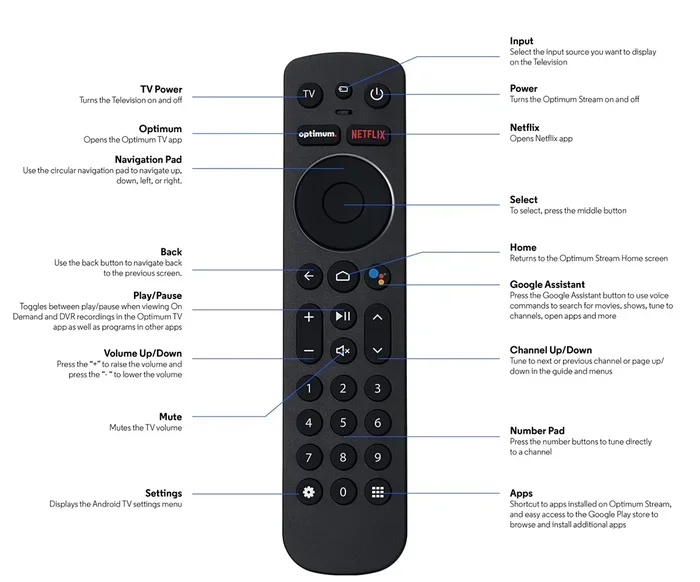
Visual guide about how to American television streaming remote
Image source: static.tvlistings.optimum.net
A good first move is to look at the curated sections inside your streaming apps. Many platforms create collections around mood, theme, genre, or popularity. These can be handy when you want something specific, such as a fast-paced thriller, a comforting comedy, or a new drama that has been getting attention. Instead of scrolling endlessly, browse the curated lists and see which titles spark interest.
Look beyond the homepage suggestions
Homepage suggestions are convenient, but they are not always the best reflection of what is available. You will often find stronger options by searching within a genre or theme you already like. If you enjoy legal dramas, for instance, explore that category directly. If you like sci-fi storytelling, search for series in that space and sort through them with your preferences in mind.
This approach helps you take more control. You are still using the platform’s library, but you are not relying only on what the app thinks you should watch next. That makes discovery more personal and less repetitive.
Use external review and recommendation sites
Sometimes the best way to find new American TV shows is to look outside the streaming apps entirely. Review sites, editorial lists, and curated recommendations can introduce you to series you would not have noticed on your own. These sources often group shows by theme, tone, or audience appeal, which makes it easier to compare options.
When you use these sources, focus on ones that explain why a show is worth watching. A list title alone is not very helpful. What matters is the reasoning. Does the show have strong characters? Is it known for smart writing? Does it fit a certain mood? Those details help you decide whether a recommendation is relevant to you.
Check community discussions
Fan communities can also be a valuable discovery tool. People often discuss shows in detail, share similar recommendations, and explain what they liked or disliked. This can be especially useful when you want to hear how a series plays in practice, not just how it is marketed.
Look for discussions that focus on specific elements rather than vague praise. A conversation about pacing, character development, or episode structure is usually more useful than a simple statement that a show is good. Community reactions can help you spot series that have loyal viewers and a strong emotional payoff.
Step 3: Follow the Release Calendar and TV Seasons
Another useful way to discover new American TV shows is to pay attention to when shows are released. Television is often organized around seasons, premiere windows, and renewal cycles. If you understand that rhythm, you can spot fresh series at the right moment instead of hearing about them long after the conversation has moved on.
Many viewers wait until a show becomes impossible to ignore. That can work, but it also means missing the early excitement. If you follow announcements, premiere dates, and seasonal launches, you can get in near the beginning and decide for yourself whether a series deserves your attention.
Know when new shows usually arrive
American television tends to follow predictable patterns, even though the exact schedule varies by platform and genre. Some series launch in the fall, while others arrive in the winter or spring. Some streaming shows drop all at once, while others release episodes week by week. Knowing these patterns helps you plan ahead and keep an eye on shows that match your interests.
If you prefer weekly viewing, a show with a steady episode release may feel more engaging. If you like bingeing, a full-season drop may be a better fit. Either way, being aware of the release style helps you choose how to watch, not just what to watch.
Track shows you want to try
A simple tracking habit can make a big difference. Keep a short list of shows you want to sample, along with a note about why each one caught your attention. That way, when a new season begins or a fresh series launches, you do not have to start from zero. You already have a shortlist ready.
This is especially helpful if you are trying to discover new American TV shows without feeling rushed. Instead of making last-minute decisions, you can choose from a few options that you have already thought about. That reduces decision fatigue and makes viewing feel more intentional.
Watch for renewals, cancellations, and buzz
Release schedules are useful, but so is understanding how a show is landing with viewers and critics. A series that is renewed often may have a strong following. A show that generates steady conversation may be worth checking out even if you have not heard much about it yet. On the other hand, some buzz is short-lived, so it helps to look for reasons behind the excitement.
The key is to use buzz as one signal, not the only one. A show can be talked about for many reasons, and not all of them mean it is right for you. Combine release timing with your own preferences and a quick sample before committing.
Step 4: Read Reviews and Audience Reactions Carefully
Reviews and audience reactions can be very helpful when you are trying to discover new American TV shows, but they are easiest to use when you know what to look for. A review that simply says a show is great is not especially useful. A review that explains what kind of viewer will enjoy it is much better.
When you read reviews, pay attention to the reasons behind the opinion. Does the reviewer mention writing quality, acting, pacing, humor, or emotional impact? Does the review describe who the show is best suited for? Those details help you decide whether the series fits your preferences.
Look for specifics, not just praise
Specific feedback is usually more reliable than broad praise. If a reviewer says a show has strong dialogue, believable characters, or a satisfying rhythm, that gives you something concrete to consider. If a review only calls a series amazing, you have less to work with.
This does not mean you should ignore enthusiastic reactions altogether. It just means you should look for the why behind them. That is often where the real value lies.
Compare different viewpoints
It helps to read more than one opinion before deciding. One viewer may love a show because it is emotional and character-driven. Another may dislike the same show because it feels slow. Both perspectives can be useful, because they reveal different sides of the same series.
When you compare viewpoints, ask yourself which reviewer sounds most like you. If their tastes match yours, their opinion may be a stronger guide. If not, take the information but keep your own preferences in mind.
Use reactions as a filter, not a verdict
Audience reactions are best used as a way to narrow options. They can help you avoid shows that clearly clash with your taste, and they can point you toward series that seem promising. But they should not replace your own judgment. A show that works for many people may still not work for you, and that is normal.
The smartest approach is to combine reviews, community reactions, and your own preference profile. That gives you a fuller picture before you commit to watching.
Step 5: Sample Shows Before Committing
One of the best habits for discovering new American TV shows is sampling before you commit. You do not need to promise yourself that every show you start will become a full watch. In fact, it is often better to treat the first episode or two as a test. That way, you can decide whether a series is worth your time without overthinking it.
Sampling works because the beginning of a show often reveals a lot about its style. The opening episodes usually introduce the main characters, the tone, and the basic rhythm of the storytelling. If those elements click, you have a good sign. If they do not, you have not wasted much time.
Watch the first episode with intention
The first episode is more than just a starting point. It sets expectations. As you watch, notice whether the show holds your attention, whether the characters feel interesting, and whether the story makes you want to keep going. Try to pay attention to how you feel, not just what happens on screen.
If you find yourself checking your phone or losing track of the plot, that may be a sign the show is not a strong match. If you are curious about what happens next, that is a good sign worth listening to.
Give a show a fair chance, but not forever
Some series take time to find their footing. A few episodes may be needed before the tone settles or the story opens up. For that reason, it can help to give a show a small window of opportunity. At the same time, it is also fine to stop if the show is not working. There is no rule that says you must finish everything you start.
A balanced approach is usually best. Try a couple of episodes, notice your reaction, and then decide. If the show feels promising, keep going. If it does not, move on without guilt. That habit makes discovery much easier over time.
Track what works and what does not
After you sample a few shows, keep a simple note of what you liked and what you skipped. This helps you improve your discovery process. Maybe you notice that you enjoy shows with a strong lead character but lose interest in sprawling plots. Maybe you find that you prefer shorter episodes. Maybe you realize that a certain tone consistently draws you in.
Over time, these notes become a useful guide. They help you spot patterns in your own taste, which makes it easier to find new American TV shows that are more likely to succeed with you.
Step 6: Build a Better Watchlist
A good watchlist is one of the simplest tools for discovering new American TV shows without feeling overwhelmed. Instead of deciding what to watch in the moment, you can keep a short list of shows that seem worth your time. That makes viewing feel calmer and more deliberate.
The best watchlist is not huge. It is focused. A long list of random titles can become stressful, while a shorter list of promising shows is easier to manage. Think of it as a menu, not a commitment.
Keep it short and intentional
A watchlist works best when it contains shows you are genuinely interested in trying soon. If you add everything that sounds interesting, the list can become unhelpful. Instead, add shows that match your preferences and that you can realistically get to in the near future.
This also helps you avoid the common problem of saving too many shows and never choosing one. A smaller list makes decisions easier.
Organize by mood or priority
You can organize your watchlist in a way that matches how you actually watch. For example, you might keep one group for when you want something light, another for when you want suspense, and another for shows you want to start soon. That way, you do not have to rethink your options every time you sit down.
This kind of organization is especially useful when you want to discover new American TV shows but also want to match them to your current mood. It saves time and reduces the friction of choosing.
Refresh the list regularly
A watchlist should change as your interests change. Shows that once seemed exciting may no longer feel relevant. New shows will appear. Reviewing your list now and then helps you keep it useful. You can remove titles that no longer interest you and add ones that fit your current preferences.
This keeps discovery active instead of letting your options pile up unnoticed. A fresh list is easier to use and more likely to lead to something you enjoy.
Troubleshooting: When Discovery Still Feels Hard
Even with a good system, discovery can sometimes feel difficult. You may keep picking shows and losing interest. You may struggle to choose among too many options. Or you may find that the shows you try do not seem to fit your taste. These problems are common, and they usually have simple fixes.
One common issue is choice overload. When there are too many possibilities, it becomes harder to decide. The fix is to narrow the field before you start browsing. Use your genre preferences, your mood, and your available time to reduce the options to a manageable few.
If you keep losing interest halfway through
If you often stop shows early, it may help to check whether you are choosing based on hype instead of fit. A show can look appealing and still not match your preferences. In that case, sampling more carefully can help. Watch the first episode with a focus on tone and pacing, and be honest about whether it feels right.
It can also help to accept that not every show needs to be finished. Dropping a show that is not working frees up time for something better.
If you feel stuck on the same types of shows
If your watchlist keeps looking the same, try making one small change. Choose a subgenre you have not explored much. Try a show with a different episode length. Sample something with a different mood, even if it is only slightly outside your usual comfort zone. Small experiments can open up new discoveries without forcing a major shift.
This approach is useful because it keeps discovery flexible. You are not abandoning your taste. You are simply giving it a little more room to grow.
If you are short on time
When time is limited, focus on shows that are easier to sample and easier to enjoy in shorter sessions. Look for series with clear episode structure or a style that matches your available viewing windows. You do not need to chase every big series. You just need a few good options that fit your schedule.
That is often the most sustainable way to discover new American TV shows without burning out. Quality matters more than volume.
Conclusion
Discovering new American TV shows does not have to be a guessing game. When you know your preferences, use recommendation tools thoughtfully, follow release timing, read reactions carefully, and sample shows before committing, the process becomes much easier. You start making better choices, and you spend less time scrolling without a plan.
The best part is that this approach works over time. Each show you try teaches you something about what you like. Each watchlist you refine makes the next decision simpler. Eventually, discovering new series feels less like searching and more like a steady habit that consistently leads you to shows you enjoy.
If you want a smarter way to find your next favorite series, start small. Narrow your options, test a few shows, and keep track of what actually works for you. That simple routine can make a big difference.