

Featured image for how to Indian actor audition in studio
Image source: singingaudition.in
You can become a Bollywood actor without a prior background if you focus on practical training, consistent practice, and smart audition preparation. This guide explains how to build acting skills, create a simple show reel, find opportunities, and avoid common beginner mistakes. The goal is to help you start realistically, even if you have never acted before.
Many people dream of acting in Hindi films, but they assume they need family connections, prior stage experience, or a film school degree first. The good news is that you can learn the basics and work toward opportunities even if you are starting from zero. If you want to become a Bollywood actor without background, the key is to treat acting like a skill you can build, not a mystery reserved for a chosen few.
This guide walks you through the practical steps that can help you move from beginner to prepared audition candidate. You will learn how to train, practice, create basic materials, find auditions, and handle common setbacks. The focus is on actions you can take now, even if you have never performed on stage or camera before.
📑 Table of Contents
- Step 1: Understand What the Industry Expects
- Step 2: Build Acting Basics From Scratch
- Step 3: Practice With Simple Scenes and Self-Tests
- Step 4: Create a Basic Acting Portfolio
- Step 5: Find Auditions and Opportunities
- Step 6: Improve Your Chances Through Smart Preparation
- Step 7: Handle Rejection and Keep Going
- Troubleshooting Common Beginner Problems
- Conclusion
Step 1: Understand What the Industry Expects
Before you begin, it helps to know what kind of acting work you are aiming for. Bollywood is a large film industry, and roles can range from small supporting parts to lead positions. Some projects need fresh faces, while others prefer experienced performers. Understanding this can keep you grounded and help you plan your first moves.
Learn the types of opportunities available
Beginners often think only of big movie stardom, but there are many entry points worth considering. These may include independent films, student projects, short films, web series, theater, voice work, and smaller character roles. Each path can help you practice different skills.
- Short films: Often more open to new talent and useful for building experience.
- Student or indie projects: May offer early on-camera exposure.
- Theater and stage work: Can strengthen confidence, voice, and live performance skills.
- Auditions for background or extra roles: Sometimes a practical way to observe sets and learn workflow, though they usually do not lead directly to lead roles.
Notice the skills that matter most
Casting decisions usually depend on how well you fit a role, how believable you are on screen, and how easily you can take direction. You do not need a perfect look or a long resume to begin. You do need clarity, discipline, and the ability to express emotion in a controlled way.
Step 2: Build Acting Basics From Scratch
If you have no background in acting, start with the fundamentals. A strong foundation helps you feel more comfortable in front of a camera or audience. It also makes your audition work more convincing.
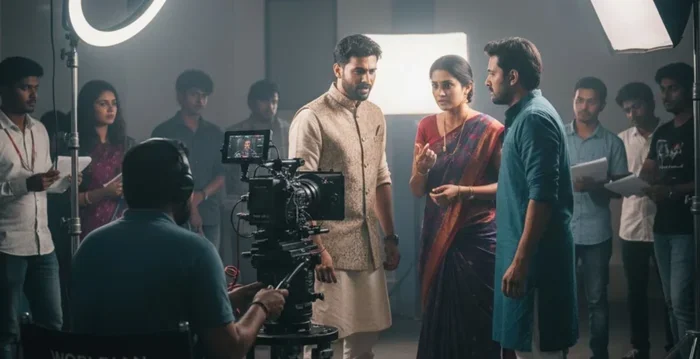
Visual guide about how to Indian actor audition in studio
Image source: worldianactingacademy.com
Take a class or workshop
A good class can teach you basic scene work, improvisation, character choices, and how to handle nervousness. Look for instructors who give clear feedback and let students practice regularly. If possible, choose a class that includes on-camera practice, not just theory.
Practice reading aloud and memorizing
Reading scripts aloud helps you sound natural instead of stiff. Try short scenes, commercial copy, or simple dialogue every day. Work on pronunciation, pacing, and pauses. Memorization matters too, because knowing your lines gives you more freedom to react in the moment.
Work on voice and body awareness
Acting is not only about what you say. It also involves posture, expression, movement, and energy. Simple exercises can help you notice tension in your shoulders, jaw, or breathing. Even basic physical warm-ups and breathing exercises can improve your presence.
Step 3: Practice With Simple Scenes and Self-Tests
Once you know the basics, start practicing on your own. Self-study is not a replacement for training, but it can speed up your progress. The goal is to become comfortable making choices and showing emotion without overthinking.
Choose small scenes
Pick simple scenes that match your age, personality, or the kinds of roles you might realistically pursue. Avoid overly dramatic material at first if it feels unnatural. Short scenes are easier to analyze and repeat.
Record yourself and review honestly
Use a phone or camera to record practice scenes. Watch the playback with a critical but fair eye. Ask yourself whether your intention is clear, whether you sound natural, and whether your facial expressions match the mood of the scene.
Try different emotional ranges
Do not limit yourself to one style. Practice scenes that are quiet, tense, humorous, sad, or conversational. This helps you discover what feels authentic and where you need more work.
Step 4: Create a Basic Acting Portfolio
You do not need a huge portfolio to begin. You mainly need a few materials that show you are serious and capable of performing. Keep it simple, clear, and professional.
Prepare a headshot that looks like you
Your headshot should reflect your current appearance. Casting teams want to recognize you when you walk into the room or appear on a video call. Use clean lighting, a simple background, and a natural expression. Avoid over-editing.
Make a short show reel or audition clip
If you do not have professional footage yet, create a short clip of yourself performing a scene. It does not need to be fancy. A clear, well-lit clip with decent sound can be enough for an early portfolio. If you have done any student films, stage work, or self-recorded scenes, include the strongest moments.
Keep a simple resume
List any training, performances, skills, languages, accents, sports, or special abilities that may be relevant. If you have no formal experience, focus on training, practice, and useful life skills that may fit certain roles. Be honest and avoid exaggeration.
Step 5: Find Auditions and Opportunities
Once you have basic materials, start looking for auditions. This is where preparation meets opportunity. The process can feel slow at first, but consistent searching and applying can open doors over time.
Use online platforms and listings
Look for audition notices on reputable platforms, film projects, casting calls, and production contacts that serve your region or target market. Read each posting carefully. Follow instructions exactly, because casting teams often notice whether applicants can follow simple directions.
Work with local film and theater communities
Joining local creative communities can help you hear about projects early. Attend screenings, workshops, meetups, or performance events when possible. Be friendly and professional rather than pushy. People are more likely to remember someone who is respectful and prepared.
Prepare for different audition formats
Auditions may happen in person, by self-tape, or through video submissions. Each format has its own habits. For self-tapes, pay attention to lighting, sound, framing, and slate instructions. For in-person auditions, arrive early, stay calm, and focus on the scene rather than the outcome.
Step 6: Improve Your Chances Through Smart Preparation
Getting an audition is one thing; doing well in it is another. Preparation can make a strong difference, especially when you are competing with many other beginners.
Read the material carefully
Understand the scene before you perform it. Ask what the character wants, what stands in the way, and what changes from start to finish. Even a short scene has a purpose. Knowing that purpose helps your performance feel intentional.
Make clear, simple choices
You do not need a complicated backstory for every audition. Often, a clear objective and a natural reaction are enough. Avoid trying to impress by overacting. Clear choices usually read better on camera.
Stay flexible and take direction
If a casting director asks you to try a scene differently, do your best to adjust. That flexibility can matter as much as your first performance. It shows that you can collaborate and repeat a scene with different needs.
Step 7: Handle Rejection and Keep Going
Rejection is part of the process, even for experienced actors. You may attend many auditions before booking one role. That does not mean you are failing. It means you are in the game.
Treat every audition as practice
Each audition gives you experience with lines, timing, nerves, and performance under pressure. Over time, that repetition helps you become steadier. Try to learn from each one instead of judging yourself harshly.
Watch for patterns, not just outcomes
If you are not getting past first rounds, you may need to work on your audition technique, camera presence, or material choice. If you are getting auditions but not training, you may need more practice. Look for practical patterns you can improve.
Protect your confidence
Acting can be emotionally demanding. Keep a routine that supports your health, sleep, and motivation. Stay connected to people who encourage growth rather than negativity. Confidence grows when you keep showing up and improving.
Troubleshooting Common Beginner Problems
If you feel stuck, the issue is often one of a few common problems. Here are some practical fixes.
Problem: You feel nervous on camera
Start with short practice clips and repeat them often. The more familiar the process feels, the less intimidating it becomes. Focus on breathing, grounding your body, and treating the lens like a person you are speaking to.
Problem: Your performance feels fake
Simplify. Choose one honest intention and let the scene breathe. If a line feels forced, ask whether you are trying too hard to show emotion instead of experiencing the moment. Natural acting often comes from listening and reacting.
Problem: You are not getting auditions
Check your materials first. Make sure your headshot is current, your contact details are clear, and your submission follows instructions. Then expand where you are looking. Smaller projects and local work can be useful stepping stones.
Problem: You do not know what roles to target
Start with roles that fit your age, look, and personality. It is easier to be convincing when the part is realistic for you. As you gain experience, you can stretch into different characters.
Conclusion
If you want to become a Bollywood actor without background, the best approach is steady, practical progress. Start with the basics, practice consistently, build simple portfolio materials, and learn how to audition well. You do not need a dramatic origin story to begin. You need patience, discipline, and the willingness to keep improving after every audition and every rejection.
The path may take time, but many performers start exactly where you are now: with little experience and a strong desire to learn. Focus on becoming a better performer today than you were yesterday. That mindset matters more than waiting for the perfect break.