
Annapurnar Lokkhira is a vibrant Bengali folk tradition that blends music, dance, and storytelling. It celebrates community spirit and preserves cultural heritage through lively performances. Discover its history, key elements, and why it remains relevant today.
This is a comprehensive guide about Annapurnar Lokkhira.
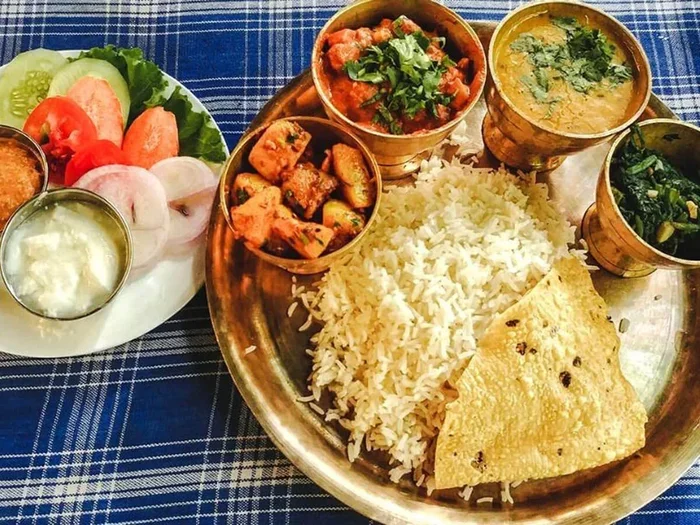
Visual guide about Annapurnar Lokkhira traditional food
Image source: media.app.regulusnepal.com
Key Takeaways
- Rooted in Bengal: Annapurnar Lokkhira originates from rural Bengal and reflects local traditions.
- Community Celebration: It brings villages together through music, dance, and shared stories.
- Cultural Preservation: The tradition keeps folk art forms alive for younger generations.
- Simple Performances: Shows use basic instruments, natural costumes, and open-air stages.
- Seasonal Events: Performances often align with harvest festivals and local fairs.
- Modern Relevance: Urban groups now adapt the tradition for contemporary audiences.
- Easy to Experience: Visitors can find live shows during regional cultural festivals.
[FEATURED_IMAGE_PLACEHOLDER]
Annapurnar Lokkhira is more than just a folk performance. It is a living tradition that carries the heartbeat of rural Bengal. People gather in open fields, under old trees, or near village squares to watch it. The air fills with drum beats, folk songs, and laughter. Children clap. Elders smile. Everyone feels connected.
This tradition matters because it keeps local culture alive. In a fast-moving world, many old art forms fade away. Annapurnar Lokkhira slows that rush. It reminds people of their roots. It also gives young artists a stage to learn and grow. If you love folk culture, village life, or simple human joy, this tradition will capture your interest.
In this guide, you will learn what Annapurnar Lokkhira really is. You will explore its history, its main features, and the role it plays in community life. You will also find practical tips for experiencing it firsthand. Let us walk through this beautiful folk world together.
What Is Annapurnar Lokkhira
Annapurnar Lokkhira is a folk performance tradition from Bengal. The name itself feels warm and familiar to local ears. It points to a style of village entertainment that mixes song, movement, and simple storytelling. The show does not need a big stage or fancy lights. It thrives on natural settings and honest expression.
The core idea is simple. A group of performers shares a story or a theme through rhythm and gesture. The audience joins in with cheers, calls, and sometimes dance steps. This back-and-forth creates a lively mood. The performance feels like a shared conversation rather than a fixed script.
Key Features Of The Tradition
Several elements shape the identity of this folk form. These features make it easy to recognize and easy to love.
- Folk music: Simple melodies carry the mood. The tunes often follow local scales and village styles.
- Rhythm and drums: Beats guide the performance. They keep the energy high and the pace steady.
- Storytelling: Many shows revolve around a tale, a character, or a daily life scene.
- Community participation: People do not just watch. They respond, sing along, and celebrate together.
- Natural settings: Open grounds, village paths, and local fairgrounds often serve as the stage.
Why It Feels So Authentic
Annapurnar Lokkhira feels authentic because it grows from everyday life. The songs talk about familiar things. The movements reflect common gestures. The humor comes from real situations. This close link to daily life makes the tradition easy to understand. Even a visitor can feel the warmth quickly.
The performance also avoids overproduction. That simplicity is a strength. It keeps the focus on human connection. When the lights are low and the drums are loud, the show becomes about people, not props.
Cultural Roots And Local Meaning
Every folk tradition carries a memory. Annapurnar Lokkhira is no different. It reflects the social life, seasonal cycles, and shared values of rural communities. The performance often appears during gatherings that mark important moments in the year. Harvest time, local fairs, and community festivals are common occasions.
The tradition also mirrors the social structure of village life. It gives space to different voices. Sometimes the content celebrates local heroes. Sometimes it gently pokes fun at everyday struggles. This mix of respect and humor helps the audience relax and enjoy the moment.
Seasonal And Festival Ties
Many performances align with the rural calendar. That timing matters. It connects the art to the land and the rhythm of farming life. A harvest celebration, for example, brings a joyful mood. The performance then becomes part of the larger festival experience.
This seasonal link also helps the tradition survive. When a performance is tied to a familiar event, people expect it. They plan for it. They invite family and friends. The tradition becomes part of the community routine.
Community Identity And Belonging
Annapurnar Lokkhira supports a sense of belonging. In small communities, shared experiences matter a lot. A village performance creates a common memory. People talk about it later. They remember the songs, the funny moments, and the energy of the crowd. That shared memory strengthens local bonds.
For many attendees, the event is not just entertainment. It is a reunion. It is a chance to sit together, laugh together, and feel proud of local culture. That emotional value is one reason the tradition remains meaningful.
Music, Dance, And Storytelling In Annapurnar Lokkhira
The beauty of this tradition lies in how it blends art forms. Music leads the way. Dance adds life. Storytelling gives meaning. Together, they create a full experience that feels both lively and grounded.
The music usually stays simple and direct. The tunes do not try to impress with complexity. Instead, they aim to connect. A clear rhythm, a familiar melody, and a strong vocal style can move the audience quickly. The song becomes a bridge between the stage and the crowd.
The Role Of Rhythm
Rhythm is the engine of the performance. It shapes the mood and guides the action. A steady beat can build excitement. A softer rhythm can create a reflective moment. Performers listen closely to the drum pattern and adjust their movements accordingly.
For the audience, rhythm does more than support the show. It invites response. People clap, tap their feet, or sing along when the beat feels right. This shared pulse makes the event feel alive.
Movement And Expression
Dance in this tradition is often natural and expressive. It does not always follow strict classical rules. Instead, it reflects emotion, energy, and local style. A performer may use broad gestures to show joy or quick steps to show playfulness. The movement stays readable and human.
This ease of movement helps the show stay accessible. Viewers do not need special training to enjoy it. They can understand the mood through simple body language and facial expression.
Storytelling As The Heart
Many performances carry a story at their center. The story may be short or loosely shaped. It may come from local legend, daily life, or a playful invented scene. What matters is that the audience feels pulled into the narrative.
Good storytelling keeps the event memorable. It gives the music a purpose and the dance a direction. When the tale is clear, the crowd stays engaged. When the tale is funny or touching, the crowd remembers it longer.
How Annapurnar Lokkhira Is Performed Today
Traditions change over time, and Annapurnar Lokkhira is no exception. In many places, it still follows its old village style. In other places, it has adapted to new settings. Today, you may see it at cultural events, local fairs, school programs, or small theater gatherings.
Modern performances often keep the core spirit while adjusting the format. A group may use a slightly bigger stage. They may add simple decorations. They may plan the show more formally. Still, the heart of the performance remains the same. It still values rhythm, community, and direct expression.
Urban And Rural Settings
In rural areas, the tradition often feels close to its original form. The audience may know the songs. The performers may belong to the same community. The event can feel informal and personal.
In urban settings, the experience can be different. People may come from different backgrounds. They may be discovering the tradition for the first time. In that case, the performance becomes a bridge between cultures. It introduces city audiences to a simpler, more communal style of art.
New Opportunities For Performers
Today, young performers have more chances to explore folk traditions. Cultural groups, local festivals, and digital platforms all create new paths. Some artists record performances. Some teach younger students. Some mix folk styles with modern ideas in careful, respectful ways.
This growth is healthy when it respects the source. The goal should not be to polish away the tradition’s character. The goal should be to keep it visible and alive.
Why It Still Matters In Modern Times
It is easy to ask why old traditions matter now. The answer is simple. They remind us who we are. They give us a break from routine. They show us that art does not always need high production value to be powerful.
Annapurnar Lokkhira offers a rare kind of experience. It is direct. It is shared. It feels human. In a time when many entertainments are screen-based and isolated, this tradition brings people into the same space. It encourages presence. It rewards attention.
A Healthy Break From Digital Life
Many people spend much of the day looking at screens. That habit can make life feel fast and fragmented. A live folk performance offers a different pace. You sit under the sky or in a local hall. You hear real voices. You see real movement. The experience feels grounded.
This break is valuable. It helps people reset. It also helps them notice the joy of simple things: a strong beat, a shared laugh, a familiar tune.
Preserving Local Knowledge
Folk traditions carry more than entertainment. They carry local knowledge, language, humor, and values. When people keep practicing them, they protect a part of their heritage. That protection matters for future generations.
Young people who join these performances learn more than steps or songs. They learn how to connect with an audience. They learn how to work as a group. They learn how culture grows when people take part in it.
How To Experience Annapurnar Lokkhira
If you want to see this tradition in person, a little planning helps. You do not need special skills or deep prior knowledge. You just need curiosity and openness. The experience is meant to be enjoyed, not studied like a test.
Here are some practical steps to make your first visit smoother.
- Look for local festivals: Regional cultural events often include folk performances.
- Check community calendars: Village fairs, harvest events, and local gatherings may feature the tradition.
- Ask local cultural groups: Arts clubs and folk groups often know when and where shows happen.
- Arrive early: Good spots fill quickly, especially in open-air settings.
- Stay relaxed: Let the performance unfold naturally. You do not need to analyze every moment.
- Join in when invited: If the crowd sings or claps, feel free to take part.
What To Expect As A First-Time Viewer
Do not expect a polished stage show with heavy production. Expect energy, simplicity, and a warm atmosphere. The performance may feel loose at times. That looseness is part of the charm. The mood may shift from serious to playful quickly. That change keeps the show lively.
Also expect a sense of shared space. The line between performers and audience may feel thin. People may call out, laugh, or respond to the music. This interaction is normal. In fact, it is one of the best parts of the experience.
Respectful Viewing Tips
When you attend, keep a respectful attitude. Appreciate the effort of the performers. Avoid treating the event like a novelty. Remember that it holds local meaning for the people who keep it alive.
If you take photos or notes, do so politely. If the event is private or community-based, follow local guidance. Small acts of respect help protect the spirit of the tradition.
Common Misunderstandings About The Tradition
Like many folk forms, Annapurnar Lokkhira can be misunderstood by people who encounter it for the first time. Some assume it is only an old village custom with no modern value. Others think it must follow a fixed script. Both ideas miss the point.
The tradition is not frozen in time. It can change while keeping its spirit. It is also not just passive entertainment. It often depends on audience energy and local participation. That living quality is what makes it strong.
Quick Tips For A Better Understanding
- See it as living culture: It grows with the community that practices it.
- Notice the interaction: The crowd plays a real role in the mood.
- Value simplicity: Simple forms can carry deep emotion.
- Ask local voices: Community members can explain meanings you might miss.
Expert Insights And Local Observations
People who follow folk traditions closely often say the same thing: the real power of Annapurnar Lokkhira is in its shared feeling. A performance becomes memorable when the room feels united. The songs matter, but so does the crowd. The rhythm matters, but so does the setting.
Local observers also note that the tradition works because it stays flexible. It can celebrate a festival, entertain a fair, or simply bring neighbors together. That flexibility helps it survive in different conditions. It is not limited to one stage or one format.
Another useful insight is that the best experiences often happen when people stop overthinking the show. If you relax and let the rhythm lead you, the performance becomes easier to enjoy. You start to feel the tradition instead of just watching it.
Final Thoughts On Annapurnar Lokkhira
Annapurnar Lokkhira is a lovely example of how simple art can hold deep meaning. It brings together music, movement, and community in a way that feels natural and welcoming. It does not ask for perfection. It asks for presence.
If you are curious about folk culture, this tradition offers a warm entry point. It shows how people can entertain each other without fancy tools. It also shows how culture stays alive when communities keep using it. That is a powerful lesson in a changing world.
So the next time you hear about a local folk performance, give it a chance. Go early. Sit back. Listen to the drums. Watch the movement. Let the story carry you. You may leave with more than entertainment. You may leave with a stronger sense of connection.
Frequently Asked Questions
What is Annapurnar Lokkhira?
Annapurnar Lokkhira is a Bengali folk performance tradition that combines music, dance, and storytelling. It is usually presented in community settings and values simple, shared entertainment.
Where can I see Annapurnar Lokkhira performances?
You can often find performances at local festivals, village fairs, cultural events, and community gatherings. Regional arts groups may also organize shows in larger venues.
Do I need prior knowledge to enjoy it?
No, you do not need special knowledge. The music, rhythm, and storytelling are easy to follow. A relaxed and open mindset is enough to enjoy the experience.
Is Annapurnar Lokkhira only a rural tradition?
It began in rural life, but it can also be presented in urban settings. Many groups adapt the tradition for cultural programs while keeping its core spirit.
What makes this tradition different from stage theater?
It feels more informal and community-centered. The audience often responds during the show, and the setting is usually simpler and more direct than a polished theater production.
How can I support this folk tradition?
You can support it by attending performances, sharing information, and encouraging local cultural groups. Respectful interest helps keep the tradition visible and valued.