
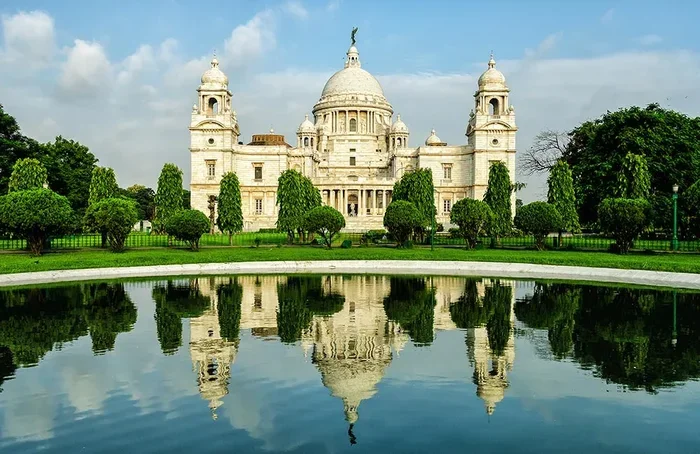
Featured image for About West Bengal
Image source: joonsquare.com
West Bengal is a vibrant state in eastern India known for its rich history, cultural diversity, and stunning landscapes. From the bustling streets of Kolkata to the serene tea gardens of Darjeeling, this region offers something for every traveler. Whether you love history, food, or nature, exploring West Bengal will leave you with unforgettable memories.
West Bengal is one of the most fascinating states in India. It sits in the eastern part of the country and shares borders with Nepal, Bhutan, Bangladesh, and several other Indian states. The land is diverse. You can find busy cities, quiet villages, tall mountains, and wide rivers all in one place. People from many backgrounds live here. They speak different languages, follow different traditions, and celebrate many festivals throughout the year.
If you are planning a trip to eastern India, learning about West Bengal will help you make the most of your journey. The state offers a mix of history, culture, nature, and food that is hard to find anywhere else. You can walk through old colonial streets, ride on a steam train through mountain curves, or sail through mangrove forests in search of tigers. Every corner of this state tells a different story.
In this guide, we will cover everything you need to know. We will look at the history, the best places to visit, the food, the culture, and practical travel tips. By the end, you will feel ready to plan your own adventure. Let us dive in and discover what makes this region so special.
Key Takeaways
- Rich Cultural Heritage: West Bengal blends ancient traditions with modern life, offering a unique cultural experience.
- Kolkata is a Must-Visit: The capital city features historic landmarks, vibrant art, and delicious street food.
- Tea Gardens of Darjeeling: Scenic hills and world-famous tea make Darjeeling a top destination.
- Beautiful Natural Scenery: From the Sundarbans mangrove forest to the Himalayan foothills, nature lovers will find plenty to explore.
- Distinctive Cuisine: Bengali food is famous for its fish, sweets, and flavorful spices that delight every palate.
- Historical Significance: The state played a major role in India’s independence movement and literary history.
- Easy Travel Options: Good roads, trains, and airports make traveling around West Bengal convenient for tourists.
📑 Table of Contents
- The History and Cultural Background of West Bengal
- Top Places to Visit in West Bengal
- Food and Cuisine of West Bengal
- Nature, Wildlife, and Scenic Landscapes
- Travel Tips and Practical Information
- Common Mistakes to Avoid
- Expert Insights for a Better Trip
- Quick Comparison: Popular Destinations
- Final Thoughts on Exploring West Bengal
The History and Cultural Background of West Bengal
Understanding about West Bengal starts with its long and rich history. This land has been home to many great civilizations and empires over thousands of years. Ancient kingdoms ruled here. Later, the region became an important center during the Mughal period. British colonial rule also left a deep mark on the area, especially in Kolkata, which was once the capital of British India.
Ancient Roots and Early Kingdoms
Long ago, this region was part of powerful ancient kingdoms. The Ganges River and its tributaries made the land fertile and easy to settle. Many early rulers built temples, forts, and trade centers. Over time, different dynasties rose and fell, each leaving behind art, architecture, and local traditions. You can still see traces of these early periods in old ruins, local legends, and village festivals.
The Colonial Era and Its Impact
The British period changed the state in many ways. Kolkata became a major port and a center of trade, education, and politics. Many colonial buildings still stand today. You can visit old courthouses, universities, and churches that show the architectural style of that time. The colonial era also brought new ideas about art, literature, and social reform. These ideas helped shape modern Bengali identity.
Literature, Art, and Social Reform
West Bengal has a very strong literary tradition. Many famous poets, novelists, and thinkers came from this region. Their works explored human emotions, social problems, and the beauty of everyday life. This focus on learning and creative expression made the state a hub for intellectuals. Art and theater also flourished here. You can still feel this creative spirit in local galleries, book fairs, and cultural events.
Festivals and Traditions
Festivals are a huge part of life here. Durga Puja is the most famous celebration. During this time, neighborhoods transform with colorful decorations, music, and food. People gather to honor the goddess Durga and celebrate the victory of good over evil. Other important festivals include Kali Puja, Diwali, Eid, Christmas, and many local harvest celebrations. Each event brings communities together and shows the state’s warm and inclusive spirit.
Top Places to Visit in West Bengal
When you travel about West Bengal, you will find many amazing destinations. Each place has its own mood and charm. Some are busy and lively. Others are calm and peaceful. Here are some of the best spots to add to your itinerary.
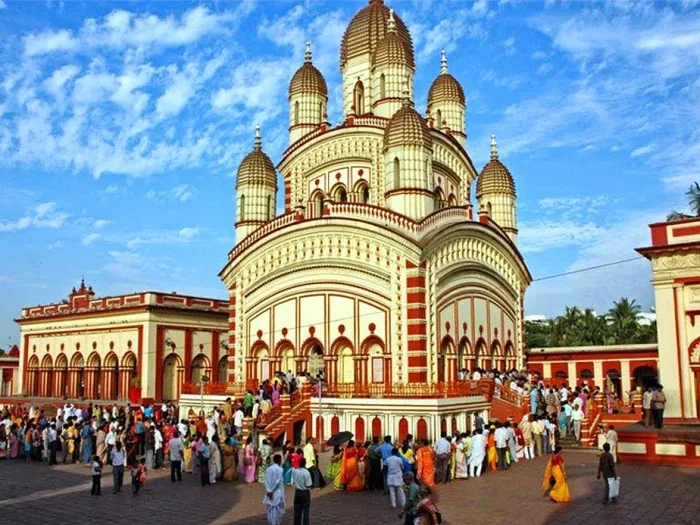
Visual guide about About West Bengal
Image source: joonsquare.com
Kolkata: The Heart of the State
Kolkata is the capital and the largest city. It is a place where old and new blend together. You can walk along the Hooghly River at sunset. You can visit the Victoria Memorial, which is a beautiful white marble building with gardens inside. You can also explore the Indian Museum, the largest museum in the country. The city is famous for its bookstores, coffee houses, and street food. A walk through North Kolkata will show you narrow lanes, old mansions, and a slow, nostalgic pace of life.
Darjeeling: The Queen of the Hills
Darjeeling sits high in the Himalayan foothills. It is famous for its tea gardens, cool weather, and stunning views of Kanchenjunga, the third highest mountain in the world. You can ride the Darjeeling Himalayan Railway, also known as the toy train. This UNESCO World Heritage Site offers a charming and slow journey through green hills and small villages. You can also visit tea estates, learn how tea is processed, and taste fresh local brews.
Sundarbans: The Mangrove Wilderness
The Sundarbans is a vast mangrove forest at the delta of the Ganges, Brahmaputra, and Meghna rivers. It is one of the largest such forests in the world. This area is famous for the Royal Bengal Tiger. Boat tours take you through narrow waterways where you can spot wildlife, birds, and unique plants. The Sundarbans also support local fishing communities and offer a rare look at a fragile and beautiful ecosystem.
Siliguri: The Gateway to the Hills
Siliguri is a busy town that serves as a gateway to Darjeeling, Sikkim, and other hill areas. It is a good place to rest, shop, and plan your next move. You can find good hotels, markets, and transport links here. Many travelers stop here before heading up into the mountains.
Durgapur and the Industrial Belt
Durgapur is an important industrial city in the western part of the state. While it may not be a traditional tourist spot, it offers good connectivity and modern facilities. Travelers sometimes use it as a transit point. The area also shows the economic growth and development of the state in recent decades.
Budget-Friendly Gems
If you want to travel without spending too much, look for smaller towns and rural areas. Places like Bishnupur offer ancient terracotta temples and a quiet atmosphere. The town of Murshidabad has old palaces and historical sites linked to the past rulers of the region. These spots are often less crowded and more affordable than the main tourist hubs.
Food and Cuisine of West Bengal
You cannot talk about West Bengal without talking about food. Bengali cuisine is known for its delicate flavors, use of fish, and famous sweets. Meals here often balance sweet and savory elements in a way that feels unique and satisfying.
Rice, Fish, and Daily Meals
Rice is the main staple in most households. Fish is also very important. The state has many rivers and ponds, so fresh fish is easy to find. A typical meal may include rice, a fish curry, vegetables, and lentils. Mustard oil is often used for cooking, which gives the food a sharp and distinct taste. Many people also enjoy a light snack of paratha or roti with curry in the morning or evening.
Street Food and Snacks
Street food is a big part of the experience in Kolkata and other towns. You can try kathi rolls, which are tasty rolls filled with meat, eggs, or vegetables. Puchka, a crispy shell filled with spiced water, is a favorite snack at street stalls. Another popular item is jhal muri, a spicy puffed rice mix. These foods are cheap, quick, and full of local flavor. They are perfect for a casual meal while exploring the city.
Famous Sweets and Desserts
Bengali sweets are famous across India and beyond. Rosogolla, sandesh, and rasmalai are some of the most well-known treats. These sweets often use chhena, a fresh cheese made from milk. Many families still prepare sweets at home for festivals and special occasions. If you visit a traditional sweet shop, you will find many varieties to taste and compare.
Tea and Local Drinks
Tea is a daily habit for many people here. Darjeeling tea is world-famous for its light, floral taste. You can drink it hot or iced, often with a little milk and sugar. In some areas, people also enjoy local fermented drinks and fruit-based beverages. A warm cup of tea is a simple pleasure that fits perfectly into the daily rhythm of life.
Nature, Wildlife, and Scenic Landscapes
One of the best things about West Bengal is its natural variety. The state stretches from the Himalayas in the north to the coastal delta in the south. This wide range creates many different landscapes and climates. Travelers who love nature will find plenty to enjoy.
Hills, Valleys, and Mountain Views
The northern part of the state includes beautiful hill areas. Darjeeling, Kalimpong, and nearby regions offer green valleys, winding roads, and fresh mountain air. You can go for walks, visit small monasteries, and enjoy views of snow-capped peaks on clear days. The weather is cooler here, which makes it a popular escape from the hot plains.
Rivers, Delta, and Coastal Areas
Rivers play a major role in the life of the state. The Ganges and its branches flow through many districts and support farming, fishing, and travel. The southern delta region is flat, wet, and full of waterways. This area is rich in plant and animal life. Boats and ferries are common ways to move around. The river culture here is deep and visible in daily life.
Wildlife and Protected Areas
West Bengal has several wildlife sanctuaries and protected areas. The Sundarbans is the most famous, but there are others too. Some areas protect elephants, deer, birds, and rare plant species. Birdwatchers will enjoy visiting during migration seasons. If you travel quietly and respect the rules, you can see nature in a peaceful and meaningful way.
Best Times for Nature Travel
The best time to visit the hills is usually from October to April. The weather is clear and comfortable. In the plains and delta areas, the winter months are also pleasant. Summers can be hot and humid, especially in the lower regions. Monsoon season brings heavy rain, which can be beautiful but also disruptive for travel. Plan your trip based on the weather you prefer.
Travel Tips and Practical Information
If you are planning a trip, here are some useful tips to make your journey smooth. Good planning helps you enjoy more and worry less.
How to Reach West Bengal
You can reach the state by air, train, or road. Kolkata has an international airport that connects to many cities in India and abroad. Several other airports and airstrips serve smaller towns. Trains are a popular and affordable way to travel between major cities and towns. Roads are also well connected, with national highways linking different regions. If you are coming from nearby countries, border crossings and special permits may be needed for certain areas.
Getting Around Within the State
Local travel is fairly easy. Kolkata has a metro rail, buses, taxis, and auto-rickshaws. In hill areas, shared jeeps and small vehicles are common. Boat rides are available in river and delta regions. If you want more comfort, you can rent a car with a driver. For budget travel, public buses and trains work well. Always check road conditions before heading to remote areas.
Accommodation Options
You can find many types of lodging. Luxury hotels are available in Kolkata and Darjeeling. Mid-range hotels and guest houses are common in most towns. Budget travelers can choose hostels, homestays, and lodge options. In rural areas, homestays can offer a warm and personal experience. It is a good idea to book in advance during festival seasons, especially around Durga Puja, when hotels fill up quickly.
Safety and Local Etiquette
West Bengal is generally safe for travelers. As with any place, stay aware of your belongings and follow local advice. Dress modestly when visiting religious sites. Ask before taking photos of people or private property. Respect local customs and greet people politely. Learning a few basic words in Bengali can also help you connect with locals and show respect.
Packing and Essentials
Pack light, breathable clothes for most of the year. If you are visiting the hills, bring a warm layer for cool evenings. Comfortable walking shoes are useful for city tours and nature walks. Carry a small umbrella or raincoat during monsoon season. Keep your travel documents, tickets, and any needed permits in a safe and easy-to-reach place.
Common Mistakes to Avoid
Traveling is easier when you know what to avoid. Here are some common mistakes that travelers make about West Bengal and how to prevent them.
- Ignoring the weather: The climate changes a lot from north to south. Check the forecast for your specific destination before packing.
- Overpacking your schedule: The state is large and travel can take time. Leave room for rest and unexpected discoveries.
- Skipping local food: Many visitors stick to familiar dishes and miss out on great local flavors. Try small local snacks and traditional meals.
- Not booking during festivals: During major festivals, transport and hotels get busy. Plan ahead if you want to attend celebrations.
- Disregarding local customs: Religious sites and rural areas often have simple dress and behavior expectations. A little respect goes a long way.
- Rushing through hill stations: Mountain roads are scenic but slow. Give yourself enough time to enjoy the journey, not just the destination.
Expert Insights for a Better Trip
Here are a few expert tips to help you travel smarter and deeper.
- Start in Kolkata: A few days in the capital give you a strong introduction to the state’s history, food, and energy.
- Mix city and nature: Combine urban sights with a hill station or the Sundarbans for a balanced experience.
- Talk to locals: Shopkeepers, drivers, and homestay hosts often know the best hidden spots and current conditions.
- Carry cash for small places: Some rural areas and small vendors may not accept cards or digital payments easily.
- Take a slow day: Leave one day with no big plans. Wander, sit at a tea stall, and watch daily life unfold.
Quick Comparison: Popular Destinations
Here is a simple comparison to help you choose where to go based on your interests.
| Destination | Best For | Vibe | Ideal Time |
|---|---|---|---|
| Kolkata | History, food, city life | Busy, cultural, lively | October to March |
| Darjeeling | Tea gardens, mountains, views | Cool, scenic, relaxed | October to April |
| Sundarbans | Wildlife, boat tours, nature | Wild, adventurous, quiet | November to February |
| Bishnupur | Ancient temples, art, calm | Peaceful, historic, slow | October to March |
| Siliguri | Transit, shopping, planning | Practical, modern, convenient | Year-round |
Final Thoughts on Exploring West Bengal
Learning about West Bengal is like opening a door to many different worlds. You can explore a historic city, breathe in cool mountain air, sail through a wild mangrove forest, and taste some of the most memorable food in India. The state rewards curious travelers who take the time to look beyond the surface.
Whether you are interested in history, nature, food, or simple travel adventures, this region has something meaningful to offer. Plan with care, stay open to new experiences, and let the local rhythm guide you. Your trip will be richer if you slow down and notice the small details that make this place unique.
If you are ready to begin, pick one or two destinations for your first visit. Add a mix of city sights and natural beauty. Talk to locals, try the food, and keep your schedule flexible. Exploring West Bengal can be the start of many future journeys, and each trip will reveal something new.
Frequently Asked Questions
What is the best time to visit West Bengal?
The best time is usually from October to March, when the weather is cooler and more comfortable for travel. Hill areas like Darjeeling are pleasant during these months, and the plains are less hot and humid.
Is West Bengal safe for tourists?
Yes, it is generally safe for travelers. As with any destination, stay alert, keep your valuables secure, and follow local advice. Most visitors have a smooth and enjoyable experience.
What are the must-try foods in West Bengal?
You should try fish curry, kathi rolls, puchka, jhal muri, and famous sweets like rosogolla and sandesh. These dishes give a true taste of local flavor and daily food culture.
How do I travel from Kolkata to Darjeeling?
You can take a train, a bus, or a car from Kolkata to Darjeeling. The road journey is scenic but takes several hours, so many travelers break the trip or fly to nearby airports for a shorter transfer.
Can I see tigers in the Sundarbans?
Yes, the Sundarbans is home to the Royal Bengal Tiger, but sightings are not guaranteed. Boat tours take you through the forest, and patience and quiet movement improve your chances of spotting wildlife.
Do I need a permit to visit certain areas in West Bengal?
Some border and hill areas may require special permits or local check-ins. It is best to check current rules before you travel, especially if you plan to visit remote or sensitive regions.