
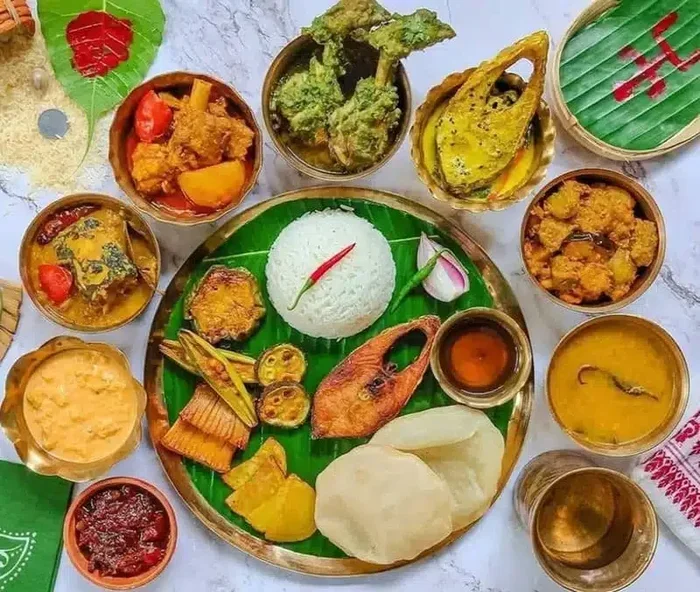
Annapurnar Lokkhira offers a treasure trove of authentic Bengali recipes for home cooks. This guide helps you master traditional cooking methods and use fresh Bengali ingredients. You will learn to cook Bengali food with confidence and joy.
Welcome to the wonderful world of Bengali cuisine. Food here is more than just fuel. It is love, culture, and history on a plate. When you explore Annapurnar Lokkhira, you open a door to authentic flavors. These recipes have been passed down through generations. They bring families together around the dining table.
Many people love the taste of Bengali food. But cooking it at home can feel hard. You might worry about getting the spices right. You might not know where to start. This guide is here to help you. We will break down complex dishes into simple steps. You will learn how to cook with confidence. Let us dive into the kitchen together.
Cooking is a journey. Every dish tells a story. Traditional cooking methods bring out the best taste. We will focus on fresh ingredients. We will talk about common kitchen tools. You do not need fancy equipment. You just need passion and patience. Ready to cook something amazing?
Key Takeaways
- Authenticity Matters: Use fresh spices and local ingredients for true Bengali flavors.
- Master the Base: Learn to make perfect ginger-garlic paste and onion masala.
- Rice is King: Choose the right rice variety for perfect steamed rice or pulao.
- Balance Flavors: Combine sweet, sour, spicy, and salty elements carefully.
- Cooking Techniques: Understand tempering, slow cooking, and pressure cooking methods.
- Meal Planning: Organize your kitchen for efficient Bengali meal preparation.
- Cultural Connection: Cooking Bengali food connects you to rich heritage and family traditions.
📑 Table of Contents
Understanding the Heart of Bengali Cuisine
Bengali cuisine comes from the eastern part of India. It also includes influences from Bangladesh. The food is known for its subtle flavors. It is not always very spicy. Instead, it focuses on the natural taste of ingredients. Fish and rice are the staples here. Vegetables are cooked with care. Mustard oil is often used for cooking. It adds a unique pungent taste.
Spices play a big role too. But they are used wisely. You will often find panch phoron. This is a five-spice blend. It adds depth to dishes. Ginger and garlic are essential. They form the base of many curries. Turmeric gives a nice yellow color. It also has health benefits. Cumin seeds are used for tempering. They release a lovely aroma when heated.
Essential Ingredients You Need
To start your journey, you need the right items. Here are some must-haves for your kitchen.
- Mustard Oil: This is the traditional cooking medium. It has a strong flavor.
- Panch Phoron: A mix of fenugreek, nigella, cumin, mustard, and fennel seeds.
- Fresh Fish: Rui, Katla, or Hilsa are popular choices.
- Rice: Miniket or Gobindobhog rice works well for daily meals.
- Ginger and Garlic: Fresh roots make the best paste.
- Green Chilies: These add heat without overwhelming the dish.
- Curry Leaves: They add a fragrant touch to tempering.
Having these items ready makes cooking easier. You can find them in local stores. You can also order them online. Freshness matters a lot. Old spices lose their power. So check the date on your jars.
Mastering Rice and Fish Dishes
Rice and fish go hand in hand. This combination is the soul of Bengali meals. Cooking perfect rice is a skill. It seems simple but needs attention. You want grains that are separate. They should not be mushy. Washing the rice is the first step. It removes extra starch. Then soak it for fifteen minutes.
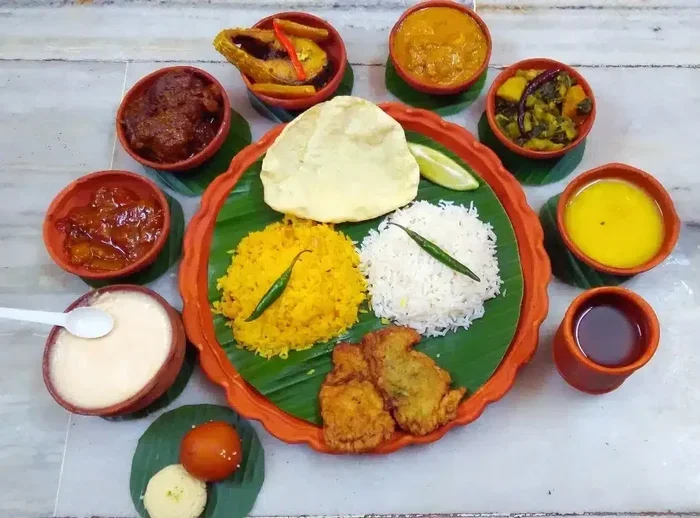
Visual guide about authentic Bengali traditional meal
Image source: awesomecuisine.com
Use the right water ratio. Usually, one cup of rice needs one and a half cups of water. Bring it to a boil. Then lower the heat. Cover the pot tightly. Let it steam until done. Fluff it with a fork. Your steamed rice is now ready.
Popular Fish Curries
Fish curries are diverse. Some are light and watery. Others are thick and rich. A classic dish is fish curry with mustard paste. You grind mustard seeds with water. Add it to the cooked fish. It creates a sharp, tangy taste. Another option is jhol. This is a light broth with vegetables. It is very comforting.
Here are some tips for cooking fish.
- Clean the fish well. Remove any scales or bones.
- Marinate with turmeric and salt. This removes any raw smell.
- Do not overcook. Fish cooks fast and becomes dry.
- Add green chilies at the end. They keep their fresh heat.
- Use mustard oil for the best flavor profile.
Practice makes perfect. Try different types of fish. Each one has a unique texture. River fish are often softer. Sea fish might be firmer. Adjust your cooking time accordingly.
Vegetable Recipes for Every Season
Bengali cuisine celebrates seasonal vegetables. You can cook them in many ways. Some are stir-fried. Others are made into thick curries. Vegetable recipes are healthy and tasty. They fit well into daily meals. Potatoes, eggplants, and pumpkins are common. Bitter gourd is also popular. It is good for health.
One famous dish is shukto. It is a bitter vegetable stew. It is usually served at the start of a meal. It prepares the stomach for digestion. Another option is bhaja. This means fried vegetables. You slice them thin. Fry them in mustard oil. Sprinkle salt and chili powder. It makes a great snack.
Cooking with Seasonal Produce
Using seasonal produce is key. Vegetables taste better when they are in season. They are also cheaper. Winter brings leafy greens. Summer offers gourds and beans. Plan your menu around what is available. This keeps your meals fresh.
Here is a simple way to cook vegetables.
- Wash and cut the vegetables into pieces.
- Heat mustard oil in a pan.
- Add cumin seeds and curry leaves.
- Toss the vegetables in the oil.
- Add salt and turmeric.
- Cook until tender but firm.
- Finish with a squeeze of lemon juice.
This method works for most veggies. You can add onions for more flavor. You can add tomatoes for acidity. Experiment with different combinations. Your kitchen will smell amazing.
The Art of Bengali Sweets and Desserts
No meal is complete without sweets. Bengali sweets are famous worldwide. They are often made with milk. Bengali sweets like Rosogolla and Sandesh are icons. They are soft and sweet. Making them at home is rewarding. It takes practice to get the texture right.
Roshogolla involves making cheese balls. They are soaked in syrup. The syrup is made with sugar and water. Cardamom adds a nice scent. Sandesh is made from chhena. Chhena is fresh curd cheese. You knead it with sugar. Sometimes you add nuts or fruit.
Simple Dessert Ideas
You do not need to make complex sweets. Simple desserts are great too. Payesh is a rice pudding. It is creamy and rich. You cook rice in milk. Add sugar and cardamom. It is perfect for parties. Another option is fruit salad. Use ripe mangoes or bananas. Drizzle with honey.
Tips for making sweets at home.
- Use full-fat milk for better results.
- Keep the heat low when making chhena.
- Do not overcook the sugar syrup.
- Let the sweets cool before serving.
- Store them in a clean container.
Sweets bring joy to the table. They are often shared with guests. They are also offered during festivals. Learning to make them connects you to tradition.
Tips for Cooking Like a Pro
To master authentic Bengali recipes, you need good habits. Planning helps a lot. Make a list before you shop. This saves time and money. Keep your kitchen clean. A messy kitchen slows you down. Wash utensils as you cook.
Taste your food often. Adjust salt and spices. Every palate is different. You might like it more spicy. Or you might prefer it mild. Cooking is about balance. Do not rush the process. Let flavors develop slowly. Slow cooking often yields better results.
Common Mistakes to Avoid
Even experts make mistakes. Here are some to watch out for.
- Burning the Oil: Mustard oil smokes easily. Heat it gently.
- Overcooking Rice: This makes it mushy. Watch the clock.
- Too Much Spice: Start with less. You can add more later.
- Ignoring Freshness: Old ingredients taste flat. Buy fresh.
- Skipping Resting Time: Let curries rest for flavor to blend.
Avoiding these errors improves your dishes. You will see a big difference. Your family will notice the improvement. Cooking becomes more enjoyable.
Expert Insights on Flavor Balancing
Flavor balancing is an art. You need to mix sweet, sour, salty, and spicy. Bengali food often uses tamarind for sourness. Sometimes it uses dried mango powder. Jaggery adds sweetness. It is less refined than sugar. It gives a caramel note.
Salt enhances all other tastes. Do not skimp on it. But do not overdo it either. Chili heat should be manageable. Green chilies are milder than red powder. Use them to control the heat level. A pinch of sugar can reduce acidity. It rounds out the flavor profile.
Here is a quick flavor check list.
- Is it salty enough?
- Does it need more heat?
- Is there enough acidity?
- Does it need a touch of sweetness?
- Does it smell aromatic?
Use this list while cooking. It helps you adjust on the fly. You will become a better cook. Your dishes will taste more professional.
Conclusion
Exploring Annapurnar Lokkhira is a rewarding journey. You learn to appreciate simple ingredients. You master traditional cooking techniques. You create meals that bring joy. Bengali cuisine is rich and diverse. It welcomes everyone to the table.
Start with small steps. Cook rice perfectly. Try a simple fish curry. Make a sweet dessert for friends. Enjoy the process. Do not worry about perfection. Focus on love and care. That is the secret ingredient. Your kitchen will become a place of warmth. Happy cooking!
Frequently Asked Questions
What is the main ingredient in Bengali cooking?
Mustard oil is the primary cooking medium. It gives a distinct pungent flavor. Fresh fish and rice are also staples.
How do I make perfect steamed rice?
Wash the rice well to remove starch. Soak it for fifteen minutes. Use one and a half cups of water per cup of rice.
What is Panch Phoron used for?
It is a five-spice blend. You use it for tempering vegetables and lentils. It adds a complex aroma to dishes.
Can I make Bengali sweets without cheese?
Yes, you can use milk directly. Payesh is a rice pudding made with milk. It does not require chhena.
Why is my fish curry bitter?
Too much mustard paste can cause bitterness. Also, burnt spices can add a bitter taste. Adjust the quantity carefully.
What vegetables are best for winter meals?
Leafy greens and root vegetables are great. Potatoes, carrots, and spinach are popular. They cook well in curries.