
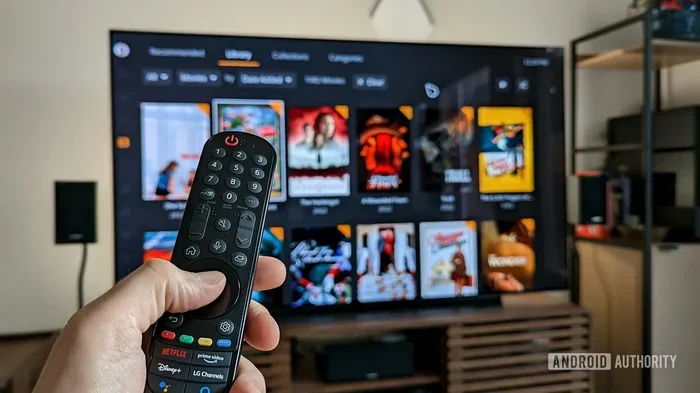
Featured image for how to remote control watching TV series
Image source: androidauthority.com
Finding the right show to watch can feel overwhelming when so many options compete for your attention. This guide explains how to narrow your choices, match a series to your mood, and build a binge list you will actually enjoy. Use simple filters, check episode length, and focus on shows that fit your available time.
Binge watching can be one of the best ways to enjoy a good story, but only if you pick the right show. The hard part is not finding something to watch. The hard part is finding something worth your free time. If you have ever spent an hour scrolling through titles and still ended up watching nothing, you already know the problem. Too many choices can make the whole process exhausting.
This guide will help you cut through the noise. You will learn how to choose a series based on your mood, your schedule, and the kind of experience you want. You will also learn how to test a show quickly, avoid common mistakes, and build a shortlist that makes deciding much easier. The goal is simple: less searching and more watching.
📑 Table of Contents
- Step 1: Decide What Kind of Binge You Want
- Step 2: Set Your Time and Commitment Limits
- Step 3: Narrow the Search With Smart Filters
- Step 4: Evaluate the Show Beyond the Premise
- Step 5: Use Recommendations Wisely
- Step 6: Sample the First Few Episodes
- Step 7: Build a Shortlist Instead of Choosing One Show Immediately
- Step 8: Make the Final Choice and Start Watching
- Troubleshooting: What to Do When You Cannot Pick a Show
- Common Mistakes to Avoid
- A Simple Binge-Watching Decision Process
- Final Thoughts
Step 1: Decide What Kind of Binge You Want
Before you open any streaming app, start with your mood. A show that feels perfect on a tired Friday night may be a bad fit on a focused Sunday afternoon. Binge watching works best when the show matches the energy you have right now.
Choose the emotional tone first
Ask yourself what you want from the next few hours. Do you want something light and easy? Do you want tension, mystery, or emotional depth? Are you in the mood for laughter, or do you want a story that stays with you after the episode ends?
This step matters because tone is often more important than genre. A comedy can be slow and gentle, while a drama can be fast and addictive. If you ignore tone, you may end up with a show that looks good on paper but feels wrong while watching.
Decide how involved you want to be
Some series are easy to slip into. Others ask for more attention. If you are relaxing after a long day, you may want a show with clear scenes and straightforward storytelling. If you are ready to focus, you may enjoy a series with more layers, stronger character development, and a plot that rewards attention.
Being honest here saves time. There is no wrong answer. The right answer is the one that fits the moment.
Step 2: Set Your Time and Commitment Limits
A binge session is only enjoyable when it fits your schedule. If you start a massive series without thinking about the time involved, you may feel trapped halfway through. That is why it helps to decide your limits before you choose.

Visual guide about how to remote control watching TV series
Image source: thumbs.dreamstime.com
Check the episode length
Episode length changes the feel of a binge. Shorter episodes are easier to watch one after another. Longer episodes may give you more depth, but they also ask for more attention. If you want a relaxed night, shorter episodes can be a better match. If you want a deeper dive, longer episodes may work well.
Look at the total episode count
A series with a small number of episodes is easier to finish quickly. A long-running series can be wonderful, but it may turn into a bigger project than you expected. If you want a quick binge, look for limited series or shorter seasons. If you want a long-term companion show, a bigger episode count may be fine.
Be realistic about your available hours
It is easy to say, “I will watch four episodes tonight,” and then realize later that you only had time for two. That is why it helps to plan around your real schedule. Think about bedtime, work the next day, family time, and anything else that may interrupt the binge. A good plan keeps the experience fun instead of rushed.
Step 3: Narrow the Search With Smart Filters
Once you know your mood and your time limits, you can narrow the field. The goal is not to find every possible show. The goal is to find a small group of strong candidates.
Filter by genre, but do not stop there
Genre is a useful starting point. If you want a crime story, a sci-fi world, or a family drama, genre helps you sort quickly. Still, genre alone does not tell the whole story. Two shows in the same genre can feel completely different. One may be playful and fast. Another may be dark and slow.
Use genre as a first filter, then look closer at the kind of experience the show offers.
Use theme-based searches
Sometimes a theme is more helpful than a genre. You might want a show about friendship, family, work, survival, identity, or second chances. Theme-based searching can lead you to series that match what you feel like watching, even if the genre is not exactly what you expected.
Try curated lists instead of endless scrolling
Endless scrolling is one of the biggest enemies of good selection. Curated lists can save time because someone else has already done some of the sorting for you. Look for lists based on mood, pacing, or subject matter. A good list can give you a manageable set of options instead of hundreds of random titles.
Step 4: Evaluate the Show Beyond the Premise
A catchy premise can get your attention, but it does not guarantee a good binge. To make a better choice, look at the parts of the show that affect the viewing experience.
Read summaries with a critical eye
A summary should tell you what the story is about, but it should also help you judge whether the show sounds engaging. If the summary feels confusing, that may be a sign the show is complex. If it sounds too generic, the show may not have a strong identity. Use summaries as a clue, not as the final answer.
Pay attention to pacing
Pacing is a major factor in binge watching. Some shows move quickly and keep you wanting the next episode. Others build slowly and reward patience. Neither style is bad, but they create very different experiences. If you want a fast binge, pacing matters a lot. If you want a slower, more reflective watch, a calmer pace may be perfect.
Consider the cast and characters
Strong characters can make a series much easier to return to. If the people on screen feel interesting, believable, or emotionally rich, you are more likely to keep watching. When you read about a show, notice whether the story seems centered on characters you can care about.
Step 5: Use Recommendations Wisely
Recommendations can be helpful, but only if you use them carefully. A suggestion from a friend may be perfect for you, or it may be a show that simply worked for their taste. The same is true for online recommendations.
Ask people with similar taste
The best recommendations usually come from people who like what you like. If a friend knows your favorite shows, their suggestion may be more useful than a random list. Try asking a simple question: “What should I watch if I liked this other show?” That kind of question often leads to better answers.
Check multiple opinions
One review can be helpful, but several opinions are better. Different viewers notice different things. One person may love the acting. Another may care more about the writing. Another may focus on pacing or tone. When you compare opinions, you get a fuller picture.
Watch for bias in recommendations
Not every recommendation is neutral. Some are meant to generate clicks. Others come from fans who are unusually passionate. That does not make them useless, but it does mean you should balance them with your own judgment. If a show is constantly described in extreme terms, it may be worth investigating before you commit.
Step 6: Sample the First Few Episodes
If you want to avoid wasting time, do not commit to a whole series before you know whether it works for you. The first few episodes are usually enough to tell you whether the show has the feel you expected.
Watch the opening episode carefully
The first episode sets the tone. It introduces the world, the characters, and the style of storytelling. If the opening feels dull, confusing, or mismatched with the premise, that is useful information. If it pulls you in quickly, that is a good sign.
Judge whether the show earns your attention
A good series usually gives you a reason to keep going. That reason might be curiosity, emotion, humor, suspense, or character connection. If you finish the first episode and feel no urge to continue, it may not be the right binge for now.
Give the show a fair chance, but not an endless one
Some shows start slowly and improve later. That is true. But you do not need to force yourself through many episodes just because a series might get better. Try a small sample, notice how you feel, and then decide. Fair judgment is different from endless patience.
Step 7: Build a Shortlist Instead of Choosing One Show Immediately
If you are struggling to pick just one series, do not force the decision too early. A shortlist can make the process easier and less stressful.
Keep three to five options ready
A shortlist gives you flexibility. If one show does not click, you can move to the next without starting over from zero. This is especially helpful when you have limited time and do not want to spend half the night searching again.
Group your options by mood
You can organize your shortlist by the kind of experience each show offers. Put the most relaxing choice in one spot, the most intense choice in another, and the most curious or unusual choice in a third. That way, you can choose based on how you feel in the moment.
Remove anything that feels like a chore
A binge should feel enjoyable, not obligatory. If a show is on your list only because it is popular or highly praised, but you keep avoiding it, move on. The best binge is the one you actually want to start.
Step 8: Make the Final Choice and Start Watching
Once you have narrowed the field, make a decision and begin. Overthinking can drain the fun before the first episode even starts.
Pick the show that fits this moment
The best choice is not always the “best” show in some abstract sense. It is the show that fits your current mood, your available time, and your interest level. If two shows seem good, choose the one that feels easier to start right now.
Set up a comfortable watching environment
A good binge is easier when you are comfortable. Reduce distractions, prepare snacks if you want them, and make sure you are in a space where you can focus. Small comforts can improve the experience more than people expect.
Decide your stopping point in advance
Even if you plan to binge, it helps to decide when you may pause. This keeps the session from turning into an all-night marathon unless that is what you really want. A planned stopping point also makes the experience feel more controlled and enjoyable.
Troubleshooting: What to Do When You Cannot Pick a Show
Sometimes the problem is not a lack of options. It is decision fatigue. If you keep circling the same choices, try a few simple fixes.
Reduce the number of choices
If you have too many tabs open or too many titles on your list, narrow it down harder. Remove anything that does not clearly match your mood. Fewer choices often make the decision easier.
Change the question you are asking
Instead of asking, “What is the best show?” ask, “What do I want to feel tonight?” That small shift can make the right answer much clearer.
Take a short break from searching
If you have been scrolling for a long time, step away for a few minutes. Come back with a fresh look. Often, the right choice becomes more obvious after a pause.
Common Mistakes to Avoid
A few habits can make binge selection harder than it needs to be. Avoiding them can save time and frustration.
- Starting a huge series by accident: A long show can be great, but only if you know what you are signing up for.
- Choosing based only on popularity: A popular show may be excellent, but popularity alone does not tell you whether you will enjoy it.
- Ignoring episode length: If you want a quick binge, long episodes can slow you down.
- Forcing yourself through the wrong show: If a series is not working, it is usually better to switch than to keep pushing.
- Spending more time searching than watching: If the search becomes the whole activity, the process has gone off track.
A Simple Binge-Watching Decision Process
If you want a quick method you can repeat, use this sequence:
- Choose your mood.
- Set your time limit.
- Filter by genre or theme.
- Check pacing, characters, and episode length.
- Use recommendations as support, not as the final word.
- Sample the first episodes.
- Keep a shortlist.
- Pick the best fit and start.
This process works because it focuses on what matters most: your interest, your time, and the experience you want. It also keeps you from getting lost in endless options.
Final Thoughts
Finding the best TV series to binge watch is less about discovering a perfect title and more about making a good match. When you know your mood, respect your schedule, and test shows before fully committing, the process becomes much easier. You do not need to chase every popular release or scroll forever to find something worthwhile. You just need a simple method that helps you choose with confidence.
The best binge is the one that feels worth your time. If you start with clarity and keep your options manageable, you are far more likely to settle into a show you actually enjoy. Then the real reward begins: a story that keeps you coming back for the next episode.