
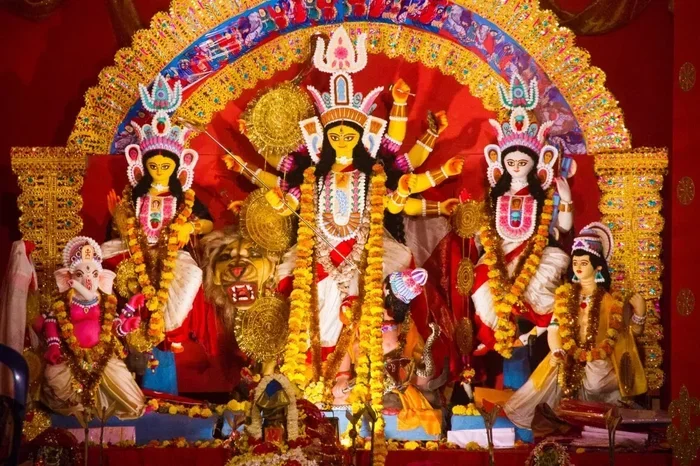
Featured image for West Bengal heritage and culture
Image source: spiritofindia.co.in
West Bengal history and culture offer a rich blend of ancient traditions, colonial influences, and modern creativity. This guide covers key historical events, vibrant festivals, famous cuisine, and artistic heritage. You will discover how this region shaped Indian literature, music, and social reform. Read on to explore the heart of Bengal.
Key Takeaways
- Ancient roots: Bengal has a deep history dating back to ancient civilizations and Buddhist kingdoms.
- Cultural fusion: The region blends indigenous traditions with Persian, European, and colonial influences.
- Literary legacy: Bengal produced Nobel laureates, famous poets, and writers who shaped Indian literature.
- Festive spirit: Major festivals like Durga Puja, Kali Puja, and Poila Boishakh showcase vibrant community life.
- Culinary identity: Rice, fish, sweets, and street food form the core of Bengali food culture.
- Art and music: Rabindra Sangeet, classical music, and traditional arts remain central to daily life.
- Modern relevance: West Bengal continues to influence Indian politics, education, and creative industries.
[FEATURED_IMAGE_PLACEHOLDER]
📑 Table of Contents
- West Bengal History and Culture: A Complete Guide
- The Historical Roots of West Bengal
- Language, Literature, and Intellectual Tradition
- Festivals, Traditions, and Community Life
- Art, Music, Dance, and Performing Traditions
- Food Culture and Everyday Culinary Traditions
- Religion, Spirituality, and Social Harmony
- Modern West Bengal: Identity, Economy, and Creative Life
- Practical Ways to Experience the Culture
- Conclusion
West Bengal History and Culture: A Complete Guide
Welcome to a land of rivers, literature, and lively festivals. West Bengal history and culture shine through every street, temple, and song. You will find a region that values art, food, and community. This guide breaks down the past and present in simple terms. You will learn how history shaped daily life and why culture still matters today.
The state sits on the eastern edge of India. It shares borders with Nepal, Bhutan, Bangladesh, and several Indian states. The Ganges and its branches flow through the land. This river network helped trade, farming, and city growth for centuries. Many people know Kolkata as the capital. Yet the real story goes far beyond one city. Rural villages, hill towns, and coastal areas each add their own flavor.
If you want to understand this region, start with its roots. Then move to its arts, food, festivals, and modern life. You will see how history and culture stay connected. You will also notice how tradition adapts to modern times. Let us walk through the key parts step by step.
The Historical Roots of West Bengal
History here stretches back thousands of years. Ancient kingdoms rose and fell along the river plains. Buddhist and Hindu traditions grew side by side. Later, Islamic rulers brought new architecture and trade links. Each era left marks that people still see today.
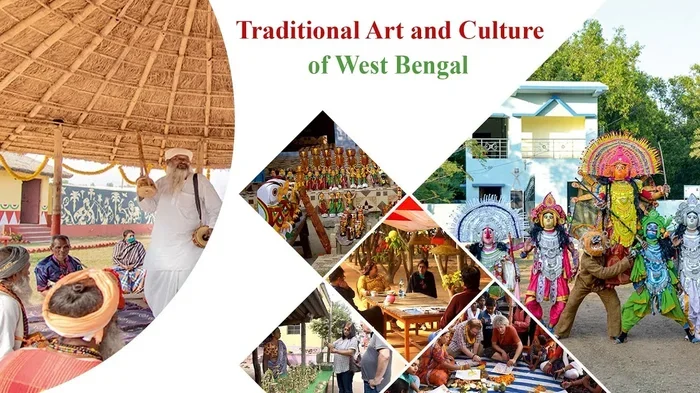
Visual guide about West Bengal heritage and culture
Image source: i.ytimg.com
Early Kingdoms and Ancient Settlements
Early settlements relied on river farming and local trade. The region became part of larger empires at different times. Ancient universities attracted scholars from many places. These centers helped spread learning and religious ideas. You can still find old place names and local legends that point to these early days.
Medieval Era and Regional Powers
The medieval period brought new rulers and new cultural exchanges. Persian words entered local speech. New styles of art and building appeared. Local chiefs and landlords shaped daily life in many areas. This time also saw the growth of regional languages and literature. The mix of traditions created a rich cultural base.
Colonial Influence and Modern Change
Colonial rule changed the region in many ways. New ports, railways, and schools opened doors to wider networks. English education spread fast in cities. Intellectual groups began to question old norms. Social reform movements grew strong. These changes helped shape modern West Bengal history and culture. The colonial era also left behind buildings, archives, and city layouts that people still admire.
Quick Tip
When you visit old neighborhoods, look for colonial arches, old schools, and river-side markets. These spots often tell a layered story.
Language, Literature, and Intellectual Tradition
Language forms the soul of this region. Bengali is more than a tool for communication. It carries poetry, protest, humor, and everyday warmth. Many people feel a strong emotional link to their mother tongue. The language also helped build a shared cultural identity.
A Strong Literary Legacy
Bengali literature covers many genres. You find epic poems, short stories, novels, and plays. Writers often explored family life, social change, and human emotion. Some works became famous across India and beyond. Libraries and book fairs keep this tradition alive. The annual book fair in Kolkata draws huge crowds each year. It shows how deeply people value reading and writing.
Thought Leaders and Social Reform
This region produced many thinkers who pushed for change. They spoke about education, women’s rights, and community progress. Their ideas influenced schools, newspapers, and public debate. You can see this reform spirit in modern classrooms and local activism. The habit of asking questions remains strong.
How Language Shapes Daily Life
People use Bengali in homes, markets, songs, and films. Street signs, labels, and local media keep the language visible. Many families pass down proverbs and folk sayings. These phrases carry wisdom and humor. They also help children learn cultural values early.
Common Mistake
Do not assume the culture is only about old books or city life. Rural storytelling, local theater, and village songs are just as important.
Festivals, Traditions, and Community Life
Festivals bring people together in a big way. They mark seasons, myths, harvests, and family moments. Many celebrations include music, sweets, new clothes, and shared meals. These events help neighbors connect and keep traditions alive.
Major Festivals and Their Meaning
Durga Puja stands out as a major celebration. Families and neighborhoods arrange artistic displays and prayers. The festival ends with processions and immersion rituals. Kali Puja brings another wave of lights and devotion. Poila Boishakh marks the Bengali new year with joy and cultural programs. Smaller local fairs also matter a lot. They often honor regional deities, harvest cycles, or historical events.
Family Rituals and Social Customs
Households follow many small rituals throughout the year. People greet elders with respect. They share food during special occasions. Weddings often include music, laughter, and traditional dishes. These customs build strong family ties. They also teach younger members how to stay connected to their roots.
Community Bonding Through Culture
Cultural groups organize theater, music, and dance events. Schools and clubs often host shows during festivals. Local artisans prepare decorations and handmade items. This shared effort creates a sense of belonging. It also supports small creators and craftspeople.
Expert Insight
Festivals are not just holidays. They act as living classrooms where people learn art, cooperation, and local history.
Art, Music, Dance, and Performing Traditions
Art here is both decorative and expressive. You see it in paintings, pottery, textiles, and stage performances. Music and dance also play a big role in daily life. Many forms blend classical training with local style. This mix keeps the arts fresh and relatable.
Classical and Folk Music
Music ranges from refined classical styles to lively folk tunes. Rabindra Sangeet carries poetic lyrics and gentle melodies. It remains popular across generations. Folk songs often tell stories of rivers, fields, travel, and love. They are easy to sing and easy to remember. Many people learn them from family or neighborhood gatherings.
Dance and Theater Forms
Dance traditions include both classical and regional styles. Some performances use symbolic gestures and storytelling. Others focus on rhythm and energy. Local theater groups stage plays in Bengali. These shows often mix humor, social commentary, and drama. Audiences enjoy the blend of entertainment and meaning.
Visual Arts and Handicrafts
Artisans create paintings, prints, textiles, and decorative items. Many crafts reflect local plants, rivers, and daily scenes. Handmade items often carry a personal touch. Buyers value the craftsmanship as much as the design. Small workshops keep these skills alive in many districts.
Quick Tip
If you want to experience local art, visit small galleries, craft stalls, and community centers. You will often find more authentic work there than in big tourist shops.
Food Culture and Everyday Culinary Traditions
Food is a huge part of the culture. Meals often center on rice, fish, vegetables, and sweets. Cooking styles change by region, season, and family habit. The kitchen is a place of comfort and connection. People often talk about food with warmth and pride.
Everyday Meals and Local Staples
Rice stays at the heart of many meals. Fish appears in both simple and festive dishes. Mustard oil and panch phoron add local flavor. Vegetables, lentils, and leafy greens also matter a lot. Many households cook fresh food daily. They prefer balanced meals that feel light yet satisfying.
Sweets and Festive Treats
Sweets hold a special place. People enjoy them after meals, during festivals, and at gatherings. Many sweets use milk, sugar, coconut, and rice. Some are soft and creamy. Others are firm and rich. Families often buy sweets from local shops or make them at home for special days.
Street Food and Regional Snacks
Street food adds color and energy to daily life. You can find fuchka, kathi rolls, jhal muri, and other snacks in busy areas. These items are quick, affordable, and tasty. They also show how the culture adapts to urban life. Vendors often serve regular customers with familiar styles and flavors.
Common Mistake
Do not treat Bengali food as only sweets or only fish. The real picture includes simple home cooking, seasonal vegetables, snacks, and regional variation.
Religion, Spirituality, and Social Harmony
Spiritual life here is diverse and layered. People follow different paths and celebrate different festivals. Temples, mosques, churches, and community spaces all matter. This variety creates a broad social fabric. Many neighborhoods show long-standing habits of sharing and coexistence.
Temples, Rituals, and Sacred Spaces
Temples appear in towns and villages alike. Some are old and simple. Others are ornate and busy during festivals. People visit for prayer, reflection, and community events. Rituals often include flowers, light, music, and offerings. These practices connect daily life with deeper beliefs.
Shared Traditions Across Communities
Many cultural habits cross community lines. Neighbors often join each other for celebrations. They share food and greetings during special days. Local events may bring different groups together for music, art, or charity. This shared life helps build trust and familiarity.
Spiritual Values in Daily Conduct
People often show care for guests, elders, and neighbors. Hospitality remains important. Many families teach respect through small acts. They also value education, cleanliness, and honesty. These values appear in both rural and urban settings.
Expert Insight
Social harmony works best when people focus on shared routines. Food, festivals, and local markets often do more to unite communities than formal speeches do.
Modern West Bengal: Identity, Economy, and Creative Life
Today, the region balances tradition with modern needs. Cities grow fast, while villages keep older rhythms. Education, business, and creative work all shape daily life. People often mix old customs with new ideas. This blend gives the culture a living feel.
Education and Intellectual Life
Schools and colleges play a big role in shaping identity. Students read widely and take part in debates. Many young people show interest in literature, science, and arts. Public libraries and study groups help keep learning accessible. This habit supports a curious and active society.
Creative Industries and Urban Culture
Cities host film activity, publishing, design, and music scenes. Young creators mix local themes with modern styles. Cafes, theaters, and cultural spaces give people places to meet and share ideas. This energy keeps the culture moving forward. It also helps local talent reach wider audiences.
Rural Life and Regional Diversity
Rural areas maintain strong ties to land, seasons, and local customs. Farming, fishing, and small trades support many families. Village fairs, folk performances, and local dialects add variety. Each area has its own character. That diversity makes the state culturally rich.
Common Mistake
Do not think modern life replaces tradition. In many places, both exist side by side. People may use smartphones and still join old festivals with full enthusiasm.
Practical Ways to Experience the Culture
You do not need a long academic study to feel the culture. Simple habits and local visits can help a lot. A little curiosity goes a long way. Here are some practical ways to explore.
Travel and Local Exploration
Walk through old neighborhoods and river-side markets. Visit local libraries, small museums, and craft shops. Stop at community events when possible. Talk to shopkeepers, artists, and drivers. They often share useful stories and tips.
Food and Festival Participation
Try regional dishes in small local eateries. Ask about seasonal specials and family favorites. Join public festivals when you can. Watch the decorations, listen to the music, and notice how people interact. This gives a real feel for the culture.
Respectful Cultural Engagement
Dress modestly in religious spaces. Ask before taking photos of people or private rituals. Learn a few basic local words. Small gestures of respect make interactions smoother. They also show genuine interest.
Quick Tip
Keep a small notebook while traveling. Write down names of dishes, songs, places, and local phrases. These details help you remember the experience later.
Conclusion
West Bengal history and culture form a layered story of rivers, ideas, art, and community. Ancient roots gave way to new influences, yet local identity stayed strong. Language, literature, festivals, food, and music all help keep the culture alive. Modern life adds energy, but tradition still shapes daily habits. If you explore with curiosity, you will find a place that rewards slow observation and genuine respect. The best way to understand this region is to listen, taste, walk, and join the moments that locals cherish.
Frequently Asked Questions
What is the main cultural identity of West Bengal?
The main cultural identity centers on Bengali language, literature, festivals, food, and artistic traditions. People value education, hospitality, and community celebrations. This mix gives the region a distinct and lively character.
Which festivals are most important in West Bengal?
Durga Puja, Kali Puja, and Poila Boishakh are among the most important festivals. Many people also celebrate smaller local fairs and family rituals. These events bring neighbors together through music, food, and decorations.
Why is Bengali literature so famous?
Bengali literature is famous because it covers poetry, novels, plays, and social thought with strong emotional depth. Many writers explored daily life, human relationships, and reform ideas. Book fairs and libraries also keep this tradition widely loved.
What foods are central to Bengali cuisine?
Rice, fish, vegetables, lentils, and sweets form the core of Bengali cuisine. Mustard oil, panch phoron, and seasonal greens add local flavor. Street snacks and festive sweets also play a big role in daily food culture.
How does history influence modern culture in West Bengal?
History influences modern culture through language, education, architecture, and social reform traditions. Colonial changes, regional kingdoms, and intellectual movements all shaped current habits. People still carry these influences in festivals, arts, and community life.
What is the best way for visitors to experience local culture?
Visitors should walk through local neighborhoods, try regional food, and join public festivals when possible. Respectful conversation with locals also helps. Small observations often reveal more than a rushed tour.