
Stay ahead with the latest updates on Higher Secondary exam schedule and results. This guide covers important dates, result timelines, and practical preparation tips. Whether you are a student or a parent, you will find clear information to navigate the exam season smoothly. Bookmark this page for timely notifications and exam success strategies.
Key Takeaways
- Exam schedules are released early: Boards publish dates well in advance so students can plan their study time.
- Result dates vary by board: Some announce results within weeks, while others take a month or more.
- Online portals are the fastest source: Official websites and SMS alerts give reliable updates without delays.
- Preparation matters more than panic: A steady study plan reduces stress and improves scores.
- Keep documents ready: Admit cards, ID proofs, and stationery should be sorted before exam day.
- Check multiple channels: News outlets, school notices, and board announcements help confirm updates.
- Use support systems: Teachers, peers, and family can help you stay focused during busy weeks.
📑 Table of Contents
Understanding the Higher Secondary Exam Timeline
Every year, students wait for the official exam calendar. The Higher Secondary exam schedule sets the pace for the entire season. Boards release this timeline early so schools and learners can prepare. The calendar usually covers practical exams, theory papers, and gap days for rest.
Why does this matter? A clear timeline helps you plan your revision. You can divide subjects, set weekly goals, and avoid last-minute rush. Parents also benefit because they can arrange support, transport, and study materials on time.
Most boards follow a similar pattern. First, they announce the overall dates. Then they release center details. After that, they share admit card links. Finally, they confirm the result window. Knowing this flow makes the process less stressful.
How the Schedule Is Planned
Education boards plan the calendar with care. They consider school terms, holiday breaks, and practical exam needs. They also leave space between papers so students can revise. This structure helps reduce burnout and keeps performance steady.
The schedule often starts with optional subjects or practicals. Then comes the main theory block. Language papers usually appear early or mid-way. Core subjects follow in a balanced order. This arrangement lets students focus on one area at a time.
Key Dates to Watch
You should track a few important milestones. These dates shape your preparation and peace of mind.
- Calendar release date: The day the board publishes the full schedule.
- Admit card availability: When you can download your entry documents.
- Practical exam window: The period for lab work, projects, or oral tests.
- Theory exam start: The first written paper of the season.
- Result declaration window: The expected range for score release.
Mark these dates on your phone or wall calendar. Set reminders a week before each milestone. This simple habit keeps you organized and calm.
How to Check the Exam Schedule Quickly
Finding the Higher Secondary exam schedule is easy when you know where to look. Most boards use their official websites as the main source. These sites post PDF calendars, notices, and download links. Schools also share printed copies and group messages.

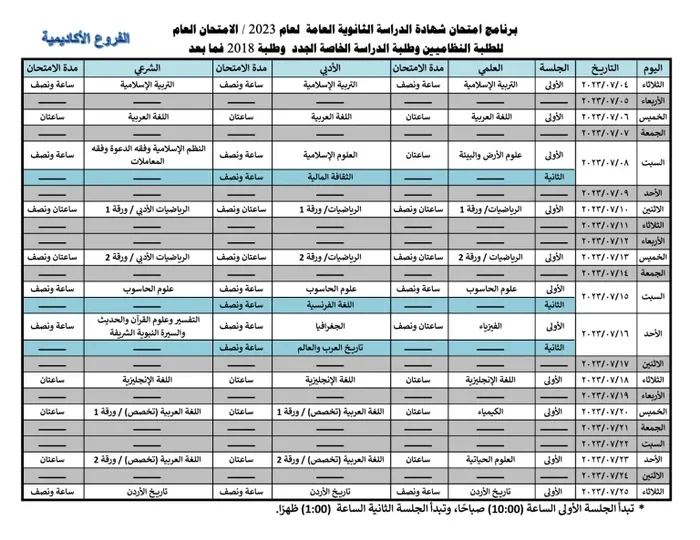
Visual guide about Higher Secondary exam schedule
Image source: image-static.collegedunia.com
Start with the official board portal. Look for a notices or examinations section. Download the schedule and save it in two places. A phone folder and a printed copy work well together. If the site is busy, try early morning or late evening. Traffic is usually lower at those times.
Reliable Sources to Follow
Not every post online is accurate. Use trusted channels to avoid confusion.
- Official board website: The most direct and updated source.
- School notice boards: Teachers often pin latest circulars.
- SMS or email alerts: Many boards offer subscription updates.
- Local education office: They can confirm changes when needed.
Cross-check any date you see on social media. A quick look at the official site saves time and prevents mistakes.
Tips for Staying Updated
Set a simple routine to catch updates fast.
- Visit the official site once a week during the season.
- Keep your phone number and email linked to alert services.
- Ask your teacher about any schedule changes in class.
- Save a screenshot of the calendar in case the site reloads.
These small steps help you stay ready without extra stress.
Result Announcement: What to Expect
After the exams, everyone asks the same question: when will the results come? The Higher Secondary exam results usually follow a fixed pattern. Boards first finalize marks, then verify records, and finally publish the score list. This process takes time, so patience matters.
Results often appear in the morning. Some boards release them on a single day. Others use a phased approach by region or stream. You may also see separate dates for mark sheets and digital scorecards. Understanding this flow helps you plan your next steps.
How Results Are Published
Boards use several channels to share results. The most common method is the online result portal. You enter your roll number and view your score. Many boards also send results to schools, which then inform students. SMS alerts and news announcements add extra support.
Keep your admit card or roll number handy. You may also need your date of birth or registration ID. Save a copy of your result page for future use. Colleges, scholarships, and entrance forms often ask for this proof.
Typical Result Timelines
Timelines can vary, but most boards follow a general range.
- Fast turnaround: Some boards publish results within a few weeks of the last paper.
- Standard window: Many release scores in the next one to two months.
- Extended checks: Re-evaluation or supplementary processes may follow later.
If the date passes without news, check the official site again. Sometimes technical issues delay the upload. A calm follow-up works better than panic.
Smart Preparation During the Exam Season
A good schedule is only useful if you use it well. Smart preparation turns the Higher Secondary exam schedule into a real advantage. Start by breaking your syllabus into small parts. Assign each part to a specific day. Keep some buffer time for review and rest.
Focus on high-weight topics first. Then move to smaller chapters. Mix reading, writing, and practice tests. Writing answers by hand builds speed and confidence. Practice tests show gaps before the real exam does.
Building a Study Plan
A simple plan works best. You do not need a perfect plan. You need a steady one.
- List your papers: Write all subjects and exam dates in order.
- Divide the syllabus: Split each subject into daily targets.
- Add revision blocks: Reserve time to revisit tough topics.
- Include breaks: Short rests keep your mind fresh.
- Track progress: Tick off completed tasks to stay motivated.
Keep the plan flexible. If a topic takes longer, shift the next item. The goal is steady progress, not rigid perfection.
Common Mistakes to Avoid
Many students lose marks to avoidable errors. Watch out for these traps.
- Cramming at the last hour: It raises stress and lowers recall.
- Ignoring weak areas: Small gaps can grow into big problems.
- Skipping sample papers: Practice helps you manage time better.
- Poor sleep before exams: Rest supports focus and memory.
- Forgetting stationery checks: Pens, pencils, and admit cards matter.
Avoid these mistakes by planning early and staying consistent. Small daily efforts beat big last-minute pushes.
After the Results: Next Steps and Opportunities
Once the Higher Secondary exam results arrive, the next phase begins. This stage is about choices, planning, and moving forward. Your scores open doors, but your plan decides where you go. Take a breath, review your options, and act with clarity.
First, check your result carefully. Confirm your subjects, marks, and any grade details. Save a digital copy and a printed copy. Then explore your path. Some students choose college programs. Others look at vocational courses, diplomas, or entrance exams. The right choice depends on your goals, strengths, and interests.
Planning Your Next Move
Use a simple decision process. Start with what you want. Then match it with what you achieved. Finally, check the requirements for your target path.
- Higher studies: Look at college cutoff trends and subject needs.
- Entrance exams: Note application windows and syllabus overlaps.
- Skill-based paths: Explore certificates, internships, or technical courses.
- Gap year options: If needed, plan a productive break with clear goals.
Talk to teachers, mentors, and family members. Their input can help you see options you may miss alone. Keep your options realistic and aligned with your long-term aim.
Handling Delays or Re-evaluation
Sometimes results create questions. A mark may look unexpected. A paper may need a review. In such cases, follow the official process calmly. Read the board notice carefully. Note the application window, fees, and required steps. Keep copies of all submissions.
Use this time wisely. Continue preparing for your next goal while the review is pending. Do not pause your future plans completely. Balance patience with forward action.
Staying Confident and Organized Throughout
Exam season can feel heavy, but organization brings relief. A clear routine reduces worry. You know what to study, when to check updates, and how to handle results. Confidence grows when you control what you can control.
Keep your communication simple. Use one notebook or digital note for schedule updates. Use another for revision notes. Separate your tasks so your mind stays clear. Drink water, walk a little, and sleep well. These basics support your performance more than people expect.
Quick Tips for a Smooth Season
- Check official updates early: Avoid rumor-based panic.
- Keep documents in one folder: Admit card, ID, and pens together.
- Practice under timed conditions: This builds exam-day comfort.
- Review mistakes from mock tests: Learn from small errors now.
- Stay connected with support: Teachers and family can help you reset.
A calm mind learns faster. A steady routine performs better. Trust your preparation and keep moving.
Conclusion
The Higher Secondary exam schedule and Higher Secondary exam results shape one of the most important seasons in a student’s journey. When you understand the timeline, check reliable sources, and prepare with a clear plan, the process becomes much easier. Results matter, but the habits you build during this time matter just as much.
Stay organized. Stay patient. Keep your focus on steady progress, not last-minute pressure. Use official updates, trust your preparation, and take the next step with confidence. With the right approach, you can navigate this season smoothly and move toward your goals with clarity.
Frequently Asked Questions
When will the Higher Secondary exam schedule be released?
Most boards publish the schedule before the academic year ends or at the start of the exam season. Check the official board website and school notices for the exact release date.
Where can I find the official Higher Secondary exam schedule?
The safest place is the board’s official examination page. Schools and SMS alerts also share updates, but the official site remains the most reliable source.
How can I check my Higher Secondary exam results online?
Visit the board’s result portal and enter your roll number or registration details. Keep your admit card handy, and save a copy of the result page for future use.
What should I do if the result date passes without any update?
Refresh the official page and check for technical notices. If the delay continues, follow board announcements or ask your school for confirmation before worrying.
How can I prepare well with the exam schedule in mind?
Use the published dates to build a study plan. Start with early papers, reserve time for revision, and include practice tests to manage speed and stress.
What are the next steps after the Higher Secondary exam results are out?
Review your marks, save your result copy, and explore college, entrance, or skill-based options. Match your goals with the requirements and apply within the right deadlines.