
Planning ahead starts with knowing what the sky will do. A 15 days weather report in my location gives you enough time to book trips, move outdoor events, or pack the right gear. Short forecasts change fast, but a longer outlook helps you spot trends and avoid surprises. Use this guide to read the forecast with confidence and make smarter daily choices.
Weather shapes almost every plan we make. A weekend road trip, a backyard wedding, a farming schedule, or even a simple grocery run can all change with one surprise storm. That is why many people search for a 15 days weather report in my location before making big decisions. A longer outlook gives you more room to adjust, compare options, and avoid costly mistakes.
Short forecasts work well for tomorrow or the next few days. But when you need to plan farther out, a two-week view becomes much more useful. It helps you see whether a rainy stretch is likely, whether heat will build, or whether calm weather is on the way. You still need to treat later days as estimates, yet the bigger picture can guide your choices with confidence.
This guide explains how to read a long-range forecast, what to trust, and how to turn that information into real plans. You will learn how to spot useful patterns, avoid common mistakes, and keep your schedule flexible without feeling overwhelmed.
Key Takeaways
- Long-range forecasts show trends: A 15-day outlook highlights likely patterns rather than exact daily details.
- Check multiple sources: Comparing models improves accuracy and reduces surprise weather shifts.
- Focus on weekly blocks: Group days into early, mid, and late periods for easier planning.
- Watch for sudden changes: Storms and heat waves can appear quickly, so revisit the forecast often.
- Use local data: Nearby sensors and airport stations often give clearer readings than broad regional maps.
- Plan around confidence levels: Higher certainty appears in the first five to seven days, while later days stay more general.
- Prepare for extremes: Pack layers, backup indoor options, and flexible schedules when the outlook looks volatile.
📑 Table of Contents
- Understanding a 15 Days Weather Report in My Location
- Why a 15 Days Weather Report in My Location Matters for Planning
- How to Read a 15 Days Weather Report in My Location With Confidence
- Getting the Most From a 15 Days Weather Report in My Location
- Local Clues That Improve Your 15 Days Weather Report in My Location
- Turning Forecast Trends Into Real Plans
- Final Thoughts on Using a 15 Days Weather Report in My Location
Understanding a 15 Days Weather Report in My Location
A 15 days weather report in my location is not a promise. It is a guided look at likely conditions based on current atmospheric data, ocean temperatures, pressure patterns, and computer models. The first few days usually carry the most weight. After that, the forecast becomes broader and less exact. Even so, the longer view can still help you plan smarter.
How extended forecasts work
Meteorologists use several computer models that simulate the atmosphere. Each model looks at temperature, moisture, wind, and pressure in slightly different ways. When the models agree, confidence rises. When they disagree, forecasters often widen the range of possible outcomes. That is why you may see phrases like partly cloudy, scattered rain, or above-normal temperatures instead of exact numbers.
What the numbers really mean
Extended forecasts often focus on trends. You might see a note that the second week looks warmer than average or that rain chances increase toward the end of the period. These signals matter because they help you prepare for shifts rather than expecting one fixed result. Think of the forecast as a map of likely conditions, not a strict schedule.
Quick Tip: Treat the first week as your main guide and the second week as a planning hint. If the second week shows rain, start thinking about backup options instead of canceling everything right away.
Why a 15 Days Weather Report in My Location Matters for Planning
Longer forecasts matter because real life rarely stays inside a three-day window. Events, travel, deliveries, outdoor work, and family plans often need more lead time. A 15 days weather report in my location helps you make those plans with less guesswork. You can move a picnic, delay a paint job, or schedule a delivery when conditions look better.
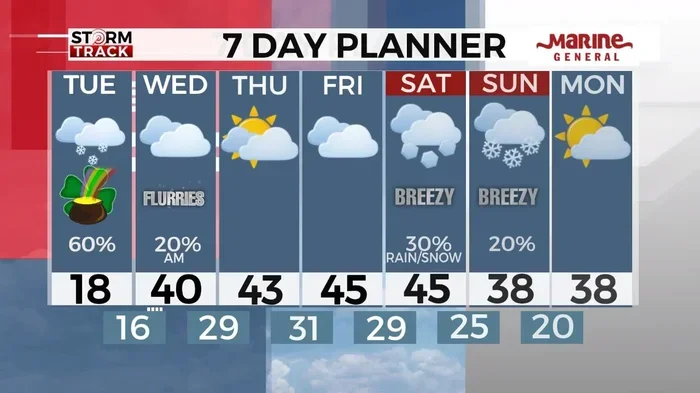
Visual guide about weather forecast planning calendar
Image source: hbi-webftpxfer2.hbi.com
Travel and trips
If you are driving out of town or flying somewhere, a longer outlook helps you choose dates and pack correctly. You may decide to leave earlier if a storm system appears later in the week. You may also pack an extra layer, rain gear, or sunscreen based on the broader trend. Even when the forecast changes, early planning still saves time and stress.
Outdoor events and home projects
Backyard gatherings, farmers market setups, gardening, roofing, painting, and construction all depend on dry windows and comfortable temperatures. A two-week view helps you spot a better stretch of days. It also helps you avoid starting a project right before a wet period arrives. That kind of timing can save money and prevent frustration.
Daily routines and safety
Even simple routines improve when you know what is coming. You may choose to run errands earlier, keep a jacket in the car, or water plants before a hot spell. If the forecast suggests strong wind or heavy rain, you can secure outdoor items and plan around slippery roads. Small adjustments add up to a smoother week.
How to Read a 15 Days Weather Report in My Location With Confidence
Reading a long-range forecast is easier when you know what to focus on. Instead of chasing every small update, look for the bigger signals. Ask yourself whether the week looks wet, dry, hot, cold, calm, or stormy. Then use those general patterns to shape your plans.
Look for patterns, not perfection
A good extended forecast tells a story over time. Maybe the first few days stay mild, then humidity rises, and then a front brings showers. That sequence matters more than a single updated temperature. When you notice a pattern, you can plan around it. For example, you might schedule outdoor work early and save indoor tasks for the wetter stretch.
Pay attention to confidence changes
Some forecast pages show confidence levels or highlight when models agree. Higher agreement usually means the outlook is more reliable. Lower agreement means you should keep options open. If the forecast keeps flipping between sun and rain, that is a sign to stay flexible and watch for updates.
Compare more than one source
Different weather services use different models and methods. One source may show a higher rain chance while another keeps conditions drier. Checking more than one view can help you see the full range of possibilities. If several sources point in the same direction, you can feel more comfortable with your plan.
Common Mistake: Treating day ten or day fifteen as if it were tomorrow. Those later dates are useful for spotting trends, but they should not drive final decisions without a closer look as the date gets nearer.
Getting the Most From a 15 Days Weather Report in My Location
A long-range forecast works best when you use it as a planning tool, not a final answer. The goal is to reduce surprises, not remove all uncertainty. You can get strong value from the report by breaking it into manageable pieces and updating your plans as new information arrives.
Break the forecast into blocks
Instead of staring at fifteen separate days, group them into blocks. For example, look at days one through five, then days six through ten, then days eleven through fifteen. This makes it easier to see shifts. You may notice that the middle block looks wetter or that the final block looks warmer. Block planning is simple and practical.
Match the forecast to your activity level
Not every plan needs the same level of weather certainty. A casual walk has different needs than a wedding, a construction job, or a long drive. Match the importance of the event to the forecast detail. If the event is high stakes, wait for a tighter window of confidence before locking everything in.
Build backup options early
Good planning means having a Plan B before you need it. If you are hosting an outdoor event, think about a tent, indoor space, or a reschedule date. If you are traveling, keep an eye on road conditions and have extra time in your schedule. When you prepare early, weather changes feel less disruptive.
Expert Insight: The best planners use the forecast to reduce risk, not to predict every cloud. A flexible schedule, a few contingency plans, and regular forecast checks usually work better than trying to guess the exact outcome two weeks ahead.
Local Clues That Improve Your 15 Days Weather Report in My Location
National forecasts are helpful, but local details often make the biggest difference. Terrain, lakes, cities, hills, and nearby water can change how a forecast plays out in your area. That is why a 15 days weather report in my location should be paired with local observation whenever possible.
Use nearby weather stations
Local airports, school weather stations, and community sensors can show how conditions are changing on the ground. These sources may catch small shifts before they appear in broader maps. If your area has reliable local data, use it alongside the longer forecast to sharpen your expectations.
Watch your own sky and wind
Your eyes are still one of the best tools you have. Cloud shapes, wind direction, humidity, and air pressure can all offer clues about approaching changes. If the forecast says dry weather but the sky looks increasingly stormy, pay attention. Local signs often help you fine-tune the bigger outlook.
Consider seasonal patterns
Every region has its own habits. Some places get afternoon thunderstorms in warm months. Others see fog in the morning or windy stretches in certain seasons. Knowing your local rhythm helps you interpret the forecast more accurately. A 15 days weather report in my location becomes more useful when you understand what usually happens in your area during that time of year.
Turning Forecast Trends Into Real Plans
Once you understand the outlook, the next step is turning it into action. That means choosing dates, setting reminders, and making practical decisions. A long-range forecast is most valuable when it leads to clear steps instead of endless worrying.
Create a simple planning checklist
Use a short checklist to turn weather trends into decisions:
- Identify the most important dates in your 15 days weather report in my location.
- Mark any high-risk periods, such as likely rain, strong wind, or extreme heat.
- Decide which activities can move and which must stay put.
- Prepare backup options for outdoor plans.
- Set reminders to recheck the forecast as the date gets closer.
- Pack or prepare gear based on the expected range of conditions.
Keep your schedule flexible
Flexibility is the biggest advantage of a longer forecast. If you know a rough stretch may arrive, you can shift work, errands, or travel around it. That flexibility often saves time and reduces stress. The goal is not to control the weather. The goal is to control how you respond to it.
Reheck at the right time
Do not check the forecast twenty times a day. Instead, pick a few good moments to review it. A morning check and an evening check are often enough. If a major system is approaching, you may want one extra update before making final decisions. Regular, calm review works better than constant refreshing.
Key Takeaway: A 15 days weather report in my location works best when you use it to shape options, not to lock in every detail too early. Combine trends, local signs, and backup plans for the strongest results.
Final Thoughts on Using a 15 Days Weather Report in My Location
A longer forecast gives you time to think, adjust, and prepare. It will not tell you every raindrop or breeze, but it can show you the direction things are moving. That direction matters when you are planning trips, events, work, or everyday routines. The more comfortably you read the outlook, the easier it becomes to make good choices.
Remember to focus on patterns, check more than one source, and keep your plans flexible. Use local clues to sharpen what the broader forecast tells you. Then revisit the report as the days get closer and make small adjustments instead of big last-minute changes. With that approach, a 15 days weather report in my location becomes a practical tool you can trust for better planning.
Frequently Asked Questions
How accurate is a 15 days weather report in my location?
A 15 days weather report in my location can show useful trends, but the later days are less exact than the first week. Use it to spot likely patterns, then recheck closer to the date for final decisions.
Can I trust a 15 days weather report in my location for outdoor events?
You can use it for early planning, but you should keep backup options ready. The forecast is best for choosing a rough window, not for locking in every detail too far ahead.
How often should I check a 15 days weather report in my location?
A couple of checks each day is usually enough for most plans. If a big storm or heat wave may affect you, add one extra update before making final choices.
What is the best way to use a 15 days weather report in my location for travel?
Look for broader trends like rain stretches, temperature swings, and wind changes. Then pack for a range of conditions and leave extra time in your schedule.
Why does a 15 days weather report in my location keep changing?
Weather models update as new data comes in, so the outlook can shift over time. Changing forecasts are normal, especially when models disagree or a system is still far away.
Should I rely on one source for a 15 days weather report in my location?
It is smarter to compare more than one source, especially for important plans. If several forecasts point in the same direction, you can feel more comfortable with your decision.