
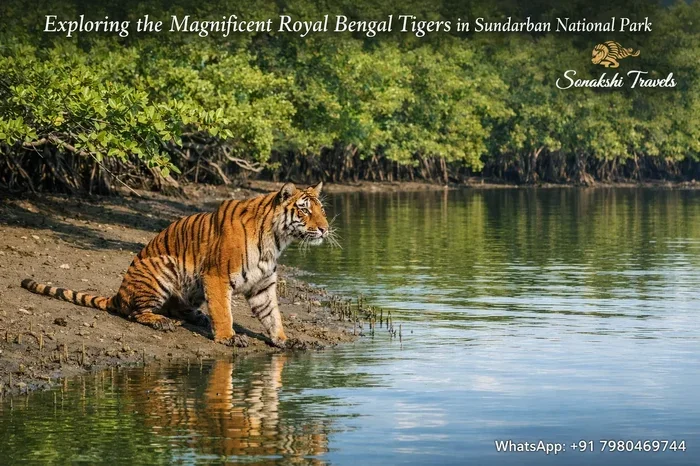
Sundorboner Baghini offers a fascinating look into the life of the Royal Bengal Tiger. This guide covers everything from hunting habits to conservation efforts. You will discover why this majestic predator matters so much. Join us on a journey through the mangrove forests.
Welcome to the wild world of the Sundorboner Baghini. This name speaks to the heart of the Sundarbans. It is a place where land meets water. Here, the Royal Bengal Tiger walks through tall grasses. You might hear a splash before you see the stripes. This guide will walk you through every detail. We will talk about how these cats live. We will also talk about why they need help. Let us dive into the swamp together.
Many people dream of seeing a tiger in the wild. The Sundarbans offer a unique chance. The water flows everywhere here. The soil is soft and muddy. This landscape shapes the tiger completely. You will learn how they hunt in water. You will also learn about their family life. This information helps you understand the big picture. It is not just about one animal. It is about a whole ecosystem.
We must protect these animals for future generations. The Royal Bengal Tiger faces many threats. Poaching is a big problem. Habitat loss is another issue. But there is hope too. Conservationists work hard every day. They use cameras and patrols. They also work with local people. This article gives you the facts. You will feel more connected to nature. Let us start the journey now.
Key Takeaways
- Unique Habitat: The Sundarbans mangrove forest provides a rare home for tigers.
- Apex Predator: The Royal Bengal Tiger rules the food chain here.
- Swimming Skills: These tigers are excellent swimmers compared to others.
- Conservation Status: The species remains endangered despite protection efforts.
- Human Conflict: Living near humans creates unique safety challenges.
- Cultural Icon: The tiger holds deep meaning in local folklore.
- Tourism Value: Eco-tourism helps fund protection programs.
📑 Table of Contents
Understanding the Sundorboner Baghini
The term Sundorboner Baghini refers to the tigress of the Sundarbans. It is a Bengali phrase. People use it with great respect. The Sundarbans is the largest mangrove forest. It spans across India and Bangladesh. This place is wet and salty. Most tigers live in dry forests. But this tiger lives in the water. That makes it very special.
Scientists study this population closely. They want to know how they survive. The Royal Bengal Tiger here is strong. They have adapted to the tides. They swim between islands often. This behavior is rare for tigers. Usually, tigers avoid deep water. Here, water is part of life. The mangrove trees provide cover. The roots hide the prey. The tiger waits patiently. It is a master of ambush.
Physical Characteristics
These tigers are large and powerful. They have thick coats. The stripes help them hide. The orange fur blends with dry leaves. The black stripes break up their shape. This camouflage is vital for hunting. They have strong legs for swimming. Their paws are wide for walking on mud. They can hold their breath for a long time. This helps them cross rivers.
Male tigers are bigger than females. A male can weigh over two hundred kilograms. Females are smaller but very agile. They need speed to catch prey. The Royal Bengal Tiger has sharp claws. They use claws to grip the ground. They also use them to catch fish. Yes, they eat fish sometimes. This is another unique trait. Most tigers eat deer or boar. Here, the diet is diverse.
Habitat and Environment
The environment is harsh and beautiful. Saltwater flows through the roots. The tides change every day. High tide covers the land. Low tide exposes the mud. The tiger must adapt to this rhythm. They rest on high ground. They hunt when the water drops. The Sundorboner Baghini knows every channel. She knows where the deer come to drink.
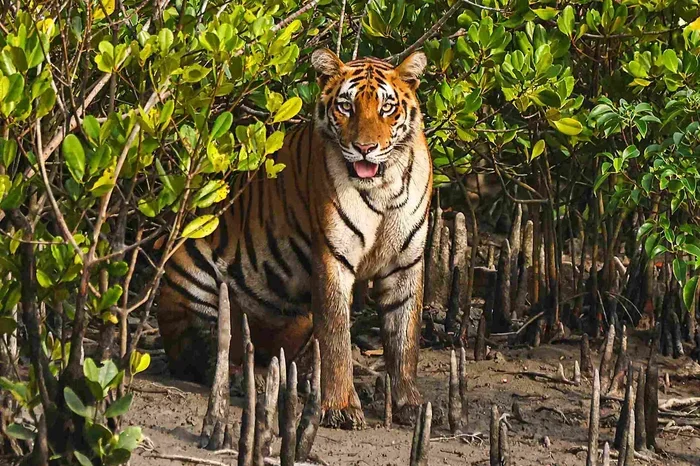
Visual guide about Royal Bengal Tiger Sundorboner Baghini
Image source: pixelspeaks.photography
The mangrove trees are dense. They block the sunlight. The forest floor is dark. This helps the tiger stay hidden. Deer and wild boar live here too. They are the main food source. Sometimes monkeys climb the trees. They are hard to catch. The tiger prefers the ground game. The ecosystem is fragile. One change affects everyone. If the trees die, the tigers leave.
Climate Challenges
The climate is hot and humid. Summer brings intense heat. The water gets very warm. Tigers seek shade during the day. They hunt mostly at night. This avoids the heat and humans. Monsoon season brings heavy rain. The rivers swell up. Hunting becomes harder then. The tiger waits for the water to recede. Patience is a key skill here.
Cyclones are a real threat. Strong winds damage the trees. Flooding can drown small cubs. The mother must protect them. She moves them to safer spots. This shows their resilience. The Royal Bengal Tiger survives nature’s fury. But climate change is speeding up. Sea levels are rising. This shrinks the land further. Conservationists worry about the future.
Hunting and Diet
Hunting in the Sundarbans is tricky. The prey is often near water. Spotted deer come to graze on grass. Wild boar root in the mud. The tiger stalks them quietly. She moves like a ghost. She uses the wind to hide her scent. If the wind blows her smell, the prey runs. She waits for the right moment.
The attack is sudden and fast. She uses her weight to knock prey down. A bite to the neck ends it quickly. This is efficient and clean. She does not waste energy. After the kill, she eats her fill. She might drag the meat to cover. She returns later to finish it. The Sundorboner Baghini is a smart hunter.
Dietary Habits
Meat is the main food. But they are opportunistic eaters. If fish are easy to catch, they eat them. Crabs are also on the menu. This variety helps them survive. Sometimes prey is scarce. Then they must roam far. This increases conflict with humans. They might enter villages for food. This is dangerous for everyone.
Water plays a big role in diet. They drink from freshwater pockets. Saltwater makes them thirsty. They need fresh water to survive. The forest has some sweet water ponds. These spots are vital resources. Many animals gather there. It becomes a hunting ground. The tiger guards these spots well. She does not like sharing.
Conservation and Protection
Protecting the Royal Bengal Tiger is urgent. The population is small and fragile. Poachers want their skins and bones. This illegal trade hurts the species. Rangers work to stop them. They patrol the forest day and night. They use technology too. Cameras take pictures of animals. This helps count the population.
Laws protect the forest strictly. You cannot just walk in there. Permits are needed for entry. Guides must accompany tourists. This reduces human disturbance. The government manages the parks. They remove traps and snares. They also rescue injured animals. Veterinary care is available sometimes. It is a complex operation. Many groups work together.
Community Involvement
Local people live near the forest. They need to coexist with tigers. Safety is a major concern. Tigers sometimes attack livestock. This causes anger among farmers. Programs help compensate for losses. This reduces revenge killings. Education is also key. People learn how to stay safe. They know not to enter the core zone.
Eco-tourism brings money to the area. Guides earn a living from tours. This makes them value the tigers. A live tiger is worth more than a dead one. This economic incentive helps protection. The Sundorboner Baghini becomes a asset. Communities protect what they value. This partnership is crucial for success.
Tourism and Experience
Visiting the Sundarbans is an adventure. You go by boat mostly. The waterways are the roads here. You glide through the quiet creeks. You might see a deer jump. You might see a crocodile sunbathe. Seeing a tiger is rare luck. They hide very well. But the feeling of the place is amazing.
Safety rules are strict for tourists. You must stay in the boat. You cannot swim in the water. This protects you from crocodiles too. You must keep quiet. Loud noises scare the animals. You should not feed any wildlife. This keeps their natural habits intact. Respect the guide at all times. They know the safe zones.
Best Time to Visit
Winter is the best season. The weather is cool and dry. The water levels are lower. Animals come closer to the banks. Visibility is better in winter. Summer is too hot for comfort. Monsoon is risky due to storms. Plan your trip between November and March. This gives the best chance. Book your permits early. Slots fill up very fast.
Pack light and comfortable clothes. Earth tones blend better. Bright colors attract attention. Wear good shoes for mud. Bring binoculars for spotting. A camera is essential for memories. But do not disturb the peace. The Royal Bengal Tiger deserves silence. Your visit should leave no trace. This ensures the forest stays wild.
Common Mistakes to Avoid
Many tourists make simple errors. They try to get too close. This stresses the animal. They make loud noises. This scares away the wildlife. They leave trash behind. This pollutes the water. They feed the monkeys or deer. This makes them dependent on humans. All these actions harm the ecosystem.
Another mistake is ignoring guides. Guides know the danger zones. They know where tigers rest. Ignoring them puts you at risk. Some people try to swim. This is extremely dangerous. Crocodiles live in these waters. Tigers also swim in channels. Stay on the boat always. Respect the rules for your safety.
Expert Insights
Experts say patience is key. You might not see a tiger. But you will see the forest. The beauty is in the details. Listen to the bird calls. Watch the tide come in. Feel the humidity in the air. This connects you to nature. The Sundorboner Baghini is the spirit of this place. Protecting her protects the forest.
Research continues to evolve. Scientists use DNA from scat. This helps identify individual tigers. They track movement patterns. This data guides protection plans. We learn more every year. Technology helps us see the unseen. Camera traps capture rare moments. These images inspire people. They show the tiger is still here. Hope remains for the future.
Final Thoughts
The Sundorboner Baghini represents wild strength. She lives in a unique world. The Sundarbans is a treasure trove. It holds secrets of survival. We must act to save it. Conservation is a shared duty. You can help by spreading awareness. Support organizations that protect tigers. Visit responsibly if you go there.
Every tiger counts in the big picture. Losing one is a big loss. We have the power to change things. Small actions add up over time. Let us keep the stripes alive. Let the Royal Bengal Tiger roam free. The mangrove forests need them. We need them too. Nature is a gift we must guard.
Frequently Asked Questions
Where does the Sundorboner Baghini live?
The Sundorboner Baghini lives in the Sundarbans mangrove forest. This area spans across India and Bangladesh. It is a wet, salty environment with many rivers.
What do Royal Bengal Tigers eat in the Sundarbans?
They primarily eat spotted deer and wild boar. Sometimes they also eat fish and crabs. They are opportunistic hunters in this region.
Are Sundarbans tigers good swimmers?
Yes, they are excellent swimmers. They often swim between islands to hunt. This is a unique trait compared to other tigers.
Is it safe for tourists to visit the Sundarbans?
It is safe if you follow strict rules. You must stay on the boat at all times. Always listen to your local guide for safety.
Why is the Royal Bengal Tiger endangered?
Habitat loss and poaching are the main reasons. Human conflict also poses a threat. Conservation efforts are working to fix this.
When is the best time to see tigers in the Sundarbans?
Winter from November to March is best. The weather is cool and dry. Animals are more visible near the water banks then.