
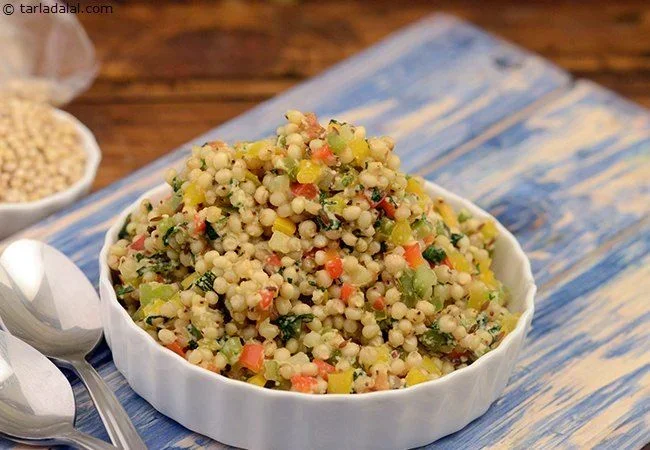
Jowar Bhanta is a beloved traditional recipe that brings together nutritious jowar and fresh vegetable curry flavors. This easy cooking guide will show you how to make this healthy dish at home with simple steps. You will learn about regional cuisine, cooking tips, and why this vegetarian meal is perfect for your daily diet. Let us explore this tasty recipe together.
This is a comprehensive guide about Jowar Bhanta.
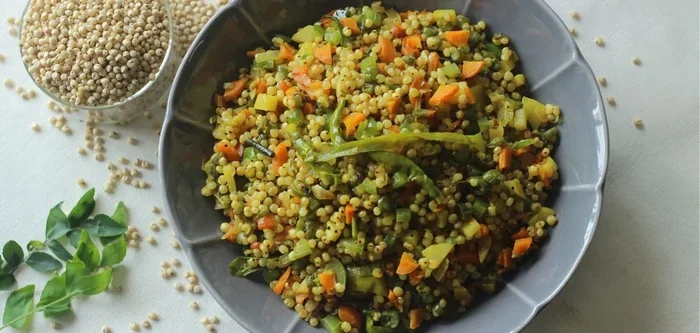
Visual guide about Jowar bhanta healthy dish
Image source: happiesthealth.com
Key Takeaways
- Simple Ingredients: You only need jowar grains, fresh vegetables, and basic spices to make this dish.
- Healthy Choice: This nutritious meal is rich in fiber and fits well into a balanced diet.
- Easy Steps: The cooking process is straightforward and great for beginners.
- Regional Flavor: This Odisha recipe showcases authentic traditional cooking styles.
- Versatile Dish: You can add different seasonal vegetables to customize the flavor profile.
- Time Saving: With proper meal prep, you can cook this quick recipe in under an hour.
- Family Favorite: This comfort food works well for lunch ideas and dinner recipes alike.
[FEATURED_IMAGE_PLACEHOLDER]
What Makes Jowar Bhanta a Healthy Recipe
Food brings us together. It also keeps us strong. Jowar Bhanta is a wonderful example of a meal that does both. This dish comes from the heart of Indian cuisine. It uses simple grains and fresh vegetables. The result is a nutritious meal that feels like comfort food. You do not need fancy tools to make it. You just need a pot, some ingredients, and a little time.
Many people look for healthy recipes that are easy to follow. This dish fits that need perfectly. It is light yet filling. It uses jowar grains that are known for their goodness. These grains bring a mild taste and a soft texture. When you mix them with fresh vegetables, you get a balanced plate. The spices add warmth without overwhelming the flavor. This is why many families love it.
Let us look at why this dish stands out.
Why Jowar Grains Matter
Jowar grains are a staple in many homes. They are rich in fiber. They help you feel full for longer. They also support a steady energy level. This makes them a great choice for a daily diet. You can use them in many ways. In this dish, they soak up the flavors of the vegetable curry. The grains become soft and tasty. They blend well with the rest of the meal.
Fresh Vegetables Add Value
Fresh produce brings color and health to your plate. You can use seasonal vegetables based on what you have. Carrots, peas, beans, and greens all work well. They add vitamins and minerals. They also bring different textures to the dish. Some vegetables stay firm. Others soften and melt into the sauce. This mix keeps every bite interesting. It also makes the dish more satisfying.
Spices Bring the Flavor
You do not need many spices to make this dish shine. A few basic ones are enough. Cumin adds a warm note. Turmeric brings color and care. Mustard seeds give a gentle crunch. These simple additions create a rich flavor profile. They also support the traditional cooking style of the region. The goal is balance. You want the grains and vegetables to stay in focus. The spices should support them, not hide them.
How to Prepare Jowar Bhanta at Home
Cooking should feel calm and fun. This recipe is built for that feeling. You can make it in a single pot. You can also adjust the steps to fit your routine. The key is to keep things simple. Start with clean ingredients. Use fresh water. Keep the heat steady. These small habits make a big difference.
Here is a simple way to approach the cooking process.
Step One: Clean and Soak
Wash the jowar grains well. Remove any dust or loose bits. Then soak them for a short time. This helps them cook evenly. It also saves time on the stove. While the grains soak, you can prep the vegetables. Chop them into small pieces. Keep them ready in a bowl. This makes the next steps smooth and easy.
Step Two: Build the Base
Heat a little oil in your pot. Add the spices you like. Let them sizzle for a moment. This step wakes up the flavors. Then add your chopped vegetables. Stir them gently. Let them soften a little. This creates a tasty base for the dish. It also helps the vegetables blend with the grains later.
Step Three: Cook Together
Add the soaked grains to the pot. Pour in enough water to cover everything. Bring the pot to a gentle boil. Then lower the heat. Let it simmer until the grains are soft. Stir now and then. This prevents sticking. It also helps the flavors mix well. When the water is absorbed and the grains are tender, the dish is ready.
This method is a great example of easy cooking. It does not ask for special skills. It just asks for patience and care. You can taste it along the way. If you want more softness, add a little extra water. If you want a thicker texture, cook it a bit longer. Small changes can match your preference.
Jowar Bhanta and Regional Cuisine
Food tells a story. This dish tells a story of home, land, and tradition. It belongs to a rich food culture that values simple ingredients. The people who made this dish first knew how to use what was available. They turned grains and vegetables into something warm and satisfying. That spirit still lives in the recipe today.
When you cook this dish, you are also learning about regional cuisine. You are seeing how local ingredients can create a strong flavor. You are also seeing how traditional cooking can be practical for modern life. The dish is humble, but it is full of care. It shows that good food does not need to be complex. It just needs good ingredients and a steady hand.
A Taste of Home Cooking
Home cooking has a special feel. It is often soft, familiar, and comforting. This dish fits that feeling well. It is the kind of meal you can serve on a regular day. It is also the kind of meal you can make for guests. It feels welcoming. It feels generous. That is the power of a well-made comfort food dish.
Modern Life and Traditional Roots
We all live busy lives. We still want food that feels real. This recipe helps with that. You can cook it after work. You can also make it on a quiet weekend. It works for lunch ideas and dinner recipes alike. It can be a one-pot meal. It can also be served with a side of yogurt or a simple salad. The flexibility is part of its charm.
Cooking Tips for Better Results
Good results come from small habits. You do not need to be an expert to make this dish well. You just need a few helpful habits. These habits make the cooking smoother. They also improve the final taste. Here are some practical tips you can use right away.
Use the Right Water Ratio
Water matters a lot. Too much water can make the dish soggy. Too little water can leave the grains undercooked. Start with a moderate amount. You can always add more if needed. Watch the pot closely as it simmers. This simple habit helps you avoid common issues.
Keep the Heat Gentle
A strong flame can cause trouble. It may burn the bottom or cook the grains too fast. A gentle heat is better. It gives the dish time to develop. It also keeps the texture even. If you hear loud bubbling, lower the flame a little. Quiet cooking often gives the best result.
Season in Layers
Flavor grows when you build it slowly. Add some spices at the start. Add a little salt when the vegetables soften. Taste before the dish is finished. If it needs more life, add a small adjustment. This approach gives you control. It also helps you match the dish to your own taste.
Common Mistakes to Avoid
Even simple recipes can go wrong if we rush them. This dish is easy, but it still needs attention. Avoiding a few common mistakes will save you time and frustration. It will also help you make a better plate every time.
Overcooking the Grains
If the grains cook too long, they can turn mushy. They may lose their shape. This can make the dish feel heavy. Check the texture early. Stop cooking once the grains are soft but still hold together. This keeps the dish pleasant to eat.
Ignoring the Vegetables
Vegetables should not disappear into the background. They should stay visible and tasty. If you cook them too long, they can lose their color and bite. Add them at the right time. Give them enough heat to soften, but not so much that they fade. This keeps the dish bright and balanced.
Skipping the Taste Test
A taste test is a small step with a big payoff. It tells you if the dish needs salt, water, or a little more spice. Without it, you may miss the chance to fix small issues. Taste before you turn off the stove. Then adjust with confidence.
Jowar Bhanta as a Family Meal
Meals are better when they bring people together. This dish works well for that purpose. It is easy to serve. It is easy to enjoy. It also leaves room for sides and extras. You can serve it with a cool side of curd. You can also add a simple pickle for a stronger taste. These small additions can make the meal feel complete.
This is also a good dish for meal prep. You can make a larger batch and store it safely. It can help you on busy days. It can also reduce stress at mealtime. When you have a warm pot ready, you do not need to start from zero. That is a real advantage for home cooks.
Quick Serving Ideas
Here are a few simple ways to serve the dish.
- Add a spoon of ghee for a richer taste.
- Serve with a fresh cucumber side for crunch.
- Pair it with a mild yogurt bowl for balance.
- Top it with a few toasted seeds for texture.
- Keep it simple for a light and clean plate.
Make It Your Own
One of the best things about this recipe is its flexibility. You can change the vegetables with the season. You can adjust the spices to suit your family. You can make it mild for children or bolder for adults. This makes it a useful recipe to keep in your collection. It can grow with your needs.
Quick Tips for Easy Cooking
If you want this dish to feel effortless, keep these quick tips in mind.
- Prep all ingredients before you start cooking.
- Use a heavy pot to spread heat evenly.
- Keep the lid on during simmering to save time.
- Stir gently to protect the texture.
- Let the dish rest for a few minutes before serving.
These small habits make the kitchen feel calmer. They also help you get a better result with less effort. Cooking should support your day, not stress it. This recipe does that well.
Expert Insights on Traditional Cooking
Experienced cooks often say that simple food needs simple care. That advice fits this dish perfectly. When you use jowar grains and fresh vegetables, you want to let their natural qualities shine. You do not need to force the flavor. You just need to guide it. This is the heart of traditional cooking.
Another helpful idea is to cook with rhythm. Start steady. Stay patient. Finish with care. That rhythm helps you avoid mistakes. It also makes the process more enjoyable. You begin to notice small changes in smell, texture, and color. These signs tell you what the dish needs. Over time, this builds confidence.
You can also think about balance. A good meal is not just about taste. It is also about how it makes you feel. This dish is light enough for many days. It is also satisfying enough to stand on its own. That balance is part of why people keep returning to it.
Conclusion
Jowar Bhanta is more than a simple recipe. It is a warm, practical, and healthy dish that fits into real life. It uses nutritious jowar, fresh vegetables, and gentle spices to create a meal that feels complete. It is easy to prepare, easy to adjust, and easy to enjoy. Whether you need a quick lunch or a calm dinner, this dish can help.
If you have not tried it yet, give it a place in your kitchen. Start with a small batch. Use what you already have. Keep the steps simple. Taste as you go. You may find that this traditional recipe becomes a regular favorite. And once it does, you will see why so many people value this tasty recipe for easy cooking and everyday comfort.
Frequently Asked Questions
What is Jowar Bhanta?
Jowar Bhanta is a traditional Indian dish made with jowar grains and fresh vegetables. It is known as a healthy recipe because it uses simple ingredients and offers a balanced meal.
Is Jowar Bhanta good for a healthy diet?
Yes, it can be a great fit for a balanced diet. The dish is rich in fiber and uses natural ingredients. It works well as a nutritious meal when served in moderate portions.
Can I use different vegetables in this recipe?
Absolutely. You can use seasonal vegetables based on what you like. Carrots, peas, beans, and leafy greens all work well. This makes the dish flexible and easy to customize.
How long does it take to cook Jowar Bhanta?
The cooking time depends on your pot and heat, but it is usually a quick recipe compared with many complex meals. With proper prep, you can make it in a smooth and manageable way.
What spices work best in Jowar Bhanta?
Simple spices like cumin, turmeric, and mustard seeds work very well. They support the flavor profile without overpowering the dish. You can adjust them to match your taste.
Can I make Jowar Bhanta for meal prep?
Yes, this dish is a good option for meal prep. You can cook a larger batch and store it safely for later use. It is convenient for busy days and works well for lunch ideas or dinner recipes.