
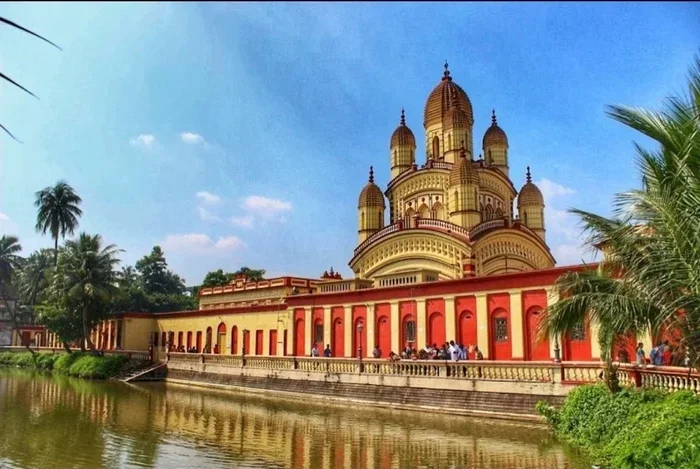
Satipith Kalighat stands as one of Kolkata’s most revered spiritual landmarks. This historic temple draws millions of devotees seeking blessings and peace. Our guide covers everything from ancient legends to modern travel tips. You will learn how to experience this sacred place with respect and joy.
Welcome to a place where faith meets history. Satipith Kalighat draws visitors from every corner of India and beyond. People come here to pray, to learn, and to feel a deeper connection. The temple sits in the heart of Kolkata. It has stood for centuries as a beacon of devotion. Many travelers search for clear, honest information before they visit. This guide gives you exactly that. You will understand the temple’s past, its daily life, and the best ways to explore it. We keep things simple and practical. You will leave with a clear plan and a respectful mindset.
Why does this place matter so much? The answer lies in its deep roots. Ancient stories shape its identity. Local traditions keep its spirit alive. Modern crowds pass through, yet the sacred energy remains. You can feel it in the air. You can see it in the rituals. You can hear it in the chants. This article breaks down every important detail. We cover history, architecture, worship practices, and travel tips. We also share common mistakes to avoid. You will find quick advice and expert insights along the way. Let’s start with the foundation of this sacred site.
Key Takeaways
- Sacred Roots: Satipith Kalighat traces its origins to ancient Hindu mythology and the story of Sati.
- Spiritual Hub: The temple serves as a major center for Shakti worship and daily rituals.
- Historic Architecture: Visitors can admire the unique blend of traditional and colonial design elements.
- Ritual Significance: Animal offerings and prayer ceremonies remain central to temple practices.
- Travel Planning: Early morning visits and guided tours help you avoid crowds and gain deeper insights.
- Cultural Impact: The site influences local art, festivals, and community life in Kolkata.
- Respectful Visit: Dress modestly, follow temple rules, and maintain a calm mindset during your trip.
📑 Table of Contents
- The Ancient Origins Of Satipith Kalighat
- Architecture And Sacred Design Of Satipith Kalighat
- Daily Rituals And Worship Practices At Satipith Kalighat
- Planning Your Visit To Satipith Kalighat
- Cultural Importance And Community Life Around Satipith Kalighat
- Respectful Etiquette And Common Visitor Mistakes
- Key Takeaways For Your Visit
The Ancient Origins Of Satipith Kalighat
Every great temple has a story. Satipith Kalighat traces its roots to old Hindu legends. The story centers on Sati, the consort of Lord Shiva. Ancient texts describe how her divine energy spread across the land. Followers believe that a part of her spirit rests here. This belief gives the site its sacred status. The word “Satipith” itself points to a place of cosmic power. “Kalighat” marks the specific location in Kolkata. Together, they form a name that carries deep meaning.
Historians note that the temple evolved over many years. Early worship likely took place in simple forms. Local devotees gathered to honor the divine feminine. Over time, the site grew in importance. Kings and patrons supported its development. They added structures and funded rituals. The temple became a center for community life. People brought offerings, shared stories, and celebrated festivals. This long history shapes the atmosphere you feel today.
Mythological Stories That Shape The Temple
Ancient tales give the site its spiritual weight. One popular legend speaks of a divine drop of energy that fell here. Another story links the location to a sacred river bend. These narratives are not just old words. They guide how people pray and behave. Devotees often recall these stories before they enter. They help create a sense of reverence. The temple staff also share these accounts with visitors. This practice keeps the tradition alive.
Early Worship And Local Devotion
Long before modern crowds arrived, local families kept the site active. They brought flowers, oil lamps, and simple prayers. They cleaned the area and maintained the sacred space. This grassroots devotion built the temple’s reputation. Neighbors supported each other during festivals. They shared food and sang devotional songs. These small acts created a strong community bond. That bond still exists today.
Quick Tip
Read a short version of the legend before your visit. It will help you understand the symbols and rituals you see.
Architecture And Sacred Design Of Satipith Kalighat
The temple’s look tells its own story. Satipith Kalighat blends traditional Hindu design with later additions. You will notice a strong central shrine. It houses the main deity and draws the eye. The structure uses stone, wood, and metal details. Carvings often show divine figures and floral patterns. These designs are not just decorative. They carry spiritual meaning. They remind visitors of the temple’s purpose.
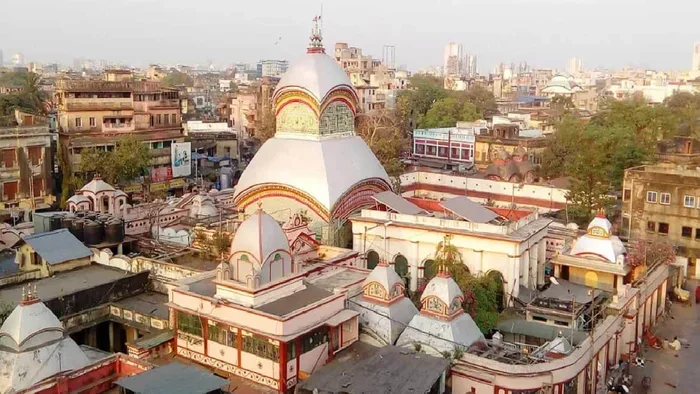
Visual guide about Kalighat temple exterior photograph
Image source: tourmyindia.com
The layout also matters. A clear path leads devotees through different areas. You pass through courtyards and narrow lanes. You hear bells and chants as you move. The flow feels natural and calm. The design encourages slow walking and quiet thought. Even the lighting plays a role. Oil lamps and natural light create a warm glow. This atmosphere helps people focus on prayer.
Key Structural Elements
Several parts stand out during a visit. The main dome catches attention first. The entrance gateway sets a respectful tone. The inner sanctum holds the central idol. The surrounding corridors allow movement during busy hours. Each section serves a clear function. Together, they create a balanced sacred space.
- Main Shrine: The heart of the temple where primary worship occurs.
- Entrance Gate: A welcoming structure that marks the transition into sacred space.
- Courtyards: Open areas where people gather, rest, and prepare for rituals.
- Corridors: Walkways that guide devotees and manage crowd flow.
- Offering Rooms: Spaces where priests handle prayers, flowers, and other items.
How Design Supports Worship
Good temple design does more than look nice. It supports the rhythm of daily worship. Wide paths help large groups move safely. Quiet corners give people room for personal prayer. Clear signs help first-time visitors. The layout also respects ritual order. Devotees enter with clean minds and follow the prescribed path. This structure keeps the experience smooth and meaningful.
Expert Insight
Architects and cultural workers often note that old temples balance beauty and function. The design of Satipith Kalighat reflects that balance. It supports both crowd movement and personal devotion.
Daily Rituals And Worship Practices At Satipith Kalighat
Life here follows a steady rhythm. Satipith Kalighat wakes early and stays active throughout the day. Priests begin with morning prayers. They light lamps, chant mantras, and prepare the shrine. Devotees arrive soon after. They offer flowers, incense, and quiet prayers. Some bring food items for blessings. Others come simply to sit and reflect. The temple handles all of this with care.
The worship style focuses on the divine feminine. Shakti devotion plays a central role. Many visitors seek protection, strength, and peace. They believe the temple answers sincere prayers. The rituals also include music and chanting. These sounds create a meditative mood. Even people who do not share the same faith often feel the calm. The atmosphere invites respect and stillness.
Common Offerings And Prayers
Visitors bring a range of items. Flowers remain the most common choice. Incense adds a gentle scent to the air. Oil lamps symbolize light and clarity. Some people offer sweets or fruits. Priests guide devotees through the proper steps. They explain where to place items and how to pray. This guidance helps newcomers feel comfortable.
- Flowers: A simple sign of devotion and respect.
- Incense: Used to create a peaceful, sacred atmosphere.
- Oil Lamps: Represent light, knowledge, and divine presence.
- Fruits And Sweets: Shared as blessed items after prayers.
- Silent Prayer: A personal moment of reflection and intention.
Special Ceremonies And Festival Days
Certain days bring extra energy. Festival periods draw larger crowds. Special pujas take place on important dates. Music, processions, and community meals may follow. These events celebrate tradition and bring people together. They also require more planning from visitors. Arriving early helps you find space and avoid stress. The temple team usually shares basic schedules with the public.
Common Mistakes
Many visitors rush through rituals without understanding them. Others ignore basic temple etiquette. Take a moment to observe before you act. Follow the lead of local devotees and staff.
Planning Your Visit To Satipith Kalighat
A good visit starts with simple planning. Satipith Kalighat receives many guests each week. That means timing matters. Early mornings usually feel calmer. The light is soft, and the crowd is smaller. You can move at a comfortable pace. Late afternoons also work for some travelers. Choose the time that fits your energy and schedule.
Dress matters too. Modest clothing shows respect. Shoulders and knees should stay covered when possible. Comfortable shoes help because you will walk a lot. Carry a small bag for water and essentials. Keep valuables secure and easy to manage. A clear, simple plan makes the whole trip smoother.
Best Time To Go
Timing changes the experience. Weekdays often feel less crowded than weekends. Festival days bring excitement, but also more people. If you want quiet prayer time, pick a regular weekday morning. If you want to see community energy, choose a special event day. Both options offer value. Just match the day to your goal.
Travel And Local Access
Kolkata offers many ways to reach the area. Public transport works well for most visitors. Taxis and ride services also help. The surrounding neighborhood has shops, food stalls, and rest spots. You can combine your temple visit with a short walk through the local streets. This makes the trip more enjoyable and practical.
- Public Transit: An affordable and common choice for many travelers.
- Ride Services: Useful when you want direct and easy travel.
- Local Walks: A good way to see the neighborhood after your visit.
- Rest Stops: Helpful if you need water, shade, or a short break.
Quick Tips For A Smooth Visit
Small habits make a big difference. Carry cash for small offerings and local purchases. Keep your phone on silent inside the temple area. Ask before taking photos, since rules can vary. Stay patient if lines form. The staff and devotees usually help each other. A calm attitude improves the experience for everyone.
Quick Tip
Write down your main goal before you go. Do you want prayer time, history, or photos? Knowing this helps you plan your pace.
Cultural Importance And Community Life Around Satipith Kalighat
This temple does more than host prayers. Satipith Kalighat shapes the life of its neighborhood. Local vendors sell flowers, incense, and souvenirs nearby. Artisans create images, prints, and crafts inspired by the site. Festivals bring music, food, and shared joy. The temple becomes a meeting point for families and friends. It also supports a sense of identity for the city.
The cultural reach extends beyond religion. Writers, artists, and travelers often mention the site in their work. Its presence appears in stories, paintings, and local memory. People associate it with devotion, resilience, and tradition. That reputation adds to its appeal. It also reminds visitors that the temple is part of a living community. Respectful behavior supports that community.
Local Art And Crafts
The area around the temple has a creative feel. Small shops display religious prints and handmade items. Many pieces show deities, temple motifs, and festival scenes. These items help visitors take a meaningful memory home. They also support local makers. Buying small crafts can be a simple way to engage with the culture.
Festivals And Shared Celebrations
Special days bring people together. Community meals may appear during major events. Volunteers often help with cleaning, guidance, and crowd support. Music and chanting add energy to the space. These moments show how faith and neighborhood life connect. They also give visitors a chance to witness local tradition in action.
Expert Insight
Cultural observers often note that historic temples act like community anchors. They preserve tradition while adapting to modern life. Satipith Kalighat fits that pattern well.
Respectful Etiquette And Common Visitor Mistakes
Good manners matter in sacred spaces. Satipith Kalighat welcomes many kinds of visitors. That welcome works best when people act with care. Simple etiquette keeps the atmosphere peaceful. Speak softly. Move slowly. Follow posted rules. Ask when you are unsure. These habits show respect and make your visit better.
Many mistakes come from haste or ignorance. Some travelers talk loudly in quiet areas. Others take photos without checking permission. Some wear clothing that feels too casual for the setting. A few people rush priests or interrupt rituals. These actions can create tension. Avoiding them is easy when you stay mindful.
Do’s For A Peaceful Visit
Follow a few basic habits. Enter with a calm mindset. Remove shoes where required. Keep your voice low. Use the designated paths. Listen to staff instructions. Offer prayers in an orderly way. These steps help you blend into the flow of the temple.
- Stay Quiet: Keep conversations soft and respectful.
- Follow Directions: Listen to signs and staff guidance.
- Dress Appropriately: Choose modest, comfortable clothing.
- Ask Before Photos: Respect rules about cameras and phones.
- Be Patient: Wait calmly during busy periods.
Don’ts To Avoid Trouble
A few habits cause problems. Do not push through crowds. Do not interrupt active worship. Do not ignore local customs. Do not treat the site like a simple tourist backdrop. The temple is a living sacred space. Treat it that way, and your visit will feel richer.
Common Mistakes
Visitors sometimes focus only on photos and miss the meaning of the place. Others arrive unprepared and feel stressed by crowds. Slow down, observe, and plan ahead.
Key Takeaways For Your Visit
Before you leave, remember the main points. Satipith Kalighat is more than a landmark. It is a historic place of worship, community, and culture. A thoughtful visit starts with preparation. Learn the basic story. Choose a good time. Dress with care. Move with patience. Respect the rituals and the people around you. These simple choices create a better experience.
You do not need to be an expert to appreciate the temple. You only need curiosity and respect. Listen to the sounds. Observe the rituals. Notice the details in the architecture. Let the atmosphere slow you down for a while. That pause is often the most valuable part of the trip. If you share the space kindly, you also support the community that keeps this tradition alive.
Take what you learned and use it on your next trip. Plan early. Stay flexible. Keep your expectations realistic. A sacred visit is not about rushing. It is about presence. When you approach Satipith Kalighat with that mindset, you will leave with more than memories. You will leave with understanding.
Frequently Asked Questions
What is Satipith Kalighat known for?
It is known as a historic temple in Kolkata with deep roots in Hindu tradition. Visitors come for prayer, culture, and spiritual atmosphere.
When is the best time to visit the temple?
Early mornings on weekdays usually feel calmer. Festival days are lively but busier. Choose based on whether you want quiet or energy.
What should I wear to the temple?
Modest clothing works best. Cover your shoulders and knees when possible. Comfortable shoes also help because you will walk a lot.
Can I take photos inside the temple area?
Rules can vary by area and time. Ask staff or observe local practice before taking photos. Always respect restricted spaces.
Are there offerings I should know about?
Flowers, incense, and oil lamps are common. Some visitors bring fruits or sweets. Priests can guide you on proper placement and timing.
How do I stay respectful during my visit?
Speak softly, follow directions, and move patiently. Avoid interrupting rituals. A calm, mindful attitude helps you blend into the sacred space.