
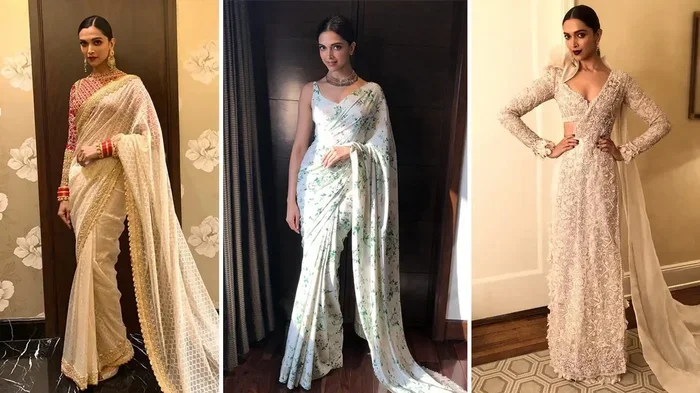
Featured image for how to Deepika Padukone saree drape
Image source: assets.vogue.in
Want to learn how to drape saree like Deepika Padukone? This guide breaks down the process into simple steps that anyone can follow at home. You will find practical styling tips, troubleshooting advice, and easy ways to create a polished, camera-ready look.
Saree draping can feel intimidating at first, especially when you admire a polished celebrity look and wonder how it all comes together. The good news is that with a little patience and the right method, you can recreate a graceful, elegant style at home. In this guide, you will learn how to drape saree like Deepika Padukone in a way that feels manageable, even if you are still practicing.
This tutorial focuses on the basic structure of a clean, modern drape that works well for parties, weddings, events, and photos. You will see how to prepare your outfit, tuck the saree securely, create neat pleats, and arrange the pallu so it sits beautifully over the shoulder. Along the way, you will also find helpful tips for comfort, fit, and common mistakes to avoid.
If you have ever struggled with a saree slipping, twisting, or feeling too complicated, this step-by-step approach can make the process much easier. The goal is not perfection on the first try. The goal is a neat, stylish drape that you can repeat with confidence.
📑 Table of Contents
- Step 1: Gather the Right Saree Draping Essentials
- Step 2: Start With a Clean Tuck at the Waist
- Step 3: Make Neat Pleats Like a Pro
- Step 4: Arrange the Pallu for a Graceful Look
- Step 5: Fine-Tune the Fit and Comfort
- Step 6: Add Simple Styling Details
- Common Troubleshooting Tips
- A Simple Practice Plan for Beginners
- Final Thoughts on Draping With Confidence
Step 1: Gather the Right Saree Draping Essentials
Before you begin, it helps to set up everything you need. A smooth drape starts with the right base layers and a few simple tools.
Choose a Comfortable Petticoat
The petticoat is the foundation of your drape. Make sure it fits snugly around your waist and stays in place when you move. If the petticoat slips, the saree may shift too. A stable waistband makes the whole process easier.
Pick a Blouse That Fits Well
A well-fitted blouse gives your outfit structure and helps the saree look polished. You do not need anything overly elaborate. A simple, comfortable blouse often works best, especially if you are practicing.
Select the Right Saree Length and Fabric
Not every saree behaves the same way. Lighter fabrics may fold easily, while heavier ones can hold shape better but may feel bulkier. If you are learning, start with a saree that feels manageable and not too slippery. The length should allow you to tuck, pleat, and walk comfortably without the hem dragging too much.
Keep Pins and a Mirror Handy
Safety pins are useful for securing the pallu and keeping layers in place. A mirror, or even a phone camera, can help you check the drape from different angles. If you have a friend nearby, they can help you adjust the back or hold the fabric while you try the next step.
Step 2: Start With a Clean Tuck at the Waist
Once your petticoat and blouse are ready, it is time to begin the actual drape. The first step is all about creating a stable base.

Visual guide about how to Deepika Padukone saree drape
Image source: i.pinimg.com
Find Your Natural Waistline
Stand comfortably and locate the spot where you want the saree to sit. For many women, this is around the narrowest part of the torso. The exact placement can vary, so choose a position that feels balanced and comfortable.
Tuck the Saree Securely
Start tucking the top edge of the saree into the petticoat. Keep the fabric smooth as you go, and avoid pulling too tightly. A firm but comfortable tuck helps the saree stay in place while you move around. If the tuck is too loose, the saree may untuck later. If it is too tight, it may feel uncomfortable or create unwanted folds.
Keep the Fabric Even
As you tuck, check that the front of the saree hangs evenly on both sides. This small detail makes a big difference later, especially when you create pleats and arrange the pallu.
Step 3: Make Neat Pleats Like a Pro
Pleats are one of the most recognizable parts of a saree drape, and they also happen to be the part that many beginners worry about most. The key is to take your time and make each fold as even as possible.
Gather the Fabric at the Front
After tucking the saree around the waist, bring the excess fabric forward. Hold it in front of you and start forming the pleats from the tucked edge. Working in a calm, steady way helps the folds stay more uniform.
Create Even Folds
Try to make each pleat the same width. Even pleats do not have to be perfectly identical, but they should look balanced from a distance. Smooth the fabric with your hands as you fold so the pleats lie neatly instead of bunching up.
Secure the Pleats in Place
Once the pleats are formed, tuck them back into the petticoat at the waist. This is where a good fit really matters. If the pleats feel loose, the front of the saree may spread out later. A secure tuck helps the pleats stay centered and clean.
Check the Look From the Side and Back
Step back and look at the drape from different angles. The front pleats should appear organized, and the rest of the saree should fall smoothly. If something looks uneven, adjust the folds before moving on to the pallu.
Step 4: Arrange the Pallu for a Graceful Look
The pallu is what gives the saree its elegant finish. In many popular draping styles, the pallu is brought over one shoulder and arranged in a way that looks soft and intentional.
Bring the Pallu Over the Shoulder
Take the loose end of the saree and drape it over your shoulder. The length and volume of the pallu can vary depending on the look you want. For a cleaner, more modern style, keep it neat and not overly bulky.
Adjust the Fall of the Pallu
Make sure the pallu hangs smoothly and does not feel too tight across the shoulder or arm. If it is too loose, it may slide off. If it is too tight, it may pull the rest of the saree out of place. A balanced fit helps the drape stay comfortable and elegant.
Pin Carefully If Needed
If the pallu keeps slipping, use a safety pin to hold it in place. Pin it in a spot that keeps the fabric secure without creating visible bumps. Be gentle with the fabric, especially if it is delicate.
Create a Natural Drape Line
The best-looking pallu usually falls in a soft, smooth line rather than a stiff, forced shape. Let it rest naturally over the shoulder and torso, then make small adjustments until it looks polished.
Step 5: Fine-Tune the Fit and Comfort
A beautiful drape should also feel comfortable. After the main structure is in place, spend a few minutes checking how the saree feels when you move.
Walk a Few Steps
Take a short walk and notice whether the tuck stays secure and the pleats move with you. If the saree feels tight or restrictive, adjust the fit before you settle into the final look.
Sit and Stand to Test the Drape
Try sitting down and standing up again. This helps you see whether the pleats stay neat and whether the pallu remains in place. If the saree shifts too much, you may need an extra pin or a tighter tuck in one area.
Smooth Out Visible Wrinkles
Small folds and wrinkles can appear while you are adjusting the drape. Gently smooth the fabric with your hands to keep the look clean. This is especially helpful if you plan to wear the saree for an event or photos.
Step 6: Add Simple Styling Details
Once the saree is draped, a few finishing touches can make the overall look feel more complete. You do not need a complicated setup. Often, small details are enough to create a polished appearance.
Keep Jewelry Simple and Balanced
A clean necklace, earrings, or bangles can complement the drape without overwhelming it. If the saree already has a bold look, simpler jewelry may work better. If the saree is more understated, a little sparkle can add charm.
Choose Footwear That Matches the Occasion
Comfortable footwear helps you move confidently. Pick shoes that suit the event and feel stable, especially if you will be standing or walking for a while.
Mind the Posture
A well-draped saree looks even better when you stand tall and relaxed. Good posture helps the fabric fall naturally and makes the overall style look more elegant.
Common Troubleshooting Tips
Even with a good method, small issues can pop up. Here are a few practical fixes that can help.
The Saree Keeps Un tucking
If the tuck keeps loosening, check whether the petticoat is slipping or whether the saree was tucked too loosely. A firmer tuck at the waist and a more secure petticoat can solve this.
The Pleats Look Uneven
Uneven pleats are common when you are learning. Try redoing them slowly, one fold at a time. Smooth the fabric before tucking them back in, and focus on balance rather than perfection.
The Pallu Slips Off the Shoulder
This usually means the drape is too loose or not pinned well enough. Adjust the angle of the pallu, reduce bulk if needed, and use a pin carefully to hold it in place.
The Saree Feels Too Heavy or Tight
If the drape feels uncomfortable, check the tuck and the number of folds. Sometimes reducing bulk or loosening a tight section can make a big difference. Comfort should never be ignored, especially if you will wear the saree for a long time.
A Simple Practice Plan for Beginners
If you are new to saree draping, practice can make the process feel much easier. You do not have to master everything in one attempt.
Try It More Than Once
The first attempt is often just about learning the sequence. The second or third attempt usually feels smoother because your hands start to remember the steps.
Use a Mirror or Record Yourself
Watching yourself while you drape can help you spot uneven folds or a pallu that needs adjustment. A quick video or mirror check can save time and frustration.
Start With a Simpler Setup
If a particular saree feels tricky, practice with a more manageable fabric or a simpler outfit first. Once you understand the basics, you can move on to more detailed styles.
Final Thoughts on Draping With Confidence
Learning how to drape saree like Deepika Padukone is less about copying a perfect celebrity moment and more about understanding the basics of a clean, graceful drape. Once you know how to tuck securely, create balanced pleats, and arrange the pallu comfortably, the process becomes much easier to repeat.
The most helpful approach is to stay patient and keep practicing. Small improvements add up quickly, and each attempt teaches you something new about fit, fabric, and balance. With a little time, you can build a drape that looks elegant, feels comfortable, and works well for the occasions that matter to you.