
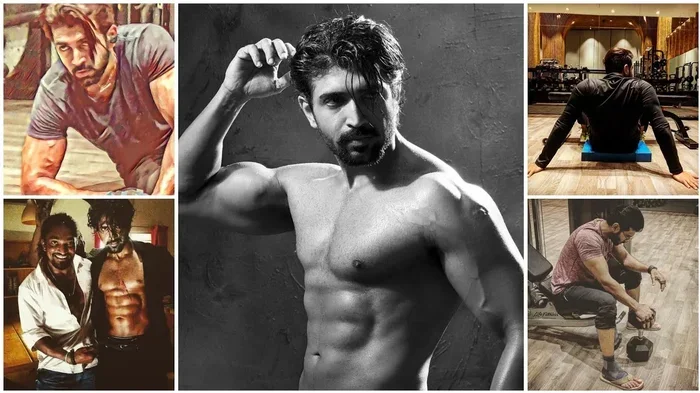
Featured image for how to fit Indian actor workout
Image source: i.ytimg.com
If you want to learn how to build body like Salman Khan, start by focusing on consistency, simple strength training, and clean eating instead of chasing extreme shortcuts. His physique is the result of disciplined workouts, balanced nutrition, and long-term commitment rather than a single secret routine. This guide breaks down practical steps you can follow to improve muscle definition, stamina, and overall fitness in a sustainable way.
Many people search for how to build body like Salman Khan because his on-screen physique looks strong, lean, and athletic. It is easy to see why that style inspires so many fitness beginners. The good news is that you do not need a celebrity budget or a complicated plan to start making real progress. You need a clear plan, steady effort, and a realistic understanding of what fitness actually takes.
In this guide, you will learn how to structure your training, support your body with better nutrition, and recover in a way that helps you stay consistent. The goal is not to promise a perfect copy of any actor’s body. The goal is to help you build a stronger, cleaner, more athletic version of your own body.
📑 Table of Contents
Step 1: Set a Realistic Fitness Goal
Before you start lifting, running, or counting every meal, decide what you actually want. Some people want a leaner waistline. Others want more muscle definition. Some simply want better energy and stamina. If your goal is too vague, it becomes hard to stay motivated.
Define what “body like Salman Khan” means to you
For one person, that phrase may mean a sharper chest and shoulders. For another, it may mean better posture, less body fat, or more athletic movement. Write down the version that matters to you. Keep it specific and measurable. For example, you might aim to train three to four days each week, improve your push-up count, or reduce bloating by eating more whole foods.
Focus on progress, not perfection
Celebrity physiques often look even more impressive on screen because of lighting, styling, and filming schedules. That does not mean you should ignore your own progress. If you stay consistent, small improvements add up. You may notice your clothes fit better, your workouts feel easier, or your posture improves. Those are all signs that your plan is working.
Step 2: Build a Simple Training Routine
You do not need a dozen exercises to get in shape. You need a routine you can repeat without burning out. A good beginner plan should include strength training, some cardio, and enough recovery time to keep moving safely.

Visual guide about how to fit Indian actor workout
Image source: i.ytimg.com
Strength training for a lean, athletic look
If you want a fit, defined physique, strength work is a smart place to start. Focus on basic movements that train multiple muscles at once. These may include:
- Push movements: push-ups, bench presses, overhead presses, or dumbbell presses
- Pull movements: pull-ups, lat pulldowns, rows, or resistance band pulls
- Leg movements: squats, lunges, step-ups, or goblet squats
- Core work: planks, dead bugs, bird dogs, or controlled cable crunches
Start with two to four strength sessions each week. Keep the workouts manageable so you can recover well. If you are new to training, lighter weights and better form are more useful than trying to lift too heavy too soon.
Cardio for stamina and leanness
Cardio can help you stay leaner and improve endurance. It also supports heart health, which matters even if your main goal is appearance. You can choose walking, cycling, swimming, jogging, or interval training. The best option is the one you will actually do regularly.
A simple approach is to add moderate cardio on your non-lifting days or after strength sessions. If you prefer shorter workouts, brief higher-intensity sessions can also fit into a weekly plan. Just make sure cardio does not leave you too tired to train properly.
Mobility and posture work
A fit body looks better when it moves well. Mobility work helps reduce stiffness and supports safer training. Simple mobility habits can include shoulder rolls, hip openers, thoracic spine stretches, and gentle foam rolling. If you sit for long hours, posture work becomes even more important.
Step 3: Train With Consistency, Not Chaos
One of the biggest mistakes people make is changing programs too often. A routine only works if you follow it long enough to see results. That does not mean you can never adjust anything, but it does mean random workouts are usually less effective than a planned schedule.
Choose a schedule you can keep
If you can only train three days a week, build your plan around three days. If you can train five, then five may work. The best schedule is the one that fits your real life. Consistency matters more than intensity in the beginning.
Track your workouts
Write down what you did, how many reps you completed, and how the session felt. Tracking helps you see progress that might otherwise feel invisible. Over time, you can increase weight, reps, or endurance in a controlled way. That gradual progression is one of the most reliable ways to improve your physique.
Avoid training through pain
There is a difference between hard effort and sharp pain. Mild fatigue is normal. Sharp joint pain, stabbing discomfort, or pain that worsens during a movement is a warning sign. If something feels wrong, stop and adjust. It is better to miss one workout than to injure yourself and lose weeks of progress.
Step 4: Eat to Support Muscle and Energy
Training creates the stimulus. Food provides the materials your body uses to recover and adapt. If you want a lean, athletic look, your meals should support both performance and body composition.
Prioritize protein
Protein helps with muscle repair and keeps you fuller between meals. You do not need an extreme high-protein diet, but you should include a reasonable protein source in most meals. Common options include eggs, chicken, fish, dairy, tofu, beans, lentils, and protein shakes if they fit your routine.
Build meals around whole foods
A simple plate can make eating easier without constant counting. Try to include:
- A protein source for recovery and satiety
- Complex carbohydrates for workout energy, such as rice, oats, potatoes, or whole grains
- Vegetables and fruits for fiber, vitamins, and overall health
- Healthy fats in moderation, such as nuts, seeds, olive oil, or avocado
Manage calories based on your goal
If you want to lose fat, you generally need a modest calorie deficit. If you want to build muscle, you usually need enough energy and protein to support training. If you want both at once, progress may be slower but still possible for many beginners. The key is to avoid extreme restriction or overeating. Sustainable habits work better than short-term punishment.
Stay hydrated
Water supports energy, digestion, and workout performance. If you often feel tired or crampy, hydration may be part of the issue. Drink regularly throughout the day, especially if you sweat a lot during exercise.
Step 5: Recover Like It Matters
Recovery is where your body adapts. If you train hard but sleep poorly, eat carelessly, and never rest, progress becomes much harder. Recovery is not lazy. It is part of the process.
Sleep enough
Good sleep helps regulate energy, hunger, and recovery. Aim for a regular sleep schedule and a calming bedtime routine when possible. If your sleep is inconsistent, your workouts and food choices often suffer too.
Use rest days wisely
Rest days do not mean you must stay completely inactive. Light walking, stretching, or easy mobility work can help you recover while staying loose. If you feel overly sore or drained, take the rest seriously and reduce intensity for a day or two.
Manage stress
Stress can affect recovery, motivation, and eating habits. You do not need a perfect stress-free life, but it helps to have a few ways to unwind. Walking, breathing exercises, reading, or simply reducing unnecessary screen time can make a difference.
Step 6: Stay Patient and Adjust Over Time
If you are wondering how to build body like Salman Khan, the honest answer is that it takes time and steady effort. Results rarely appear overnight. Some weeks you will feel strong. Other weeks you may feel stuck. That is normal.
Watch for real signs of progress
Scale weight is only one measure, and it does not tell the full story. Pay attention to:
- How your clothes fit
- Your strength in key exercises
- Your energy during the day
- How quickly you recover after workouts
- Your consistency over weeks and months
Make small adjustments
If progress stalls, do not panic. Review your training, food, sleep, and stress levels. You may need to train a little more consistently, eat a little better, or recover more effectively. Small changes often work better than dramatic overhauls.
Troubleshooting Common Problems
Even a good plan can hit obstacles. Here are a few common issues and practical ways to handle them.
Not seeing changes fast enough
If the scale or mirror is not moving, check consistency first. Many people underestimate how much variety, skipped workouts, or random eating can slow progress. Give your plan enough time before changing everything.
Too sore or too tired
Reduce volume slightly, improve sleep, and make sure you are eating enough. If soreness lasts unusually long or feels severe, lower intensity and focus on recovery.
Not sure what to eat
Keep it simple. Repeat a few meals you enjoy, add protein to each one, and include vegetables and carbs that support your activity level. Complicated meal plans are not required for most people.
Loss of motivation
Motivation often fades when goals feel too big. Shrink the task. Commit to one workout, one walk, or one healthy meal. Momentum usually returns after you start moving again.
Conclusion
If you want to learn how to build body like Salman Khan, the most useful approach is to focus on the habits behind the look, not just the look itself. That means training consistently, eating in a way that supports your goals, sleeping well, and staying patient while your body adapts. You do not need a perfect routine. You need a realistic one you can follow.
Start with simple strength work, add cardio and mobility, and keep your nutrition clean enough to recover well. Track your progress, adjust when needed, and remember that fitness is a long-term project. With steady effort, you can build a stronger, leaner, more athletic body that feels and looks better over time.