
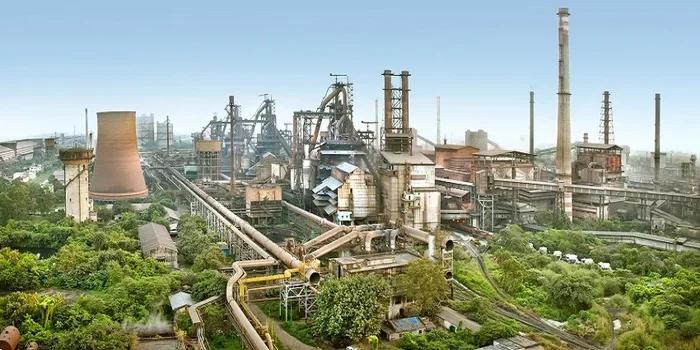
Featured image for Durgapur steel plant industrial
Image source: tripxl.com
Durgapur industries form a vital part of West Bengal industrial growth, drawing investors, workers, and entrepreneurs to the city. This guide explains the major sectors, infrastructure benefits, and emerging opportunities in the region. You will learn how steel, engineering, and manufacturing shape the local economy and what makes the area attractive for business. Read on to understand why this industrial hub continues to expand and how you can benefit from its development.
This is a comprehensive guide about Durgapur industries.
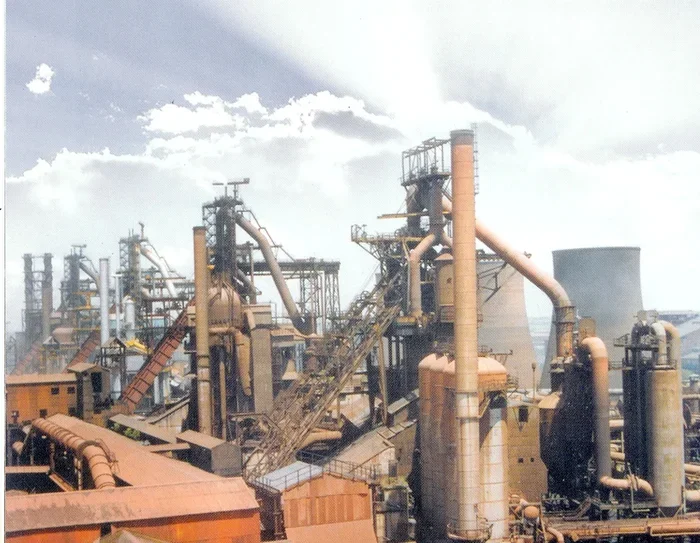
Visual guide about Durgapur steel plant industrial
Image source: photos.wikimapia.org
Key Takeaways
- Industrial heritage: The city grew around heavy industry and still relies on steel, engineering, and manufacturing.
- Strong infrastructure: Good road, rail, and power links help factories and workshops operate efficiently.
- Diverse sectors: Metalwork, chemicals, textiles, and small-scale units create a broad industrial base.
- Job opportunities: Skilled and semi-skilled roles support a large local workforce and migrant labor.
- Growth potential: New projects, upgrades, and policy support can boost output and investment.
- Challenges to watch: Land limits, environmental rules, and skill gaps need careful planning.
- Future outlook: Modernization and cleaner technology can make the region more competitive.
[FEATURED_IMAGE_PLACEHOLDER]
Durgapur industries have long shaped the economic life of this West Bengal city. People know the place for factories, workshops, and steady work. The city sits in a strong location with good transport links and a history of industrial activity. Many visitors and investors ask how the region grew so fast and what keeps it moving. The answer is simple. A mix of heavy industry, small manufacturers, and service providers created a broad base. This base supports jobs, training, and local business.
In this guide, you will learn how the industrial landscape works and why it matters. We will look at the main sectors, the support systems, and the people who keep production running. You will also see where growth is happening and what challenges remain. The goal is to give you a clear picture in plain language. If you plan to invest, work, or simply understand the region, this article will help you move forward with confidence.
Durgapur industries and the roots of industrial growth
The story of Durgapur industries begins with a clear vision. City planners and state leaders wanted a strong industrial center in eastern India. They focused on land, power, and transport. Over time, the area attracted big units and smaller suppliers. The result was a steady rise in output and employment. Today, the city shows how planning and private effort can work together.
Several factors helped this growth. First, the location offers easy access to major routes. Second, power and water supply supported factory operations. Third, a large workforce made it easier to run shifts and expand teams. These points created a strong foundation. Many units started with basic manufacturing and later added value through repair, assembly, and packaging. The city also benefited from nearby towns and villages that supplied labor and raw materials.
This history matters because it explains the current layout. You can still see the old industrial zones alongside newer projects. Some areas focus on heavy work, while others handle lighter goods. This mix gives the region flexibility. It also helps local businesses adapt when market needs change. The long industrial tradition gives the city a practical mindset. People here know how to keep machines running and meet deadlines.
How early planning shaped the city
Early planning gave the city a grid-like feel in many industrial areas. Roads were built to move goods. Warehouses appeared near transport links. Training centers and worker housing followed. This structure made daily operations smoother. It also helped new units settle in with less friction. The old plan still influences the city today.
Why the region kept attracting business
Businesses keep coming for practical reasons. They want reliable links to markets. They want access to skilled hands. They want a place where suppliers and service providers are nearby. The region offers these basics in a compact form. That is a big advantage for small and mid-size units. It also helps larger plants manage support work more easily.
Key sectors in Durgapur industries
The industrial base here is broad. Durgapur industries cover several sectors that support each other. Some units make heavy products, while others handle smaller parts and services. This variety creates stability. When one sector slows down, others can keep the local economy active. The main areas include steel-related work, engineering, manufacturing, and chemical-related production.
Steel and metal work remain central. Many units process metal, make components, or provide fabrication services. Engineering shops produce machinery parts, tools, and equipment. These activities support construction, transport, and other factories. Manufacturing also includes consumer goods, packaging, and assembly work. Chemical-related units handle industrial inputs and processed materials. Each sector adds value in a different way.
Small and medium enterprises play a major role too. They often supply components, offer repair services, or handle finishing work. These businesses keep the supply chain moving. They also create many local jobs. The presence of these smaller units makes the region more resilient. A single large plant may get attention, but the smaller firms often keep daily operations steady.
Steel and metal-based work
Metal work forms a strong pillar in the local economy. Shops and factories cut, shape, weld, and finish parts. Some units focus on structural items, while others make smaller components. This work needs steady hands and good tools. It also depends on reliable power and material supply. The sector supports many related trades, from transport to maintenance.
Engineering and machinery
Engineering units bring a technical edge to the region. They build and fix machines, make parts, and support industrial clients. Many workshops work on tight schedules and custom orders. This requires skill, planning, and quick problem-solving. The engineering base also helps newer projects because experienced teams can handle complex tasks.
Manufacturing and allied services
Manufacturing covers a wide range of goods. Some units assemble products, while others package or refine them. Allied services include storage, transport, and quality checks. These services matter because they keep goods moving and ready for market. A strong service network makes the whole system more efficient.
Infrastructure that supports industrial activity
Good infrastructure gives Durgapur industries a real advantage. Factories need roads, power, water, and storage. They also need links to markets and suppliers. The city has built a practical network over time. This network helps units move raw materials in and finished goods out. It also supports daily commutes for workers and visits from clients.
Transport links matter a lot. Roads connect industrial areas to nearby towns and ports. Rail routes help move heavier loads. These options reduce delays and lower costs. Power supply remains another key factor. Stable electricity helps machines run smoothly and avoids downtime. Water and waste handling also matter for many production processes. When these basics work well, businesses can focus on growth.
The city also benefits from shared facilities and service providers. Warehouses, repair shops, and logistics support are often nearby. This saves time and reduces hassle. Many business owners value this convenience. It makes planning easier and helps smaller units compete. A strong support system can be just as important as the factory floor itself.
Transport and connectivity
Connectivity shapes daily operations. Good roads help trucks move goods on time. Rail options support bulk transport. Local routes also help workers reach plants and workshops. When travel is easier, schedules stay on track. This reliability matters for both small orders and large shipments.
Power, water, and utilities
Utilities keep production steady. Power must stay stable for machines and lighting. Water is needed for cooling, cleaning, and some processes. Waste handling and safety measures also matter. Good utility support reduces interruptions. It also helps units maintain quality and meet work targets.
Jobs, workforce, and skill development
People are the engine behind Durgapur industries. The region employs a wide range of workers. Some handle machine operation and assembly. Others work in supervision, maintenance, and logistics. Many businesses also need skilled technicians and engineers. This mix creates a strong labor pool. It also supports training and steady income for families.
Skill development matters more every year. Machines change, processes improve, and safety rules become stricter. Workers need updates and practice. Training centers, on-the-job learning, and local institutes help close the gap. Employers often prefer candidates who can learn fast and follow procedures. A steady flow of trained people keeps operations smooth and reduces errors.
The workforce also brings variety. Local residents form the core, while migrant workers add extra capacity during busy periods. This blend helps units scale up when demand rises. It also creates a lively labor market. For job seekers, the region offers different paths. For employers, it offers a practical base for hiring and retention.
Roles and career paths
Career options are varied. A person may start with basic machine work and move into supervision. Another may focus on repair and maintenance. Some choose quality control or store management. These paths grow with experience. They also reward reliability and learning. The key is to build skills step by step.
Training and skill building
Training helps both workers and businesses. Short courses, workshop practice, and safety training improve performance. Employers often value practical ability over theory alone. Local training efforts can reduce hiring gaps. They also help workers stay ready for new tools and methods. Continuous learning keeps the workforce strong.
Investment, business opportunities, and challenges
Many people look at Durgapur industries as a place for business and investment. The region offers a ready industrial base, existing suppliers, and a working labor pool. These factors reduce some startup friction. New units can often find space, services, and support without starting from zero. This makes the area appealing for expansion and diversification.
Opportunities exist in several directions. Some investors focus on component making and value-added production. Others look at packaging, storage, or service-based work. Small businesses may enter repair, tooling, or logistics. There is also room for cleaner technology and better efficiency. Upgrading equipment and processes can improve output and reduce waste. That matters for both profit and sustainability.
Challenges remain, and it is wise to plan for them. Land and space can be limited in busy zones. Environmental rules require careful handling of waste and emissions. Skill gaps may slow adoption of newer methods. Competition also pushes businesses to improve quality and cost control. Success often comes from realistic planning, strong operations, and steady attention to compliance.
Where new opportunities are emerging
New opportunities often come from better processes. Units that adopt efficient tools can produce more with less waste. Service businesses can grow by supporting larger plants. Logistics, testing, and maintenance are examples of supportive work. There is also scope for specialized manufacturing that meets specific client needs. The key is to match local strengths with market demand.
Common mistakes to avoid
Many new entrants rush without enough planning. They may ignore transport needs, utility limits, or compliance rules. Others underestimate training and maintenance. These mistakes can cause delays and extra cost. A better approach is to study the local setup, talk to suppliers, and plan for contingencies. Careful steps usually save time later.
Future outlook for industrial growth
The future of Durgapur industries looks steady and practical. Growth will likely come from upgrades, better efficiency, and smart use of resources. Existing strengths give the region a solid starting point. The challenge is to keep improving while managing limits such as space and environmental care. If local actors plan well, the area can remain a useful industrial center.
Technology will play a bigger role. Better machines, tracking tools, and safety systems can improve output. Training will matter more as processes become more advanced. Cleaner practices may also gain importance. These changes can help units stay competitive and reduce operational problems. A forward-looking mindset will be important for both large and small businesses.
Community and workforce development will also shape the path ahead. When people have better skills and safer workplaces, productivity rises. When businesses invest in upkeep and quality, they build trust. That trust helps the whole region. The best future scenario is one where industry, workers, and services grow together in a balanced way.
What to watch in the coming years
Several signs will matter. New projects and expansions will show confidence. Training programs will indicate workforce readiness. Utility upgrades will affect reliability. Compliance and safety improvements will shape long-term stability. Watching these areas can help businesses and job seekers make smart choices.
How to stay prepared
Preparation starts with learning. Business owners should study local needs and service gaps. Workers should build practical skills and stay open to change. Investors should look at both opportunity and risk. A balanced plan usually works better than a rushed one. The region rewards steady effort and smart execution.
Conclusion
Durgapur industries show how a city can build strength through planning, hard work, and variety. The region blends heavy industry, smaller manufacturers, and support services in a way that keeps production moving. Good transport, utility support, and a skilled workforce add to this advantage. At the same time, space limits, environmental care, and skill updates require attention.
If you want to understand the area, think in practical terms. Look at the sectors, the infrastructure, and the people. Notice where value is created and where improvements are possible. Whether you are a job seeker, business owner, or curious reader, the region offers useful lessons. The industrial story here is not just about machines. It is also about coordination, learning, and steady growth.
The best next step is simple. Study the local market, build relevant skills, and plan carefully. When you do that, you can make the most of the opportunities here. Durgapur industries will keep evolving, and those who stay informed will be ready for what comes next.
Question?
What are Durgapur industries known for?
They are known for steel-related work, engineering, manufacturing, and a strong base of small and medium enterprises. The region also has good transport and utility support that helps factories and workshops operate steadily.
Question?
Is Durgapur a good place for industrial investment?
It can be a good choice for businesses that need an existing industrial base, supplier network, and workforce. The area works best for investors who plan carefully and understand local limits such as space and compliance needs.
Question?
Which sectors dominate the local economy?
Metal work, engineering, machinery parts, and manufacturing-related services dominate the local economy. Chemical-related production and allied support services also play a role in the broader industrial setup.
Question?
How important is skill development here?
Skill development is very important because machines, safety rules, and production methods keep improving. Training helps workers perform better and helps businesses reduce errors and downtime.
Question?
What challenges do businesses face?
Common challenges include limited space in busy zones, environmental compliance, utility reliability, and the need for skilled labor. Competition also pushes firms to improve quality and cost control.
Question?
What is the future outlook for industrial growth?
The future looks steady, with growth likely coming from efficiency upgrades, better training, and smarter use of resources. Cleaner technology and improved operations can help the region stay competitive over time.
Frequently Asked Questions
What is Durgapur industries?
Durgapur industries is an important topic with many practical applications.